
Fresh Breath & Gum Care

Fresh Breath & Gum Care

Fresh Breath and Gum Care: An Educational Overview

Understanding oral hygiene factors related to breath odor and gum health.


Fresh breath and gum care are topics frequently discussed in oral hygiene education. These subjects relate to the condition of oral bacteria, saliva balance, and the tissues that surround and support the teeth. In the Philippines, consumer health information and public health communication about oral care may fall under agencies such as the Department of Health (Philippines), the Food and Drug Administration Philippines, and the Department of Trade and Industry (Philippines) for consumer protection matters.

This article provides a neutral overview of how breath odor can occur, the structure and role of gum tissues, and commonly referenced oral hygiene practices discussed in dental education materials.
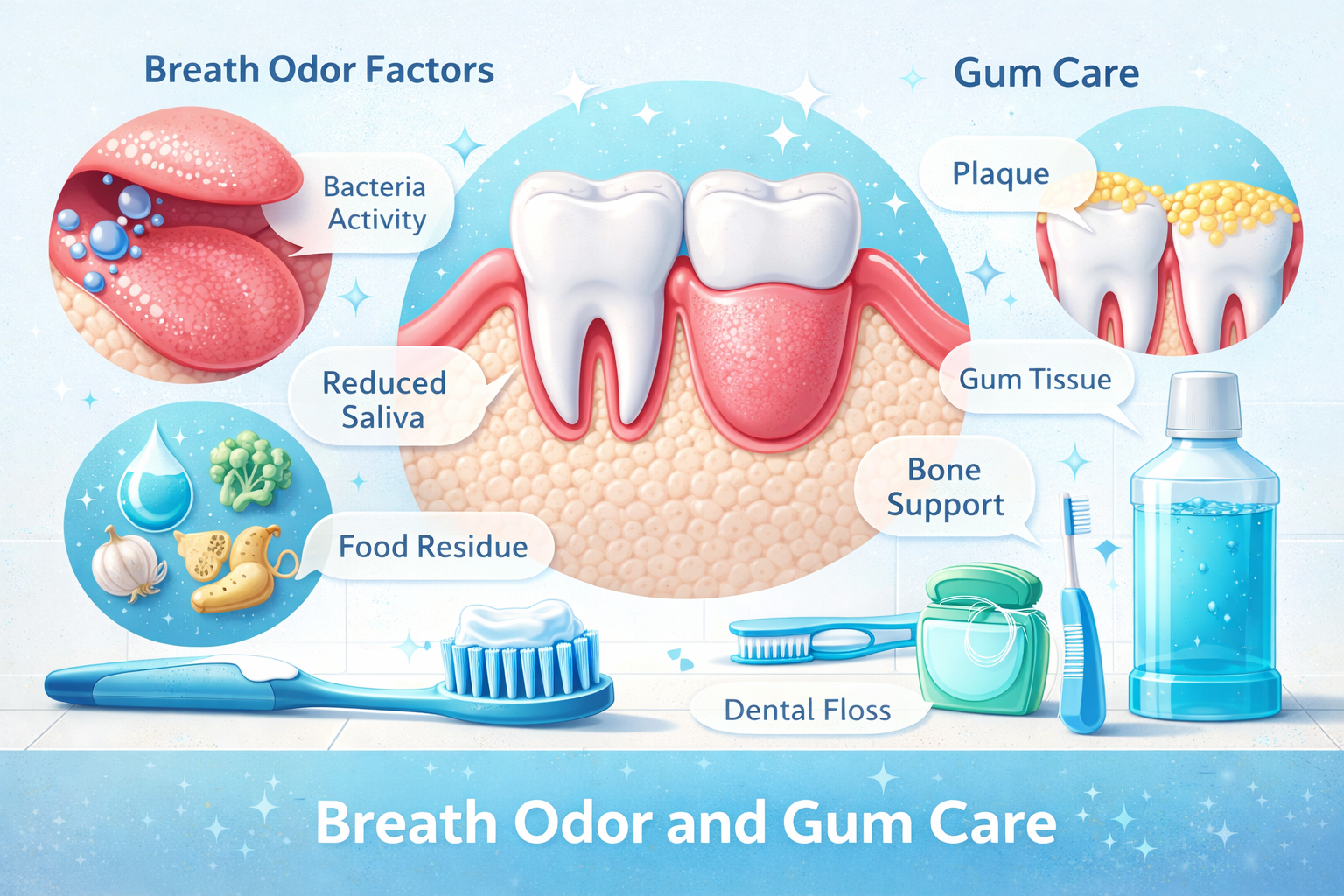


Infographic diagram showing teeth structure, gum areas, and common oral hygiene tools with labeled sections.

Diagram showing oral structures and commonly referenced oral hygiene tools.


Understanding Breath Odor

Breath odor is sometimes described in dental literature as Halitosis, a term used to refer to noticeable odors originating from the mouth. Various factors in the oral environment may contribute to this condition.

Bacterial Activity
Bacteria naturally exist in the mouth. When these microorganisms interact with food particles and organic materials, chemical compounds associated with odor may be produced.

Saliva Flow
Saliva helps rinse the mouth and move food particles toward digestion. Lower saliva levels may allow compounds associated with odor to remain in the mouth for longer periods.

Food Residues
Certain foods contain aromatic compounds that can remain temporarily in the oral cavity after eating.

Tongue Surface Conditions
The tongue contains small structures that can retain bacteria and particles, which may contribute to odor development.

Dental professionals may evaluate these factors during oral examinations when reviewing oral hygiene practices.


The Role of Gum Tissues

The gingiva, commonly referred to as gums, are soft tissues that surround and protect the teeth. These tissues help maintain the connection between teeth and the supporting bone.

In dental education materials, gum care discussions often relate to several structural and environmental aspects:

Plaque Formation
Plaque is a biofilm composed of bacteria and organic material that can accumulate along tooth surfaces and near the gum line.

Gum Tissue Appearance
Dental professionals may observe the color, shape, and texture of gum tissues during routine examinations.

Tooth Support Structures
Gums work together with connective tissue and bone to help stabilize teeth in the jaw.

Regular observation of gum conditions allows dental professionals to document changes in oral tissues over time.


Common Oral Hygiene Practices Discussed in Dental Education

Educational resources on oral hygiene often reference several routine practices associated with oral cleanliness:

Tooth Brushing
Brushing with a toothbrush and toothpaste is commonly used to remove plaque and debris from tooth surfaces.

Interdental Cleaning
Tools such as dental floss or interdental brushes are sometimes used to clean spaces between teeth.

Tongue Cleaning
Some individuals clean the surface of the tongue using a toothbrush or specialized tongue-cleaning tools.

Mouth Rinsing
Mouth rinses are sometimes included in oral hygiene routines. Formulations may vary among manufacturers.

Dental Observation Visits
Dental professionals may perform examinations to observe oral tissues and document changes across visits.

These practices are widely referenced in oral health awareness materials and dental education programs.


Hypothetical Example

In a hypothetical situation, an individual attends periodic dental checkups. During these visits, the dentist observes the condition of the teeth, gums, and tongue surface and records notes about plaque presence or gum appearance. Over time, this documentation allows the dental professional to monitor patterns in oral hygiene conditions.

This example illustrates how observation and recordkeeping are used in dental care settings.


Context and Background

In dental research and public health education, oral hygiene discussions often focus on the interaction between bacteria, saliva, food particles, and oral tissues. These elements are part of the natural oral environment.

Consumer protection and medical communication standards encourage accurate and non-misleading information about dental procedures and oral care topics. Public health resources typically emphasize educational explanations of oral hygiene concepts rather than promotional claims.

Organizations such as the World Health Organization and dental research groups including the International Association for Dental Research publish materials related to oral health awareness and dental science.


FAQ

What is halitosis?
Halitosis is a term used in dental literature to describe noticeable breath odor originating from the mouth. It may involve multiple factors within the oral environment.

What are gums in the mouth?
Gums, also known as gingiva, are soft tissues that surround teeth and help protect the underlying bone structures.

What tools are commonly associated with oral hygiene routines?
Common tools referenced in oral hygiene education include toothbrushes, toothpaste, dental floss, interdental brushes, and mouth rinses.


Trusted Sources

  • Department of Health (Philippines) — Oral Health Program
  • Food and Drug Administration Philippines consumer health advisories
  • World Health Organization oral health resources
  • International Association for Dental Research publications
  • Peer-reviewed dental journals and academic dental textbooks


Disclaimer

This article is for general informational and educational purposes only. It does not constitute professional medical, dental, or consumer purchasing advice. References to procedures, products, or clinics do not imply endorsement or guarantee of results. Readers are encouraged to consult licensed dental professionals and verified resources for oral health decisions.
Exfoliation & Lightweight Hydration

Exfoliation & Lightweight Hydration

Understanding Exfoliation and Lightweight Hydration in Skin Care

An educational overview of two commonly discussed skin care practices and how they relate to basic skin maintenance.

Manila, Philippines — March 13, 2026 


Lead Paragraph

Exfoliation and lightweight hydration are two concepts frequently mentioned in discussions about everyday skin care routines. These practices are generally associated with maintaining skin cleanliness, supporting moisture balance, and helping remove surface debris. Health and consumer protection frameworks in the Philippines, including guidance from the Department of Health Philippines and the Food and Drug Administration Philippines, emphasize responsible product use and clear consumer information when discussing cosmetic products. This article provides a neutral explanation of exfoliation and lightweight hydration within a general skin care context.


Exfoliation: Removing Surface Buildup

Exfoliation refers to the process of removing accumulated material from the outermost layer of the skin. The skin naturally renews itself through a cycle in which older cells move to the surface and gradually shed.

In some skin care routines, exfoliation may involve products or tools designed to assist with this surface removal. Two broad categories are commonly described in dermatology and cosmetic science literature:

Physical exfoliation
This involves the use of textured materials or tools that gently rub the surface of the skin.

Chemical exfoliation
This refers to formulations that contain ingredients designed to loosen the bonds between surface cells.

In educational materials on skin care practices, exfoliation is typically described as an occasional step rather than a constant one. Overuse of exfoliating products or tools may contribute to irritation in some individuals, particularly when skin sensitivity is present.


Lightweight Hydration: Maintaining Moisture Balance

Hydration in skin care refers to maintaining an appropriate level of water content in the outer layers of the skin. Moisturizing products may contain ingredients that support this balance by forming a protective barrier or by helping retain water in the skin surface.

The term lightweight hydration is commonly used to describe moisturizers with thinner textures or lower oil content. These formulations are often designed to absorb quickly and leave minimal residue on the skin surface.

Examples of ingredients sometimes associated with lightweight hydration include:

  • Humectants, which attract water to the skin surface
  • Water-based gels or emulsions
  • Low-viscosity lotions

The exact suitability of any formulation can vary depending on an individual’s skin characteristics and environmental conditions such as humidity and temperature.


How These Practices May Appear in Basic Skin Care Routines

In general educational descriptions of skin care routines, exfoliation and hydration are presented as separate steps that address different aspects of skin maintenance.

A simplified example often discussed in dermatology guides may include:

  1. Cleansing to remove surface dirt and oils
  2. Occasional exfoliation to remove accumulated surface cells
  3. Application of a moisturizer to support hydration

These steps are commonly described in broad educational contexts rather than as fixed routines. Individual skin responses to products or ingredients may vary.


Context: Dermatology and Consumer Awareness

In dermatology and cosmetic science research, skin care routines are typically studied in relation to the skin’s outer barrier, known as the stratum corneum. This barrier helps regulate water retention and protects against environmental exposure.

Consumer protection standards emphasize that cosmetic products should not be marketed with misleading claims about guaranteed cosmetic or health outcomes. Regulatory agencies such as the Food and Drug Administration Philippines monitor product registration and labeling to help ensure that products available in the market provide accurate information about their ingredients and intended cosmetic use.

Educational discussions about exfoliation and hydration therefore focus on general skin maintenance concepts, rather than promises of visible transformation or specific aesthetic outcomes.


FAQ

What is exfoliation in skin care?
Exfoliation refers to the removal of accumulated material from the outermost layer of the skin. It can occur naturally through the skin’s renewal cycle and may also be assisted by certain products or tools.

What does lightweight hydration mean?
Lightweight hydration describes moisturizers that have a thinner texture and absorb quickly. These formulations typically aim to help maintain moisture balance on the skin surface.

Why is hydration discussed in skin care routines?
Hydration is related to the skin’s barrier function and moisture balance. Many skin care discussions include moisturization as a step intended to help support the skin surface.


Trusted Sources

  • Department of Health Philippines — Public health advisories on consumer health and hygiene

  • Food and Drug Administration Philippines — Cosmetic product regulation and consumer safety guidance

  • American Academy of Dermatology — Educational dermatology resources

  • Peer-reviewed dermatology and cosmetic science journals on skin barrier function and hydration

Disclaimer:
This article is for general informational and educational purposes only. It does not constitute professional medical, dermatological, or consumer purchasing advice. References to products, routines, or treatments do not imply endorsement or guarantee of results. Readers are encouraged to consult licensed dermatologists and verified resources for skin care decisions.

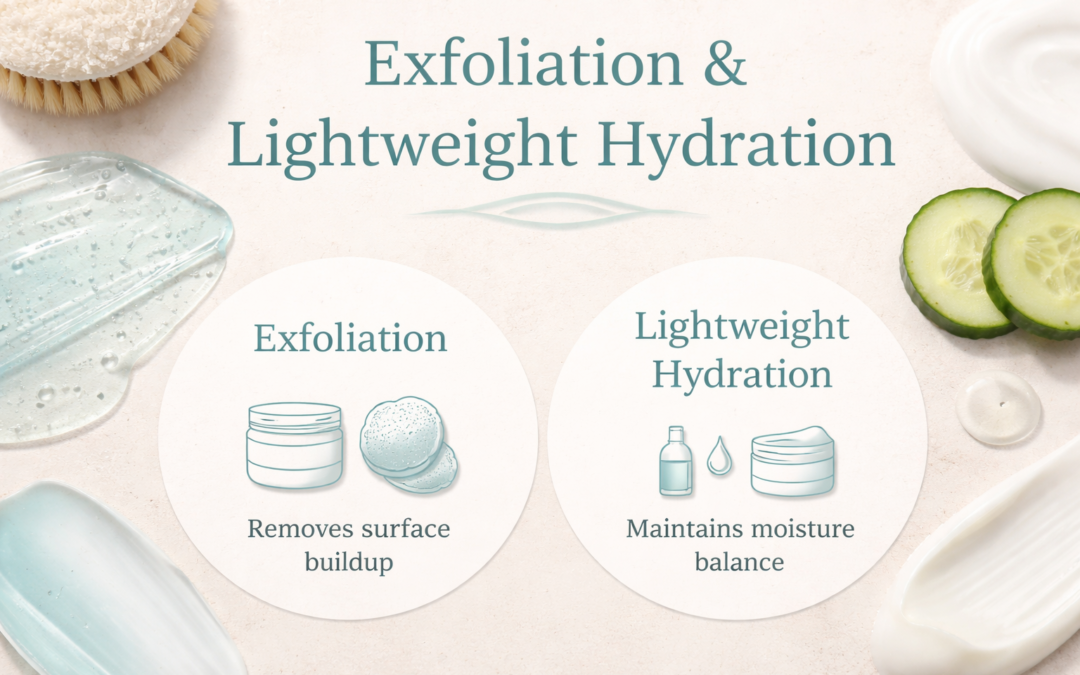
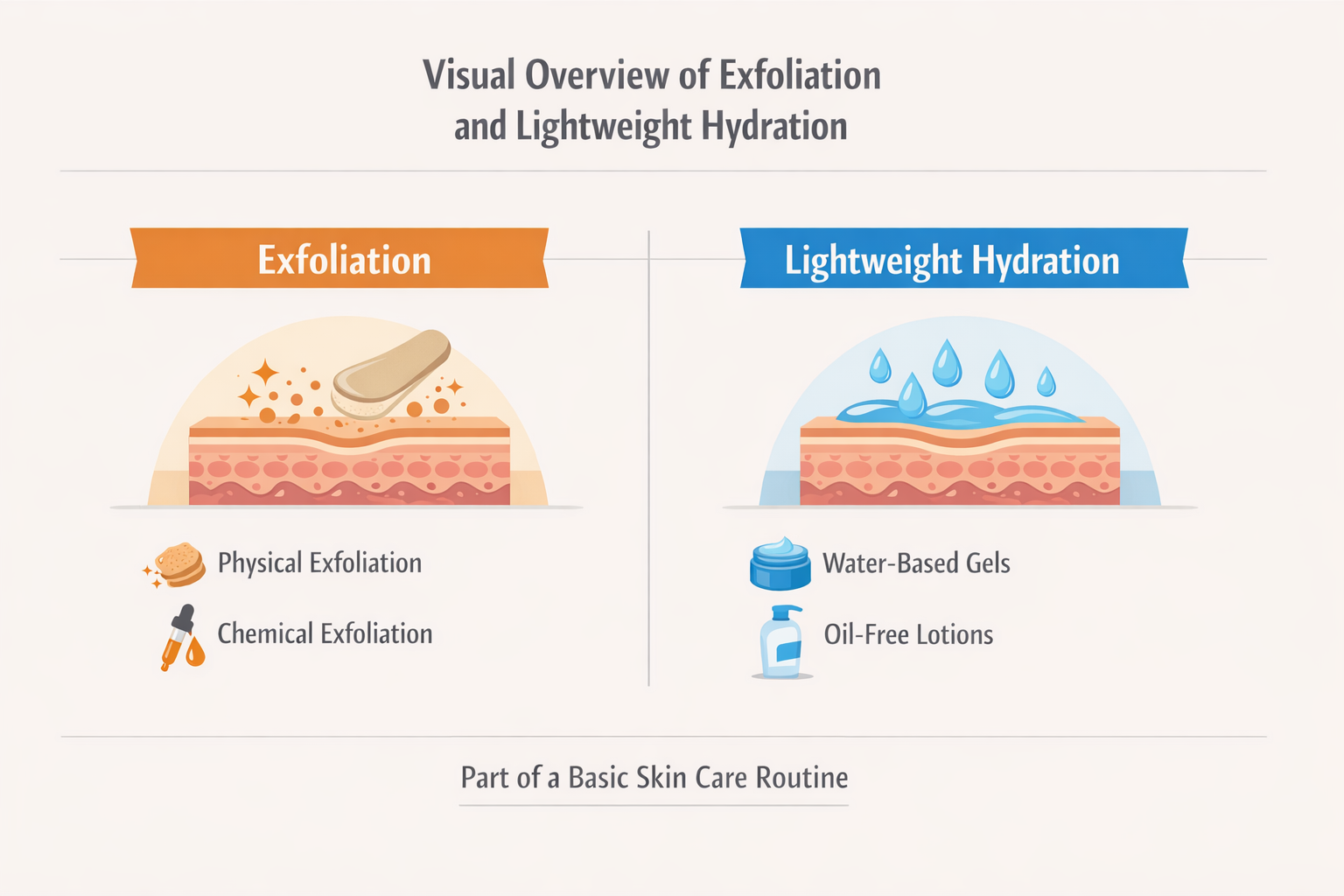
Simple diagram showing two labeled sections representing exfoliation and lightweight hydration within a basic skin care routine layout.

Illustrated layout presenting exfoliation and lightweight hydration as separate skin care routine concepts.

Routes Americas 2026 takeaways

Routes Americas 2026 takeaways

Routes Americas 2026 took place 3–5 March 2026 in Rio de Janeiro, Brazil, bringing together airlines, airports, and tourism authorities to discuss air-service development and route planning across the Americas.

Below are the main industry takeaways reported from conference discussions, airline briefings, and destination meetings.


Key Takeaways from Routes Americas 2026


1. Strong Focus on Expanding Regional and International Connectivity

Airlines, airports, and tourism authorities held thousands of bilateral meetings to negotiate new air routes and capacity increases across North, Central, and South America.

Key drivers discussed:

  • Growing demand for international leisure travel

  • Recovery and expansion of regional air networks

  • New opportunities for secondary airports to attract long-haul flights

These negotiations often form the basis for future route announcements within 12–24 months.

Infographic illustrating airline route planning discussions, airport partnerships, and aviation conference participation statistics from Routes Americas 2026.

Visual summary of topics presented during Routes Americas 2026 industry sessions.


2. Caribbean Destinations Pushing for More Airlift

Several Caribbean territories used the conference to secure airline partnerships and improve connectivity.

For example, the United States Virgin Islands tourism authorities met with major airlines to discuss increasing flights to the territory, aiming to improve access for visitors and support the local tourism economy.

Air service expansion in the Caribbean was widely discussed because many island economies depend heavily on reliable aviation links.

3. Latin America Passenger Growth Driving Network Planning

Data shared during industry discussions highlighted continued passenger growth in Latin America, with regional traffic increasing in recent years.

Implications for airlines and airports include:

  • Increased competition for new routes

  • Expansion of hub strategies in large markets such as Brazil

  • Greater interest in connecting Latin America with North America, Europe, and emerging long-haul markets.

4. Airlines Evaluating Fleet Strategy for Route Expansion

Aircraft range and fleet composition were major topics in airline briefings.

Examples discussed across the industry include:

  • Deployment of longer-range narrowbody aircraft to open thinner international routes.

  • Airlines exploring wide-body aircraft for new long-haul services from emerging hubs.

For instance, GOL Linhas Aéreas announced plans to use wide-body aircraft to launch new long-haul routes from Rio, including services to cities such as New York, Paris, and Lisbon.

5. Collaboration Between Airlines, Airports, and Tourism Authorities

A central theme of the event was cross-industry collaboration.

Conference panels explored:

  • Joint airline–destination marketing strategies

  • Tourism-driven route development

  • Regional partnerships to strengthen sustainable air connectivity.

This approach reflects a broader industry trend where air service development is increasingly coordinated between multiple stakeholders, rather than airlines acting alone.

6. Airports Competing to Attract New Routes

Airports across the Americas used the event to present route proposals to airline network planners.

The Routes Americas Awards, held during the conference, recognized airports and destinations for effective route development strategies.

This competition highlights how airports now invest heavily in:

  • market research

  • incentive frameworks

  • airline partnerships.

Summary

Major takeaways from Routes Americas 2026 include:

  • Continued expansion of air connectivity across the Americas

  • Strong demand for Caribbean and tourism-driven routes

  • Latin American passenger growth influencing airline network strategies

  • Fleet modernization enabling new long-haul and “thin” routes

  • Increasing collaboration between airlines, airports, and tourism authorities.

The conference reinforced the role of route development forums in shaping future airline networks across the Americas region.