by Ramil Villar | Mar 15, 2026 | Beauty & Cosmetics
Soft Pastel Eyes and Minimal Eyeliner: An Informational Overview of a Common Eye Makeup Style
A neutral explanation of how light eye shadow colors and subtle eyeliner techniques are used in cosmetic eye makeup.
Soft pastel eyes paired with minimal eyeliner is a cosmetic makeup style commonly described in beauty tutorials and fashion media. The approach generally involves the use of light-toned eye shadow colors and subtle eyeliner application. This article explains the basic characteristics of the style, the cosmetic products typically involved, and general considerations related to eye-area hygiene and product use.
What Are Pastel Eye Colors?
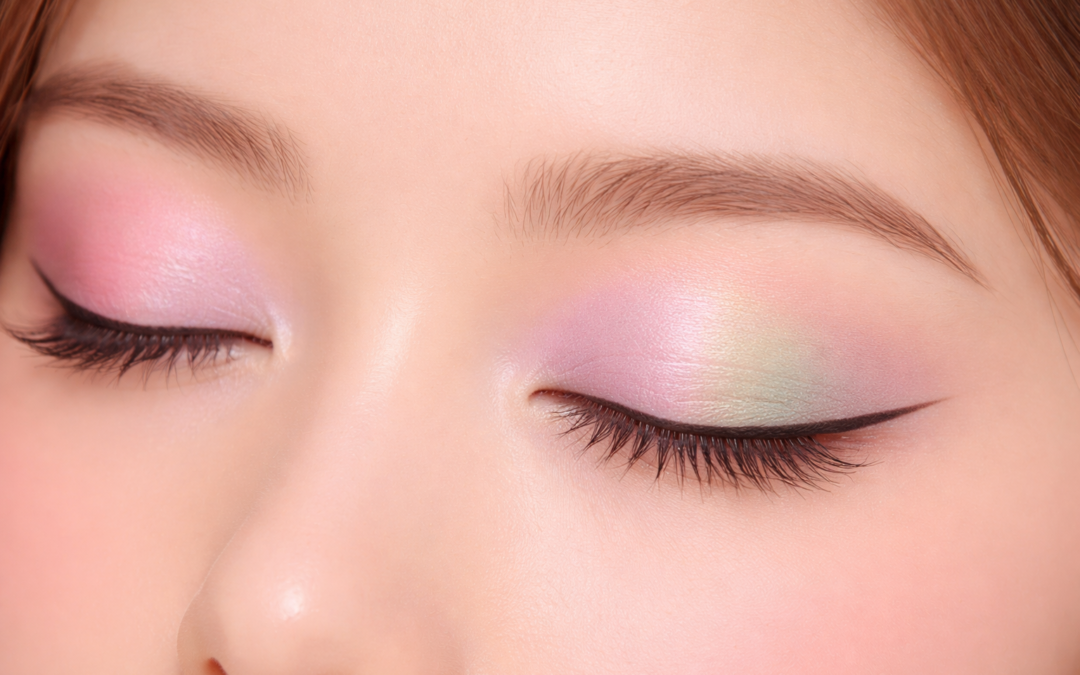
Pastel colors are light, low-saturation shades that appear soft rather than bold. In cosmetic eye shadow products, pastel tones may include:
- Light pink
- Lavender
- Mint green
- Pale blue
- Peach
- Soft yellow
These colors are commonly used to create a gentle color effect around the eyelids. Cosmetic formulations may come in powder, cream, or liquid forms depending on the product design.
What Is Minimal Eyeliner?
Minimal eyeliner refers to a restrained use of eyeliner products along the lash line. The application often focuses on subtle definition rather than dramatic lines.
Examples of minimal eyeliner techniques include:
- A thin line along the upper lash line
- Short strokes placed between lashes
- Lightly blended eyeliner for a softer edge
Eyeliner products may be available as pencils, liquid pens, gel formulas, or powders.
Cosmetic Products Commonly Used
A typical pastel eye makeup routine may involve several cosmetic items:
- Eye shadow palette containing light or pastel shades
- Eyeliner product for light lash line definition
- Mascara applied to the eyelashes
- Eye primer designed to help eye shadow adhere to the eyelid
Product ingredients and formulas vary by manufacturer.
Hygiene and Eye Safety Considerations
The eye area contains sensitive skin and structures such as the eyelids, tear film, and eyelashes. Basic hygiene practices are commonly discussed in dermatology and ophthalmology contexts.
General safety considerations often include:
- Using clean brushes or applicators
- Avoiding the use of expired cosmetic products
- Removing makeup before sleep
- Discontinuing product use if irritation occurs
Eye irritation may occur for various reasons, including allergies, product sensitivity, or contamination.
Hypothetical Example
In a hypothetical situation, a person preparing for a social event may apply a light lavender eye shadow across the eyelid and draw a thin eyeliner line along the upper lash line. The cosmetic choices may be influenced by personal preference, cultural trends, or aesthetic experimentation.
Context Section
In cosmetic science and dermatology discussions, eye-area products are often evaluated for safety, ingredient composition, and potential irritation risks. Regulatory authorities in many countries monitor cosmetic labeling and safety standards.
Under consumer protection frameworks, cosmetic marketing materials are expected to avoid misleading claims regarding health outcomes or physical transformation.
Routine eye-area cosmetic use is generally discussed alongside hygiene practices, ingredient awareness, and product expiration monitoring.
FAQ
What are pastel eye shadows?
Pastel eye shadows are cosmetic pigments with light, soft color tones. They are often used in makeup styles that emphasize gentle color around the eyelids.
What does minimal eyeliner mean?
Minimal eyeliner refers to a subtle application of eyeliner products along the lash line. The goal is typically light definition rather than bold lines.
Why is eye makeup hygiene discussed in eye care contexts?
The eyelids and surrounding skin are sensitive areas. Hygiene practices such as cleaning applicators and removing makeup are commonly discussed to reduce irritation or contamination risks.
Trusted Sources
- Philippine Department of Health (DOH) health advisories
- U.S. Food and Drug Administration (FDA) – Cosmetic safety guidance
- American Academy of Ophthalmology educational resources
- Peer-reviewed dermatology and ophthalmology journals
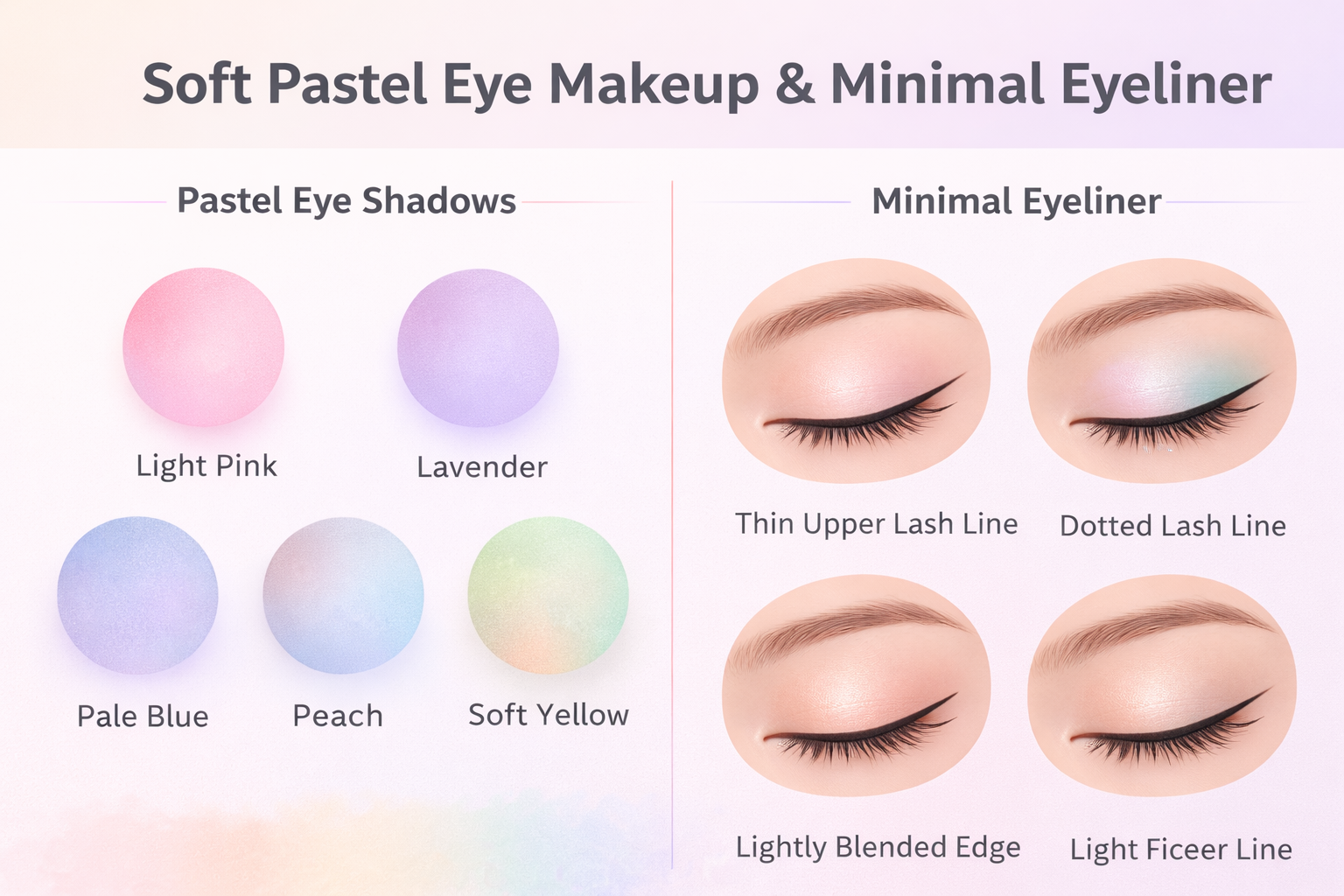
Graphic illustration presenting pastel eye shadow colors and thin eyeliner line styles.
Disclaimer
This article is for general informational and educational purposes only. It does not constitute professional medical, ophthalmological, or consumer purchasing advice. References to procedures, products, or clinics do not imply endorsement or guarantee of results. Readers are encouraged to consult licensed eye care professionals and verified resources for vision health decisions.
by Ramil Villar | Mar 14, 2026 | Beauty & Cosmetics
Soft Pastel Eyes and Minimal Eyeliner: An Informational Overview of a Light Eye Makeup Style
A neutral explanation of a makeup approach that uses soft color tones and subtle eyeliner placement around the eyes.
Soft pastel eye makeup and minimal eyeliner are commonly discussed in beauty and cosmetic education. The style typically uses light-toned eyeshadow shades and a subtle eyeliner line near the lash area. This article explains the general characteristics of the approach and basic considerations related to eye comfort, hygiene, and safe cosmetic use.
What Are Soft Pastel Eye Colors?
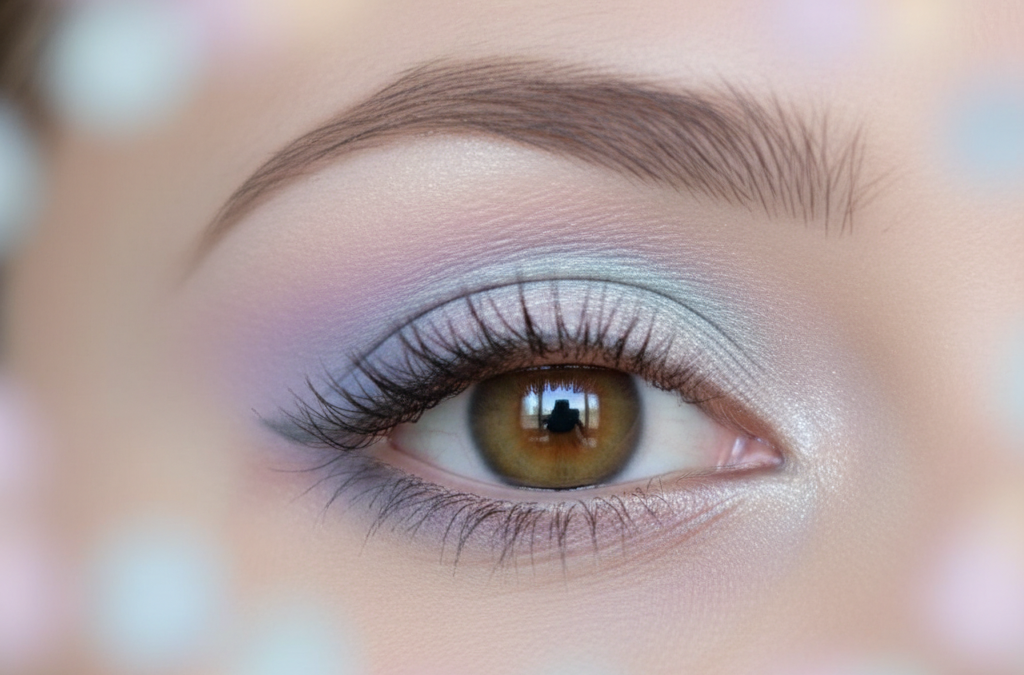
Soft pastel eye colors refer to light, muted shades of eyeshadow. These colors are often described as pale versions of standard hues. Examples include light pink, lavender, peach, mint, or soft blue.
In cosmetic practice, these tones are usually applied in thin layers on the eyelids to create a gentle color effect. Application methods vary and may involve brushes, applicators, or fingertips depending on the cosmetic product instructions.
What Is Minimal Eyeliner?
Minimal eyeliner generally refers to a thin or lightly applied line placed close to the eyelashes. The line may follow the natural contour of the eyelid.
Some individuals apply eyeliner only to the upper lash line, while others apply a small amount to the outer corner of the eye. The exact technique depends on personal preference and product instructions.
Common Cosmetic Tools Used
Several types of cosmetic products may be used when creating pastel eye looks:
- Powder or cream eyeshadow
- Eyeliner pencils or liquid liners
- Blending brushes or applicators
- Makeup remover products designed for eye areas
Cosmetic products intended for use around the eyes are typically labeled as eye-safe by the manufacturer and regulated under consumer product standards. In the Philippines, cosmetics fall under the oversight of the Food and Drug Administration (FDA Philippines).
Eye Comfort and Hygiene Considerations
When using cosmetics near the eyes, hygiene and product safety are important considerations. Basic practices commonly recommended in cosmetic safety guidance include:
- Avoiding the use of expired cosmetic products
- Cleaning brushes and applicators regularly
- Removing eye makeup before sleeping
- Avoiding sharing eye makeup products with others
These steps help reduce potential contamination of products that come into contact with sensitive eye areas.
Hypothetical Example for Understanding
A hypothetical user preparing for a casual event may apply a light peach eyeshadow across the eyelid and draw a thin eyeliner line close to the upper lash line. The approach focuses on subtle color and minimal liner thickness. Different users may adapt the style based on personal preference or cosmetic instructions.
Context Section
In cosmetic and dermatology discussions, the eye area is often described as sensitive because the skin around the eyelids is thinner than many other parts of the body. As a result, safety guidelines for eye cosmetics emphasize product labeling, hygiene, and proper removal.
Under consumer protection and cosmetic regulation standards, including oversight by the Department of Health (DOH) and FDA Philippines, cosmetic products sold in the country must comply with safety notification and labeling requirements. These regulations are intended to help consumers identify products designed for safe use.
FAQ
What are pastel eyeshadow shades?
Pastel shades are light, low-intensity versions of common colors such as pink, blue, or lavender. In cosmetics, they are typically used to create soft color effects on the eyelids.
What does minimal eyeliner mean?
Minimal eyeliner refers to a thin or subtle eyeliner application placed near the lash line. The amount and placement can vary based on personal preference.
Why is hygiene important when using eye cosmetics?
Eye cosmetics come into contact with areas close to the eyes. Cleaning tools, avoiding expired products, and removing makeup properly may help reduce contamination risks.
Trusted Sources
- Philippine Food and Drug Administration (FDA Philippines) — Cosmetic product safety and notification guidelines
- Department of Health (DOH Philippines) — Consumer health advisories
- American Academy of Ophthalmology (AAO) — Eye health and cosmetic safety resources
- Peer-reviewed ophthalmology and dermatology journals discussing eye area hygiene and cosmetic use
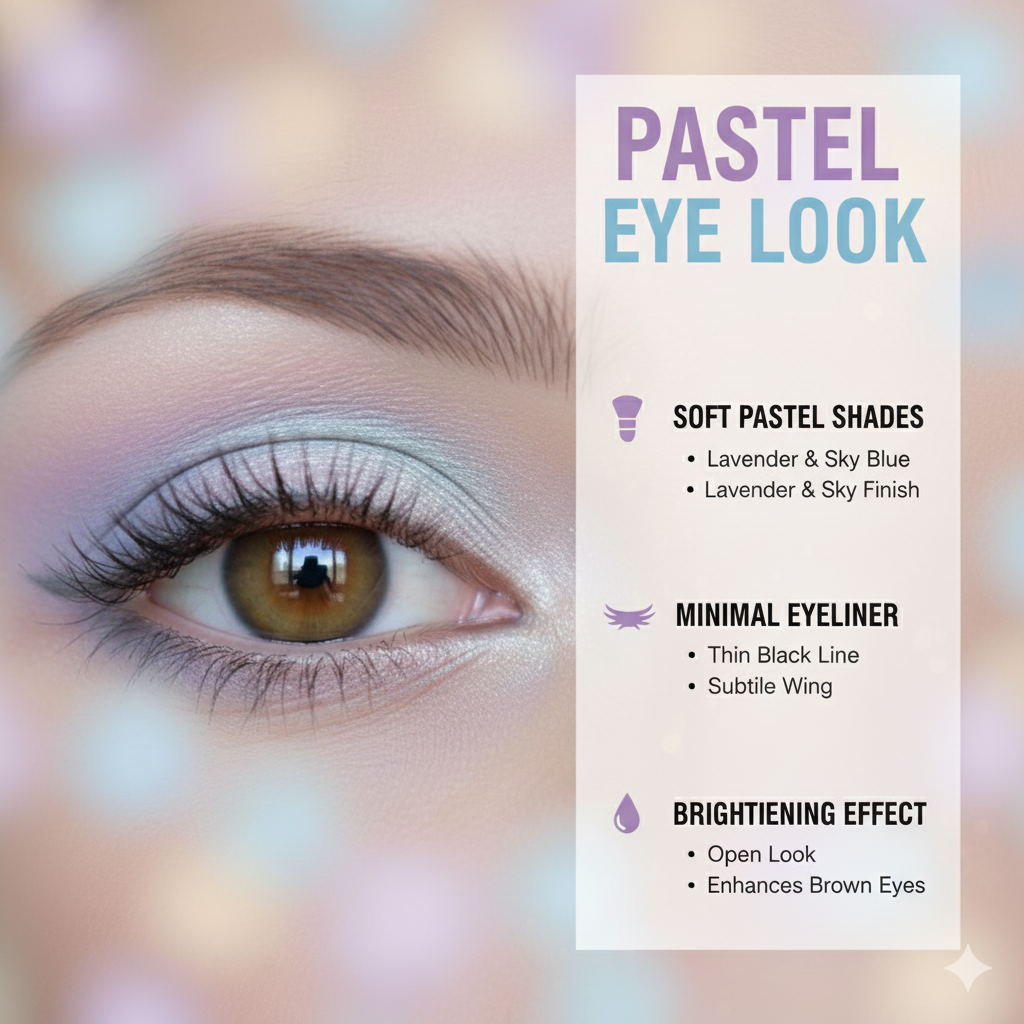
Visual layout displaying pastel eyeshadow tones and minimal eyeliner placement.
Disclaimer
This article is for general informational and educational purposes only. It does not constitute professional medical, ophthalmological, or consumer purchasing advice. References to procedures, products, or clinics do not imply endorsement or guarantee of results. Readers are encouraged to consult licensed eye care professionals and verified resources for vision health decisions.
by Ramil Villar | Mar 14, 2026 | Beauty & Cosmetics
Lightweight Summer Eye Makeup: Informational Overview of Common Techniques
A neutral guide describing basic cosmetic approaches sometimes used for eye-area makeup in warm weather conditions.
This article provides a general overview of lightweight eye makeup techniques commonly referenced in cosmetics discussions during warm weather periods. It explains how some individuals adjust product textures, application methods, and hygiene practices when applying eye-area cosmetics. The information focuses on basic cosmetic concepts and safe handling practices for products used near the eyes.
Understanding Eye-Area Cosmetics
Eye makeup typically refers to cosmetic products applied around the eyelids and lashes. Examples include:
- Mascara
- Eyeliner
- Eyeshadow
- Eyebrow products
These products are designed to add color or definition around the eye area. Product formulations vary in texture, including powders, creams, gels, and liquids.
Because the eye area contains delicate skin and is close to the tear film and eyelashes, careful product handling and hygiene are commonly emphasized in consumer safety guidance.
What “Lightweight” Makeup Usually Refers To
In cosmetics discussions, the term “lightweight” often describes makeup approaches that involve:
- Thin or sheer product layers
- Products with lighter textures
- Minimal product combinations
- Application methods intended to reduce heaviness on the eyelids
These approaches may be referenced during warmer weather because heat and humidity can influence how cosmetic products sit on the skin.
It is important to note that results can vary based on skin type, environment, and product formulation.
Common Techniques Discussed in Warm Weather Makeup
Cosmetic tutorials and beauty guides often describe several general techniques used when applying eye makeup in warm conditions.
Sheer Eyeshadow Application
Powder or cream eyeshadows are sometimes applied in light layers. Some individuals use neutral or soft shades to create subtle color across the eyelids.
Minimal Eyeliner
Instead of thick eyeliner styles, some makeup routines use thin lines along the lash line or smudged pencil liners.
Light Mascara Application
A small amount of mascara may be applied to the eyelashes to add definition. Product instructions from manufacturers typically recommend avoiding direct contact with the eyes.
Eyebrow Grooming
Eyebrow pencils, gels, or powders are sometimes used to define brow shape. Application methods vary depending on product type.
These examples represent common cosmetic approaches and do not guarantee a specific appearance or cosmetic outcome.
Hygiene and Safe Handling of Eye Cosmetics
Consumer safety guidance from health agencies and dermatology organizations often highlights hygiene practices when using eye-area products.
Examples include:
- Avoid sharing eye makeup products
- Replace mascara and liquid products periodically according to manufacturer instructions
- Remove makeup before sleeping when possible
- Avoid using products if irritation occurs
- Wash hands before applying cosmetics near the eyes
These practices may help reduce contamination risks associated with cosmetic products.
Context: Cosmetic Use Around the Eye Area
In dermatology and ophthalmology discussions, the skin around the eyes is described as thinner than many other areas of the face. Because of this, cosmetic products used near the eyes are often formulated to be suitable for sensitive skin.
Under consumer protection and product safety standards, cosmetic products sold in the Philippines are regulated by agencies such as the Department of Health (DOH) and the Food and Drug Administration Philippines (FDA Philippines) for safety compliance and labeling requirements.
FAQ
What is eye makeup?
Eye makeup refers to cosmetic products applied around the eyes, including mascara, eyeliner, and eyeshadow. These products are used for color or definition around the eyelids and eyelashes.
What does “lightweight” makeup usually mean?
The term typically describes cosmetic application using thinner layers, lighter textures, or fewer products. Interpretations can vary depending on product formulation and personal preference.
Why do some people adjust makeup routines during warm weather?
Heat and humidity can influence how cosmetic products behave on the skin. Some individuals adapt application methods or textures in response to environmental conditions.
Trusted Sources
- Department of Health (DOH) Philippines – Consumer health guidance
- Food and Drug Administration (FDA) Philippines – Cosmetic product safety information
- American Academy of Ophthalmology – Eye health and cosmetic safety resources
- Peer-reviewed dermatology and ophthalmology journals discussing cosmetic use near the eyes
Disclaimer
This article is for general informational and educational purposes only. It does not constitute professional medical, ophthalmological, or consumer purchasing advice. References to procedures, products, or clinics do not imply endorsement or guarantee of results. Readers are encouraged to consult licensed eye care professionals and verified resources for vision health decisions.
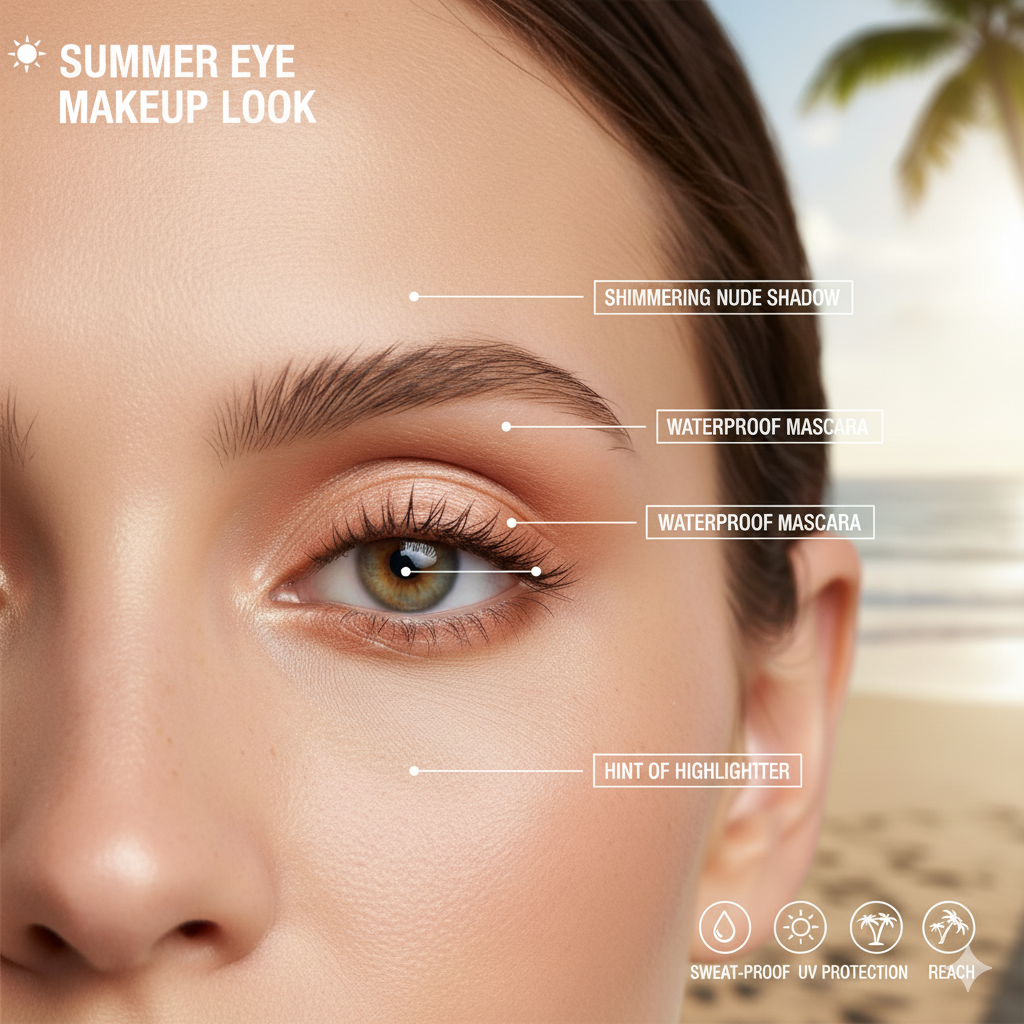
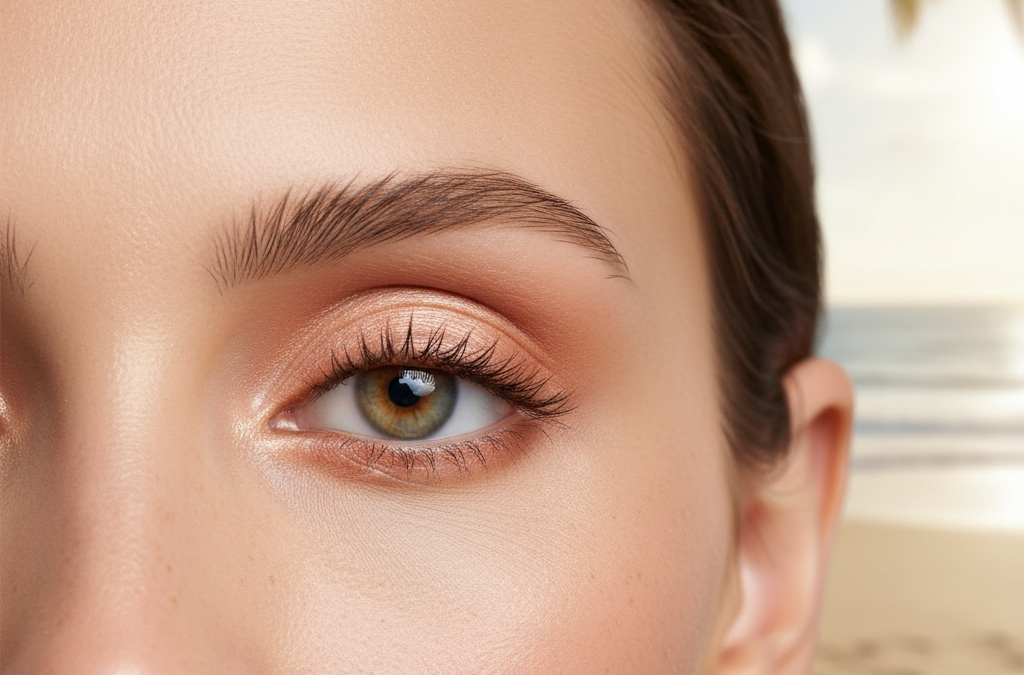
Illustrated overview of cosmetic items commonly used in eye makeup.

by Ramil Villar | Mar 14, 2026 | Beauty & Cosmetics
Understanding Eye and Lash Serums: An Educational Overview
General information about cosmetic eye-area serums and considerations for safe use.
Eye and lash serums are cosmetic products commonly marketed for application around the eyelids or eyelashes. This article provides a neutral overview of what such products typically contain, how they are generally used, and consumer awareness considerations. In the Philippines, cosmetic products may fall under regulatory oversight from agencies such as the Food and Drug Administration Philippines and consumer protection policies under the Department of Trade and Industry (Philippines).
What Is an Eye or Lash Serum?
An eye or lash serum is a liquid or gel-based cosmetic formulation designed for application near the eyelids or along the lash line. These products are often packaged in small bottles or tubes with applicators such as brushes or droppers.
Some products described as “eye and lash serums” may include ingredients commonly used in cosmetic formulations, for example:
- Moisturizing agents such as glycerin
- Plant-derived extracts
- Peptides or amino acid derivatives
- Conditioning ingredients used in cosmetic hair or skin products
Product composition can vary widely between brands. Ingredient lists are typically available on product packaging or manufacturer materials.
General Application Practices
Cosmetic eye serums are commonly applied in small amounts along the eyelid area or near the base of the eyelashes. The exact application method may vary depending on product instructions.
General safety considerations for cosmetic products used near the eyes may include:
- Applying the product on clean skin
- Avoiding direct contact with the surface of the eye
- Following instructions provided on packaging
- Discontinuing use if irritation occurs
Products intended for the eye area should be used with caution because the skin around the eyes is thin and sensitive.
Consumer Awareness for Eye-Area Cosmetics
Consumers reviewing cosmetic eye products may consider several informational factors:
Ingredient transparency
Many products list ingredients using International Nomenclature of Cosmetic Ingredients (INCI) standards.
Regulatory notification
Cosmetic products distributed in the Philippines may undergo notification processes with the Food and Drug Administration Philippines.
Product claims
Consumer protection standards under the Consumer Act of the Philippines (RA 7394) discourage misleading advertising or exaggerated health or cosmetic claims.
Patch testing
Some individuals perform small patch tests on skin to observe possible reactions before regular use.
Context: Eye-Area Cosmetic Products
In dermatology and ophthalmology discussions, the area around the eyes is recognized as sensitive compared with other facial skin. Cosmetic products formulated for this area are typically designed for external use only.
Under consumer protection and medical advertising standards, cosmetic products are generally not intended to diagnose, treat, or cure medical conditions affecting the eyes.
Frequently Asked Questions
What is an eye serum?
An eye serum is a cosmetic product formulated for application around the eye area. It may contain moisturizing or conditioning ingredients commonly used in skin-care formulations.
What is a lash serum?
A lash serum is a cosmetic formulation applied near the eyelashes. These products are often marketed as conditioning treatments for lashes.
Are cosmetic products near the eyes regulated in the Philippines?
Cosmetic products may fall under regulatory frameworks involving the Food and Drug Administration Philippines, which oversees safety and product notification requirements for cosmetics distributed in the country.
Trusted Sources
- Food and Drug Administration Philippines — Cosmetic product regulatory information
- Department of Health (Philippines) — Public health advisories
- International ophthalmology and dermatology research literature on cosmetic products used near the eyes
Disclaimer:
This article is for general informational and educational purposes only. It does not constitute professional medical, ophthalmological, or consumer purchasing advice. References to procedures, products, or clinics do not imply endorsement or guarantee of results. Readers are encouraged to consult licensed eye care professionals and verified resources for vision health decisions.
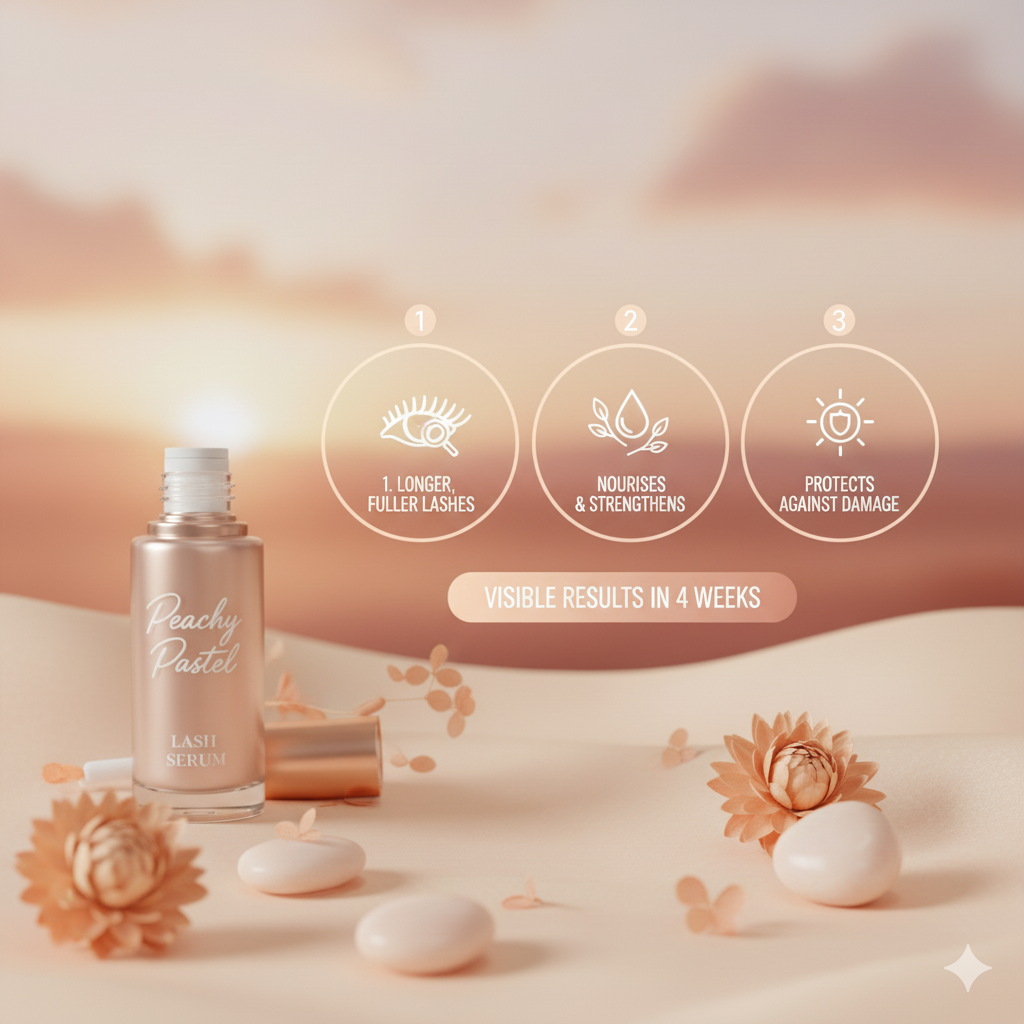
Infographic showing packaging visuals and labeled product overview sections.
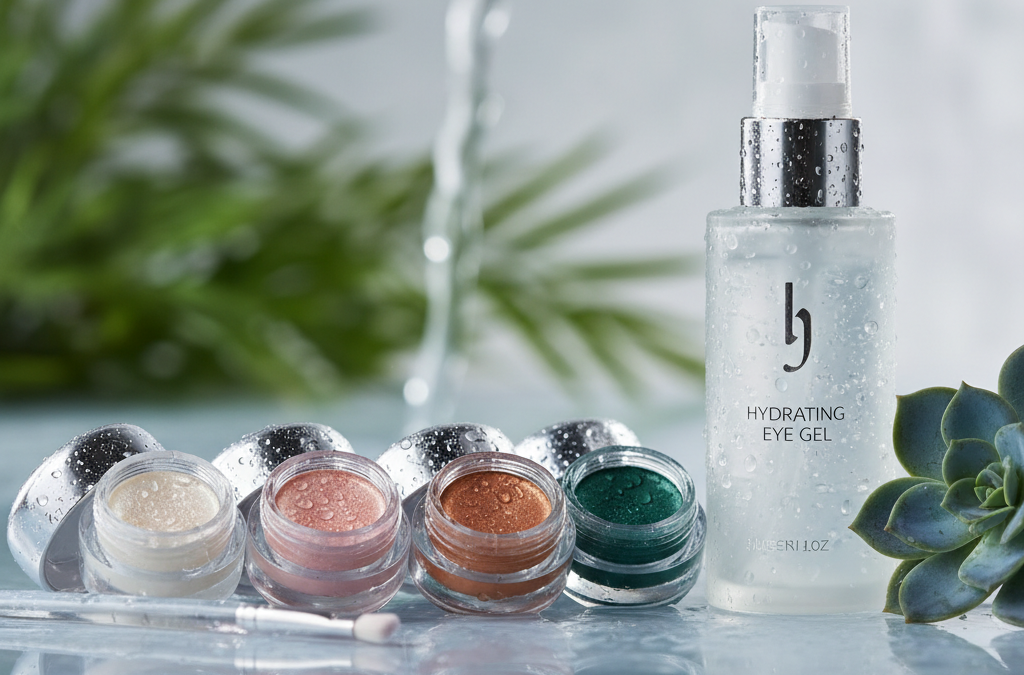
by Ramil Villar | Mar 14, 2026 | Beauty & Cosmetics
Understanding Dewy Eye Shadows and Hydrating Eye Gel: An Educational Overview
A neutral explanation of cosmetic textures and moisturizing products commonly used around the eye area.
Eye-area cosmetic and skincare products often use different textures and formulations to achieve specific visual effects or support skin hydration. Two commonly discussed categories are dewy eye shadows and hydrating eye gels. This article explains what these products are, how they are typically formulated, and basic considerations for safe use around the eye area. Information is presented for general understanding within consumer protection and health awareness frameworks recognized by agencies such as the Department of Health Philippines and the Food and Drug Administration Philippines.
Dewy Eye Shadows: Definition and Typical Characteristics
Dewy eye shadows are cosmetic products designed to produce a moist or reflective finish on the eyelids. The term “dewy” generally refers to a surface appearance that reflects light and creates a soft sheen.
Typical characteristics include:
- Texture: Cream, balm, liquid, or glossy formulations are common.
- Finish: Reflective or luminous rather than matte.
- Ingredients: Many formulations contain emollients such as plant oils, waxes, or silicone-based compounds to create a smooth texture.
- Application format: Often applied using fingertips, brushes, or applicator wands.
Because the eyelid skin is thin and sensitive, cosmetics intended for the eye area are typically formulated to reduce irritation risks. Consumers may review product labeling to confirm that the formulation is indicated for use near the eyes.
Hydrating Eye Gel: Definition and Typical Purpose
Hydrating eye gels are skincare products formulated to add moisture to the skin around the eyes. They commonly use water-based gel textures designed for quick absorption.
Common formulation elements may include:
- Humectants: Ingredients that attract moisture to the skin, such as glycerin.
- Water-based gel carriers: Provide a lightweight texture.
- Soothing agents: Some products include botanical extracts or similar components intended to support skin comfort.
Eye gels are generally applied to the area around the orbital bone rather than directly inside the eye. Product labels and manufacturer instructions often describe recommended usage areas.
Basic Considerations for Eye-Area Products
Products used around the eyes require careful handling due to the sensitivity of the surrounding tissues.
Common consumer safety considerations include:
- Hygiene: Clean hands or applicators may help reduce contamination.
- Patch testing: Some individuals test products on a small skin area before wider use.
- Expiration awareness: Cosmetic products may degrade over time, which can increase irritation risk.
- Avoid direct eye contact: Most cosmetic labels advise preventing the product from entering the eye.
If irritation, redness, or discomfort occurs, discontinuing use and seeking professional evaluation may be appropriate.
Context: Cosmetic and Consumer Safety
Cosmetic products sold in the Philippines are generally subject to regulatory oversight related to safety, labeling, and consumer protection. Agencies such as the Food and Drug Administration Philippines monitor compliance with national health standards, while consumer protection principles are outlined under the Consumer Act of the Philippines (RA 7394).
In dermatology and cosmetic science literature, products designed for the eye area are often evaluated for factors such as ingredient compatibility, microbiological safety, and skin tolerance.
FAQ
What is a dewy eye shadow?
A dewy eye shadow is a cosmetic formulation designed to create a light-reflective finish on the eyelids. It typically uses cream, liquid, or balm textures that produce a glossy or luminous appearance.
What is a hydrating eye gel?
A hydrating eye gel is a skincare product formulated to add moisture to the skin around the eyes. It usually has a lightweight gel texture and may contain humectants that help retain water in the skin.
Are eye-area cosmetics different from regular facial cosmetics?
Many products intended for the eye area are formulated to account for the sensitivity of the eyelids and surrounding skin. Labels often indicate whether the product is suitable for use near the eyes.
Trusted Sources
- Department of Health Philippines — Public health information
- Food and Drug Administration Philippines — Cosmetic product safety guidance
- American Academy of Ophthalmology — Eye health education resources
- Peer-reviewed dermatology and ophthalmology journals on cosmetic safety
Disclaimer
This article is for general informational and educational purposes only. It does not constitute professional medical, ophthalmological, or consumer purchasing advice. References to procedures, products, or clinics do not imply endorsement or guarantee of results. Readers are encouraged to consult licensed eye care professionals and verified resources for vision health decisions.
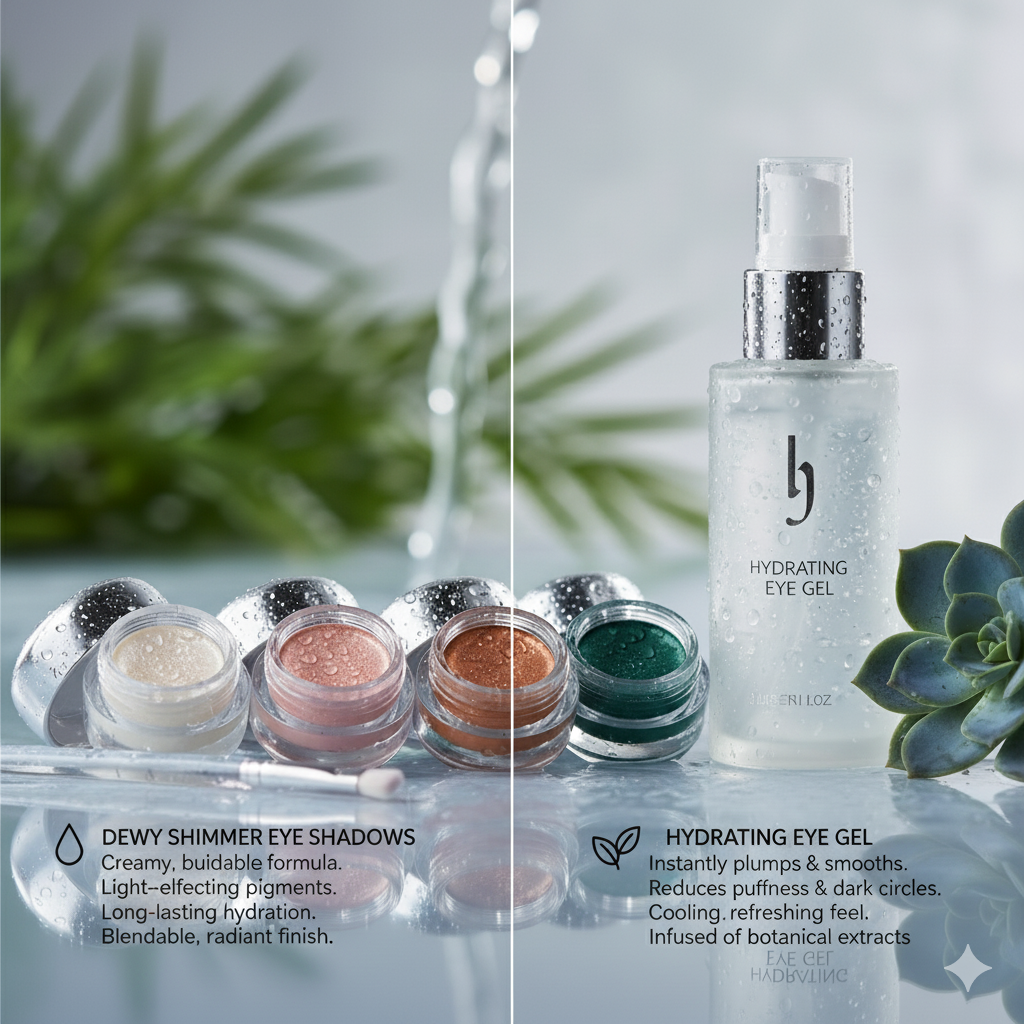
Illustrated comparison of cosmetic eye shadow textures and gel-based formulations used in eye-area products.