by Ramil Villar | Mar 15, 2026 | Beauty & Cosmetics, Skin Care Education
Soft Peach Blush & Gradient Lips: Educational Overview of Two Cosmetic Makeup Techniques
Neutral explanation of two commonly referenced makeup application styles used in cosmetic routines.
Soft peach blush and gradient lips are cosmetic makeup techniques commonly described in beauty tutorials and cosmetic demonstrations. These methods relate to how color products are applied to the cheeks and lips to create certain visual effects.
In the Philippines, cosmetic products used for makeup fall under regulatory frameworks including the Food and Drug Administration (FDA Philippines) and consumer protection provisions such as the Consumer Act of the Philippines (RA 7394). These frameworks require accurate product labeling and responsible marketing practices.
This article explains what the soft peach blush and gradient lip techniques refer to, how they are typically applied in cosmetic demonstrations, and what consumers may consider when evaluating makeup products.
Understanding Soft Peach Blush
Soft peach blush refers to the use of a blush product with a light peach-toned color applied to the cheek area.
Color Characteristics
Peach shades generally combine elements of orange and pink tones. Cosmetic color theory suggests that peach shades may be used in makeup routines to introduce subtle warmth to the complexion.
Typical Placement
Makeup demonstrations often show blush applied to areas such as:
- The upper cheek area
- The area slightly above the cheekbone
- The apples of the cheeks
Application methods may vary depending on the formulation of the product (powder, cream, or liquid).
Application Tools
Common tools used in cosmetic routines include:
- Makeup brushes
- Cosmetic sponges
- Fingertips for cream or liquid products
The choice of tool can influence how pigment spreads across the skin.
Understanding Gradient Lips
Gradient lips describe a lip makeup technique where color intensity varies across different parts of the lips.
Visual Concept
In many cosmetic demonstrations:
- The center of the lips contains a more concentrated color
- The outer lip area appears lighter or blended
This creates a gradual transition between color intensities.
Blending Process
A gradient effect is usually created through blending. This may involve:
- Applying a lip color to the inner portion of the lips
- Blending outward using a brush, sponge, or fingertip
- Adjusting color intensity through layering
Different lip product formulations, such as lip tints, lip creams, or lipsticks, may be used depending on the desired texture.
Product Safety and Consumer Awareness
Consumers exploring cosmetic techniques may encounter a variety of makeup products across retail stores and online platforms.
Considerations for product evaluation may include:
Ingredient Transparency
Cosmetic packaging typically lists ingredients used in the formulation.
Regulatory Notification
Cosmetics sold in the Philippines may be included in the FDA Philippines cosmetic notification system.
Hygiene Practices
Proper cleaning of brushes, sponges, and other tools may help reduce the transfer of bacteria between uses.
Patch Testing
Some dermatology resources discuss applying a small amount of product to a limited skin area before broader cosmetic use to observe potential skin reactions.
Context: Makeup Techniques in Cosmetic Education
Cosmetic techniques such as blush placement and lip blending are frequently discussed in makeup education, training materials, and cosmetic artistry programs. These techniques focus on color placement and blending methods rather than medical or dermatological treatment.
Makeup trends and application styles can vary across cultures, fashion cycles, and media influences. Educational explanations of these techniques typically focus on method rather than aesthetic outcomes.
FAQ
What is blush used for in cosmetic routines?
Blush is a cosmetic product applied to the cheeks. It is commonly used in makeup routines to add color to the cheek area.
What does gradient lip makeup mean?
Gradient lips refer to a lip color application where the intensity of pigment varies from the center of the lips toward the edges.
Are different product types used for these techniques?
Cosmetic demonstrations may use powder, cream, liquid, or tint formulations depending on the desired blending method.
Trusted Sources
- Food and Drug Administration (FDA Philippines) cosmetic guidance
- Department of Health (DOH) Philippines health information materials
- International dermatology and cosmetic science journals
- Educational materials from professional cosmetic artistry programs
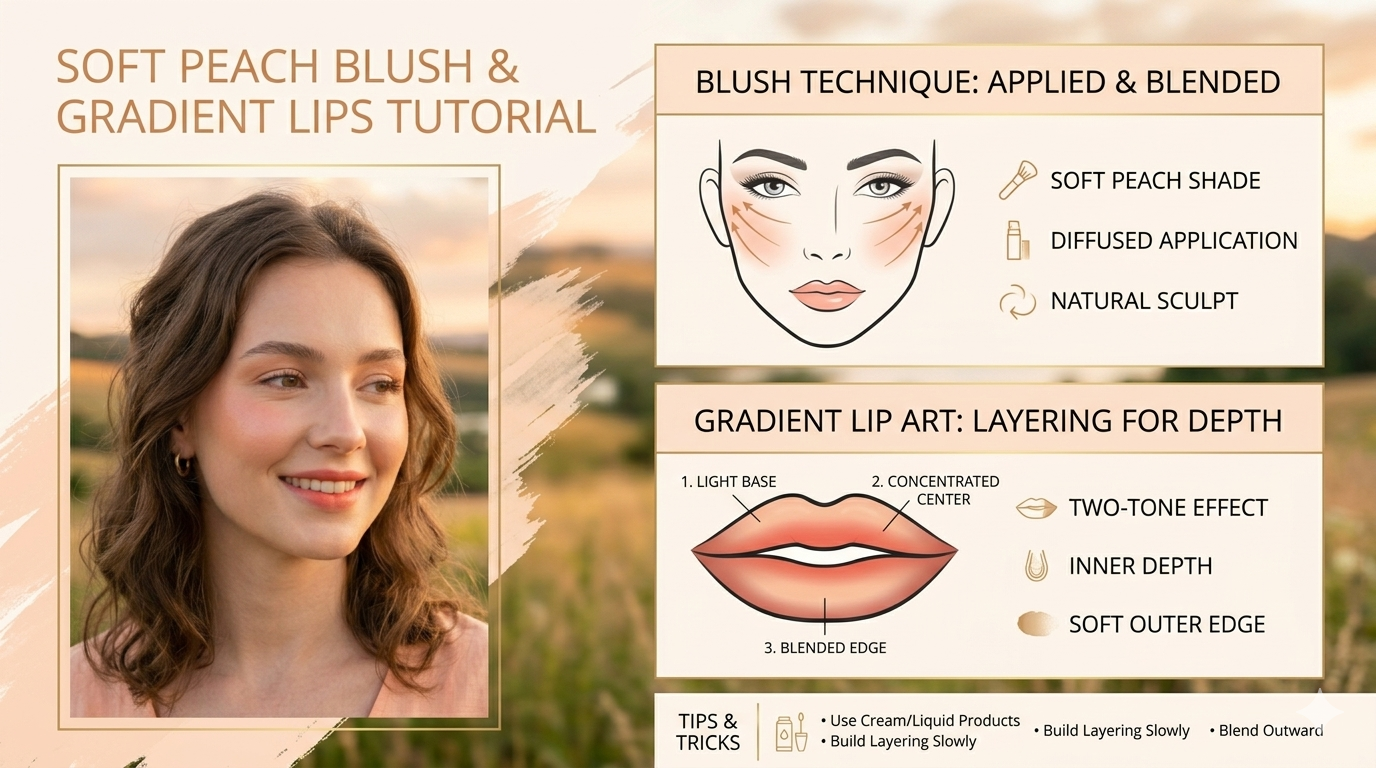
Illustration showing blush placement areas and a lip color gradient example.
Disclaimer
This article is for general informational and educational purposes only. It does not constitute professional medical, dermatological, or consumer purchasing advice. References to products, routines, or treatments do not imply endorsement or guarantee of results. Readers are encouraged to consult licensed dermatologists and verified resources for skin care decisions.

by Ramil Villar | Mar 15, 2026 | Beauty & Cosmetics, Skin Care Education
Dewy Skin and Floral-Inspired Eye Makeup: An Educational Overview of Cosmetic Styling Concepts
Neutral explanation of cosmetic techniques commonly described in beauty media.
Cosmetic styling often explores visual themes inspired by natural elements such as flowers, light reflection, and color harmony. In many beauty publications and visual media, two concepts frequently discussed in makeup tutorials and fashion editorials are dewy skin appearance and floral-inspired eye makeup. These terms describe aesthetic approaches to cosmetic application rather than medical or dermatological outcomes.
In general, this article explains what these concepts mean, how they are typically described in beauty education materials, and how cosmetic techniques are often used to create these visual effects.
Understanding the “Dewy Skin” Appearance
The phrase dewy skin generally refers to a makeup style that creates the visual impression of light reflecting softly on the skin surface. In visual media contexts, the effect is often associated with a hydrated or luminous appearance in photography and fashion imagery.
Cosmetic methods commonly associated with this look include:
Skin Preparation
To begin with, makeup guides frequently describe preparing the skin with cleansing and moisturizing steps to create a smooth surface for cosmetic application.
Lightweight Base Products
In addition, some tutorials reference foundations or skin tints with lighter coverage that allow natural skin texture to remain visible.
Highlighting Techniques
Similarly, highlighter products or reflective cosmetic particles may be applied to areas such as the cheekbones, brow bone, or bridge of the nose to reflect light.
Cream-Based Products
Additionally, cream blush or cream highlighter formulas are sometimes used in editorial makeup because they can produce a softer reflective effect compared with certain powder formulations.
Overall, these techniques are discussed in cosmetic artistry contexts and may produce different visual outcomes depending on lighting, skin type, and product formulation.
Floral-Inspired Eye Makeup
In contrast to skin-focused styling, floral-inspired eye makeup refers to eye looks that incorporate colors, shapes, or patterns associated with flowers and botanical imagery. For example, these designs are often seen in seasonal fashion editorials, runway presentations, or creative makeup demonstrations.
Common stylistic approaches include:
Color Selection
In many cases, colors referenced in floral themes include soft pinks, peach tones, lilac, lavender, or muted greens. These shades resemble colors commonly seen in flowers or foliage.
Blending Techniques
At the same time, makeup artists frequently blend multiple eyeshadow shades to create gradual color transitions that resemble petals or soft gradients.
Graphic or Petal Shapes
In some creative demonstrations, small petal-like shapes or delicate lines may appear near the eyelids using eyeliner or fine brushes.
Accent Elements
Occasionally, decorative accents such as shimmer pigments or cosmetic-safe stickers appear in editorial settings to evoke floral motifs.
As a result, the appearance of floral-inspired makeup can vary widely and is influenced by artistic interpretation, lighting conditions, and the tools used.
Context: Cosmetic Trends and Visual Themes
More broadly, beauty trends often draw inspiration from art, fashion, nature, and cultural aesthetics. Terms such as “dewy,” “matte,” or “floral-inspired” function primarily as descriptive language used in the cosmetics and fashion industries.
Importantly, these descriptions do not represent standardized dermatological terminology. Instead, they describe stylistic approaches to color, texture, and visual presentation.
Furthermore, in consumer contexts, cosmetic techniques may produce different visual effects depending on factors such as lighting conditions, camera settings, product formulations, and individual skin characteristics.
FAQ
What does “dewy skin” mean in makeup discussions?
In general usage, the term describes a cosmetic style that emphasizes light reflection on the skin surface. It is often associated with moisturizers, lightweight base products, and highlighting techniques.
What is floral-inspired eye makeup?
Typically, floral-inspired eye makeup refers to eye designs that incorporate colors, shapes, or patterns associated with flowers. These styles appear in creative makeup tutorials and fashion editorials.
Are these terms used in dermatology?
No. Terms such as “dewy skin” and “floral-inspired makeup” are primarily used in cosmetic artistry and fashion contexts rather than in medical dermatology.
Trusted Sources
Department of Health (Philippines) consumer health advisories
Food and Drug Administration Philippines cosmetic safety guidance
American Academy of Dermatology educational materials
Cosmetic science and dermatology journals discussing skin care and cosmetic product safety
Professional makeup artistry education resources
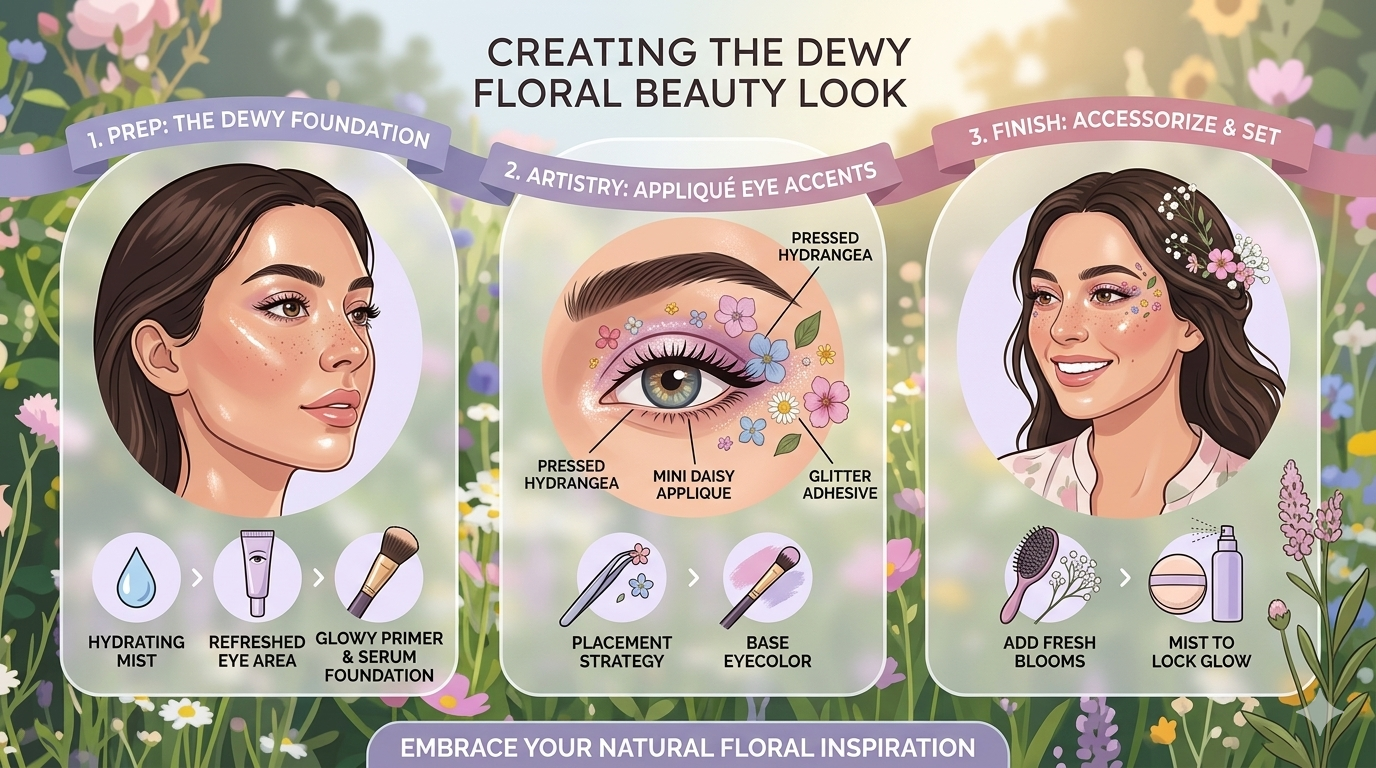
Infographic illustrating cosmetic styling elements related to dewy skin and floral eye makeup.
Disclaimer
This article is for general informational and educational purposes only. It does not constitute professional medical, dermatological, or consumer purchasing advice. References to products, routines, or treatments do not imply endorsement or guarantee of results. Readers are encouraged to consult licensed dermatologists and verified resources for skin care decisions.
by Ramil Villar | Mar 15, 2026 | Beauty & Cosmetics
Hydrating Eye Cream and Bold Eyeliner: An Informational Overview of Eye Area Care and Cosmetic Application
A neutral educational guide discussing common eye-area skincare practices and cosmetic eyeliner use.
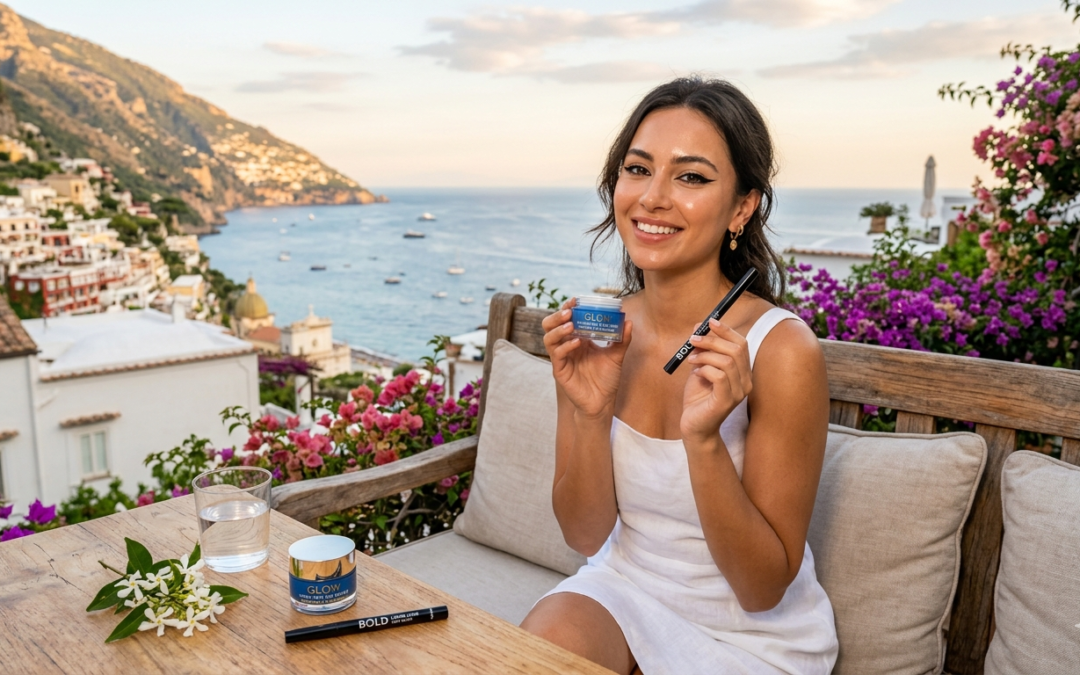
Eye-area skincare products and cosmetic makeup are widely used in personal grooming routines. Items such as hydrating eye creams and eyeliner products are commonly discussed in beauty and skincare contexts. This article provides an informational overview of how the skin around the eyes functions, how moisturizing products are typically formulated for that area, and how eyeliner cosmetics are commonly applied. The discussion is educational in nature and does not promote any specific brand, product, or cosmetic outcome.
Understanding the Skin Around the Eyes
The skin surrounding the eyes is structurally different from skin on many other parts of the face. Dermatology and ophthalmology literature often describe this area as thinner and more sensitive. Because of this, products designed for use near the eyes are often formulated to minimize irritation.
Hydration of the skin refers to maintaining adequate moisture levels within the outer skin layers. In cosmetic and dermatologic contexts, moisturizers may contain ingredients that help retain water in the skin’s surface layers. Hydrating eye creams are typically designed for application to the outer eye-area skin and are not intended to be placed directly in the eye.
Routine skincare discussions frequently emphasize gentle application techniques around the eye region due to the area’s sensitivity.
Hydrating Eye Creams: General Characteristics
Hydrating eye creams are topical skincare products intended for the outer skin around the eyes. According to dermatology references, moisturizing products may contain ingredients such as:
- Humectants that attract moisture to the skin surface
- Emollients that help soften the outer skin layer
- Occlusive agents that assist in reducing water loss from the skin
Manufacturers may formulate eye-area products differently from standard facial creams to account for sensitivity near the eyes. Product labels typically include instructions regarding application amount and placement to reduce the likelihood of irritation.
Consumers often review ingredient lists and safety instructions before using skincare products near the eye area.
Eyeliner: Cosmetic Use Around the Eyes
Eyeliner is a cosmetic product applied along the eyelid margin or lash line. In cosmetic practice, eyeliner may be used to outline or accentuate the shape of the eye area.
Eyeliner products are commonly available in several formats, including:
- Pencil-based formulations
- Liquid applicators
- Gel-based products
Application methods vary depending on the cosmetic style being created. For example, “bold eyeliner” commonly refers to a thicker or more visible line drawn along the eyelid compared with minimal or subtle eyeliner styles.
Cosmetic application generally occurs on the outer eyelid area. Users typically avoid placing cosmetic products directly into the eye.
Hygiene and Safety Considerations
In consumer health guidance, hygiene is commonly emphasized when using products near the eyes. Routine considerations may include:
- Using clean applicators or brushes
- Avoiding product sharing between individuals
- Checking expiration dates for cosmetic products
- Removing makeup using products designed for the eye area
Eye discomfort, redness, or irritation may occur in some individuals when cosmetics or skincare products contact the eyes. In such situations, discontinuing product use and seeking professional evaluation may be considered.
Context in Dermatology and Ophthalmology Discussions
In dermatology and ophthalmology studies, the eye area is often discussed in relation to skin sensitivity, cosmetic product formulation, and consumer safety. Regulatory agencies in several countries provide guidance regarding labeling and safe cosmetic use.
Under consumer protection standards, including those recognized in the Philippines through agencies such as the Department of Health, the Food and Drug Administration, and the Department of Trade and Industry, cosmetic products are expected to comply with safety, labeling, and consumer transparency requirements.
These frameworks aim to support informed consumer decisions when selecting personal care items.
Frequently Asked Questions
What is a hydrating eye cream?
A hydrating eye cream is a skincare product designed for application to the skin surrounding the eyes. It is typically formulated to moisturize the outer skin layers and may contain ingredients that support skin hydration.
What does “bold eyeliner” mean?
Bold eyeliner usually refers to a cosmetic style where a thicker or more visible line is applied along the eyelid. The appearance can vary depending on the product type and the technique used during application.
Why is the eye area often treated differently in skincare?
The skin around the eyes is commonly described in dermatology literature as thinner and more delicate than other facial areas. For this reason, products and application methods may be adjusted to reduce irritation.
Trusted Sources
- Department of Health — Consumer health guidance
- Food and Drug Administration — Cosmetic safety and product regulation
- American Academy of Ophthalmology — Educational information on eye health
- World Health Organization — Health education resources
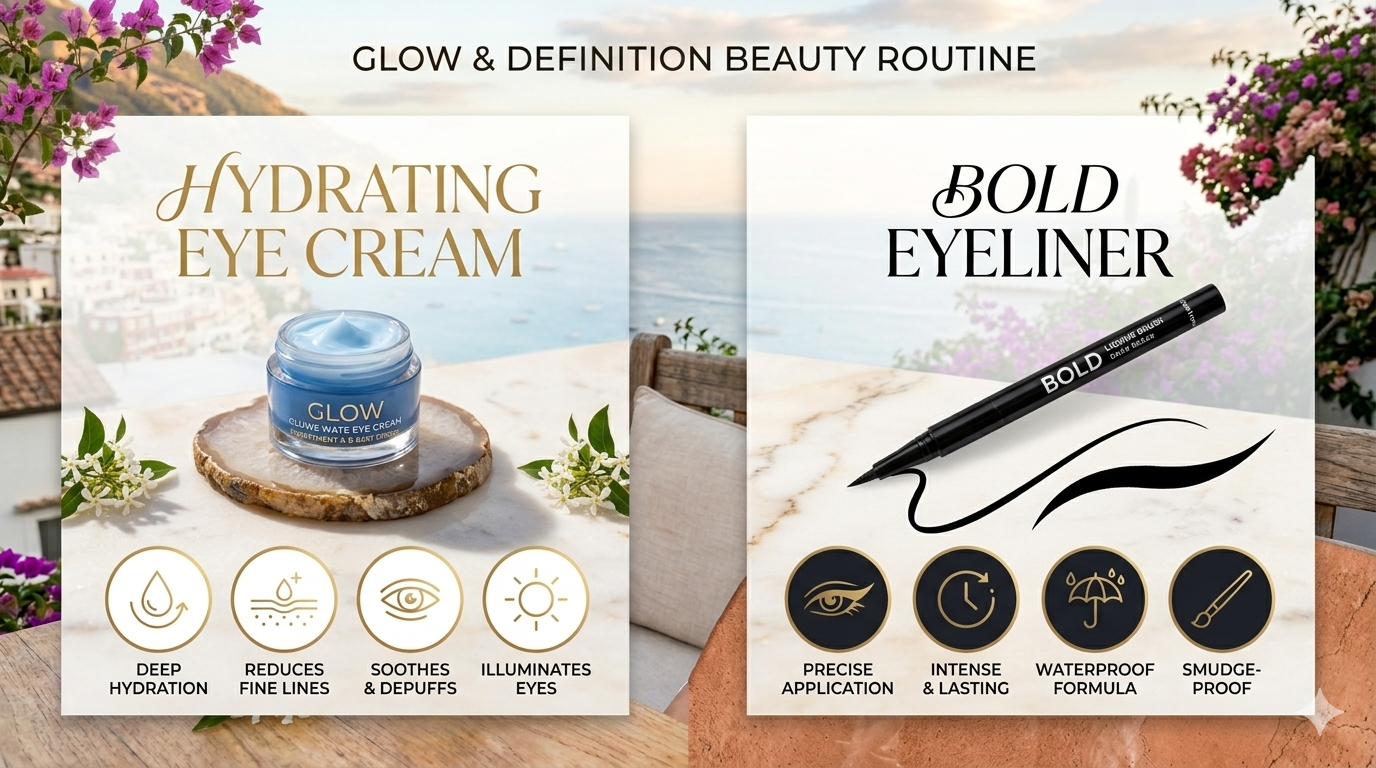
Visual comparison of eye cream textures and eyeliner product formats.
Disclaimer
This article is for general informational and educational purposes only. It does not constitute professional medical, ophthalmological, or consumer purchasing advice. References to procedures, products, or clinics do not imply endorsement or guarantee of results. Readers are encouraged to consult licensed eye care professionals and verified resources for vision health decisions.

by Ramil Villar | Mar 15, 2026 | Beauty & Cosmetics
Sun-Kissed Eye Makeup & Lash Care
A neutral educational overview of eye-area cosmetics, eyelash hygiene, and safe daily practices.
Eye-area cosmetics and eyelash grooming are common parts of personal care routines. Because the eyelids and lashes sit close to the surface of the eye, hygiene and product handling practices are important considerations. This article explains basic eye anatomy related to lashes, common hygiene practices associated with eye makeup, and general safety considerations discussed in ophthalmology and consumer protection guidance.
Understanding the Eyelids and Eyelashes
The eyelids and eyelashes help protect the surface of the eye.
- Eyelids help distribute tears across the eye during blinking.
- Eyelashes act as a physical barrier that may help reduce dust or debris from reaching the eye.
- Oil glands near the lash line, called meibomian glands, release oils that help stabilize the tear film.
Because cosmetics are often applied along the eyelid or lash line, careful handling and cleanliness are commonly emphasized in eye health guidance.
Eye Makeup and Hygiene Considerations
Eye cosmetics such as mascara, eyeliner, and eyeshadow are designed for use around the eyes. Ophthalmology sources frequently highlight several hygiene considerations.
Clean application tools
Brushes and applicators may collect oils, skin cells, or residue. Periodic cleaning of reusable tools is commonly discussed in hygiene recommendations.
Avoid sharing eye cosmetics
Sharing products or applicators can transfer bacteria between users.
Product expiration awareness
Cosmetic products may degrade over time. Public health guidance often notes that expired products may increase the chance of contamination.
Gentle removal practices
Removing eye cosmetics before sleep is commonly discussed in eye care materials to reduce buildup along the lash line.
Eyelash Care and Maintenance
Eyelashes require minimal direct maintenance, but certain habits are frequently referenced in eye health discussions.
Clean eyelid margins
Routine facial cleansing can help remove debris that collects around lashes and eyelids.
Avoid pulling or excessive rubbing
Mechanical irritation may affect the eyelid area or lashes.
Monitor irritation signs
Redness, itching, swelling, or discharge around the eyelids may indicate irritation or sensitivity. When symptoms persist, licensed eye care professionals are typically consulted for evaluation.
Environmental Factors and Eye Comfort
Outdoor environments and cosmetic routines can sometimes interact with eye comfort.
Examples discussed in eye health literature include:
- Sun exposure and dry air conditions
- Airborne dust or pollen
- Long hours wearing eye cosmetics without removal
In these situations, maintaining eyelid cleanliness and monitoring comfort levels are commonly noted considerations.
Context: Eye Cosmetics and Consumer Safety
In ophthalmology and consumer protection discussions, eye cosmetics are typically evaluated in terms of ingredient safety, contamination risk, and proper labeling.
Under consumer protection standards, including those referenced by Philippine regulatory bodies such as the Department of Health and the Food and Drug Administration, cosmetic products distributed to the public are expected to follow safety and labeling regulations. These frameworks aim to reduce risks associated with improper manufacturing, contamination, or misleading claims.
Educational materials from ophthalmology organizations also emphasize awareness of eye irritation symptoms and the importance of professional evaluation when needed.
FAQ
What is eyelid hygiene?
Eyelid hygiene refers to routine cleaning of the eyelid margins and surrounding skin to remove oils, debris, or cosmetic residue. It is commonly discussed in eye health materials related to eyelid comfort.
Can eye makeup affect eye comfort?
Eye cosmetics may sometimes interact with the eyelid margin or tear film. Hygiene practices and proper product handling are often discussed to reduce contamination risks.
What tools are commonly used for eye makeup?
Common tools include brushes, applicators, and mascara wands. Hygiene guidance typically mentions periodic cleaning of reusable tools.
Trusted Sources
- Philippine Department of Health (DOH) – Public health advisories
- Philippine Food and Drug Administration (FDA) – Cosmetic safety guidelines
- American Academy of Ophthalmology – Eye health education resources
- Peer-reviewed ophthalmology and optometry journals
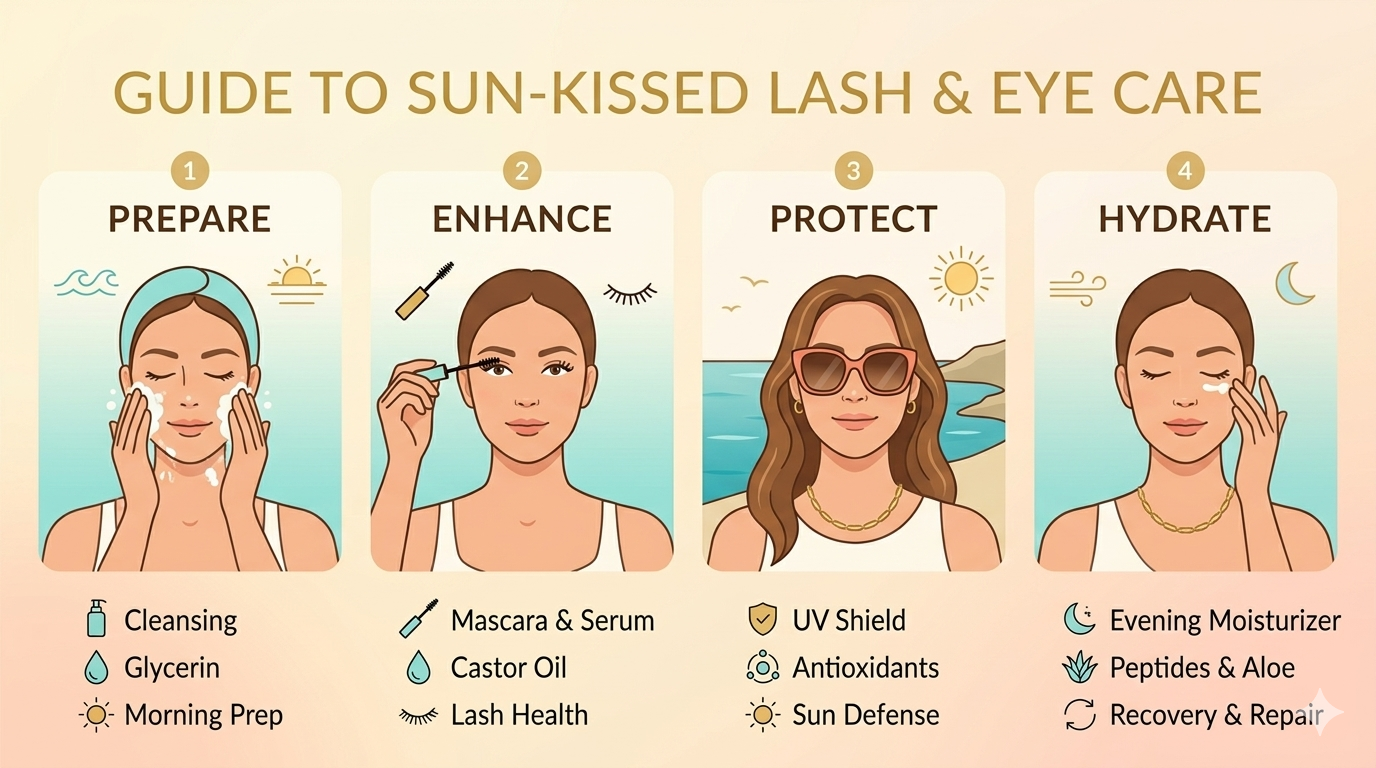
Illustrated layout displaying eye makeup areas and eyelash features.
Disclaimer
This article is for general informational and educational purposes only. It does not constitute professional medical, ophthalmological, or consumer purchasing advice. References to procedures, products, or clinics do not imply endorsement or guarantee of results. Readers are encouraged to consult licensed eye care professionals and verified resources for vision health decisions.
by Ramil Villar | Mar 15, 2026 | Beauty & Cosmetics
Bright Eyeshadow and Under-Eye Highlight: An Educational Overview of Eye Makeup Techniques
A neutral explanation of two commonly used cosmetic eye makeup approaches.
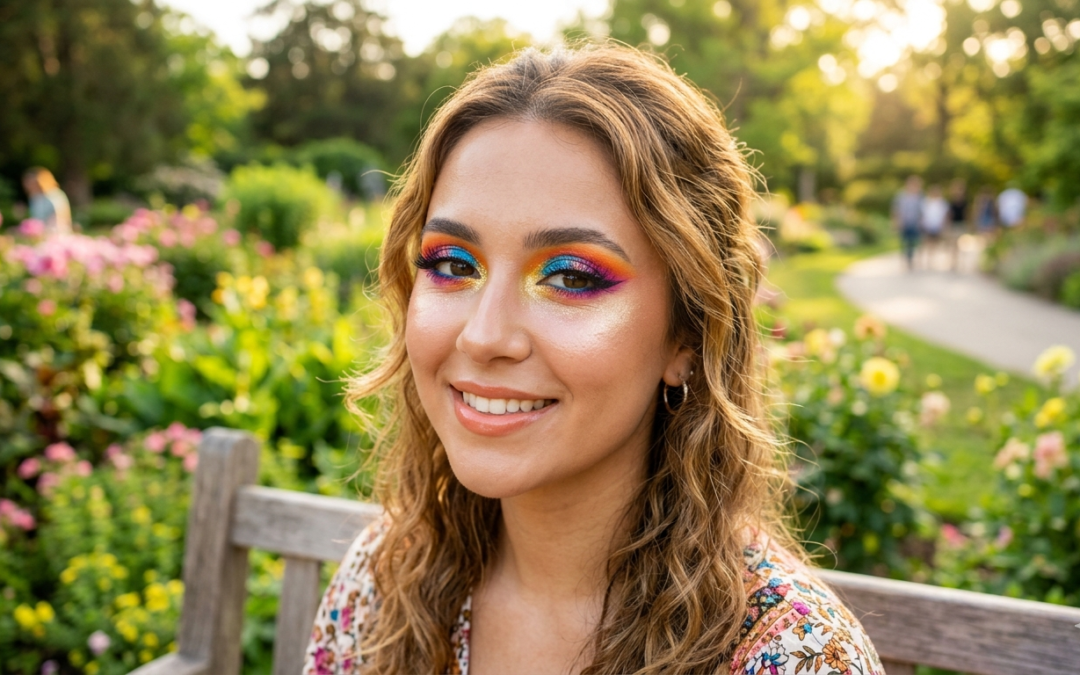
Bright eyeshadow and under-eye highlight are cosmetic makeup techniques commonly discussed in beauty tutorials and cosmetic education. These methods involve applying light-reflective or lighter-colored makeup products around the eye area. This article explains what these techniques are, how they are typically used in cosmetic routines, and general considerations for eye safety and hygiene.
What Is Bright Eyeshadow?
Bright eyeshadow refers to the use of noticeably lighter or more vivid colors on the eyelids. Examples of colors used in cosmetic tutorials may include soft pastels, metallic shades, or light neutral tones.
These products are applied to the eyelid area using brushes, applicators, or fingertips depending on the product formulation. Some individuals apply brighter shades across the eyelid surface, while others combine them with darker tones to create contrast within a makeup look.
Cosmetic eyeshadow products may contain pigments, binders, and reflective particles. Product formulations can vary across cosmetic brands, including powders, creams, and liquids.
What Is Under-Eye Highlight?
Under-eye highlight refers to the application of lighter cosmetic products beneath the lower eyelid area. In cosmetic routines, this may involve:
- A lighter-colored concealer
- A highlighting powder or cream
- Light-reflective pigments
The technique is often used in cosmetic makeup tutorials to create contrast between different areas of the face. Application methods may include brushes, sponges, or fingertip blending depending on the product type.
Eye Area Sensitivity
The skin surrounding the eyes is relatively thin compared with many other areas of the face. Because of this, cosmetic products used near the eyes should be applied carefully and removed using gentle cleansing practices.
Individuals may respond differently to cosmetic ingredients. Some users report irritation, redness, or watering when certain pigments or fragrances come into contact with the eye area.
General hygiene practices commonly mentioned in cosmetic education include:
- Avoiding the sharing of eye makeup tools
- Cleaning brushes and applicators regularly
- Removing makeup before sleeping
- Checking product expiration dates
These practices are discussed in consumer safety guidance related to cosmetic use.
Hypothetical Example
In a hypothetical cosmetic routine, a person may apply a light-colored eyeshadow to the eyelid and a lighter cosmetic product under the lower eyelid area. The goal in many tutorials is to create contrast between makeup shades rather than to change the natural structure of the eyes.
This example illustrates how the two techniques may appear together in cosmetic demonstrations.
Context: Cosmetic Product Safety
Cosmetic products applied near the eyes fall under consumer product safety regulations in many countries. In the Philippines, cosmetic safety oversight involves regulatory guidance from agencies such as the Department of Health (DOH) and the Food and Drug Administration (FDA Philippines).
Manufacturers typically provide instructions regarding safe cosmetic use, ingredient information, and expiration guidelines. Consumers are generally encouraged to review these details and monitor any signs of irritation when using products near the eye area.
Ophthalmology and dermatology references often emphasize the importance of maintaining hygiene when applying products around sensitive skin areas.
FAQ
What is eyeshadow used for in cosmetics?
Eyeshadow is a cosmetic product applied to the eyelids. It is commonly used to add color, shading, or contrast within a makeup routine.
What does under-eye highlight refer to?
Under-eye highlight describes the application of a lighter cosmetic product beneath the lower eyelid area. It is often used in makeup demonstrations to create contrast between facial areas.
Are there safety considerations when applying eye makeup?
Cosmetic products applied near the eyes may cause irritation for some individuals. Hygiene practices such as cleaning tools and removing makeup before sleep are commonly mentioned in consumer safety guidance.
Trusted Sources
- Philippine Department of Health (DOH) — public health guidance
- FDA Philippines — cosmetic product safety advisories
- American Academy of Ophthalmology — educational materials on eye health
- Peer-reviewed dermatology and ophthalmology publications discussing cosmetic safety near the eye area
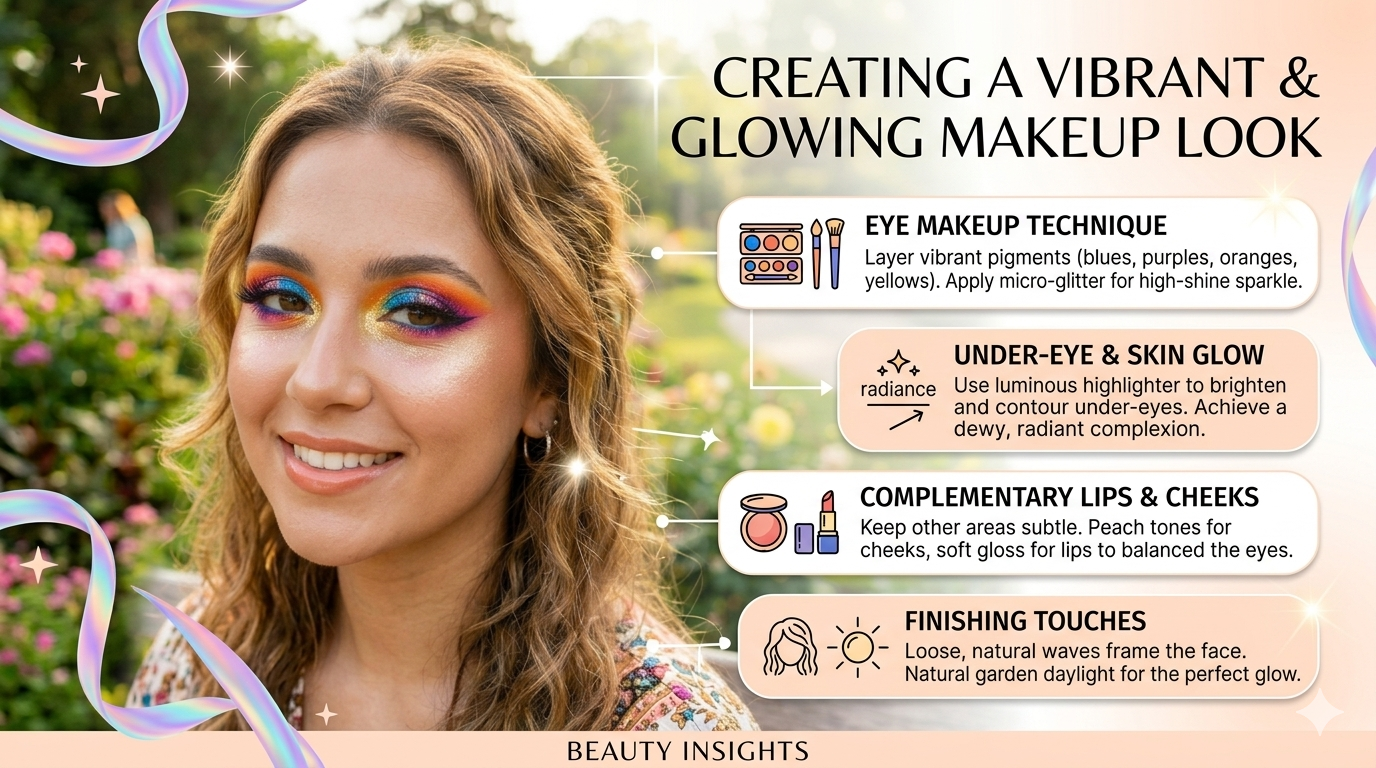
Illustration displaying bright eyeshadow on eyelids and lighter cosmetic beneath the eyes.
Disclaimer
This article is for general informational and educational purposes only. It does not constitute professional medical, ophthalmological, or consumer purchasing advice. References to procedures, products, or clinics do not imply endorsement or guarantee of results. Readers are encouraged to consult licensed eye care professionals and verified resources for vision health decisions.