by Ramil Villar | Mar 16, 2026 | Beauty & Cosmetics
Bold Pigmented Eyeshadow and Glossy Lip Products: An Educational Overview
Understanding color intensity in eye cosmetics and reflective finishes in lip formulations
Eyeshadow and lip cosmetics are commonly used components of makeup routines. These products vary in formulation, pigment concentration, and finish. In the Philippines, cosmetic products are regulated by the Food and Drug Administration Philippines under consumer safety standards including the Consumer Act of the Philippines (RA 7394).
This article provides an informational overview of two commonly referenced cosmetic characteristics: pigmented eyeshadow products and glossy lip formulations. The discussion focuses on definitions, product composition, and typical application tools.
Pigmented Eyeshadow: Product Characteristics
Pigmented eyeshadow refers to eye cosmetic products that contain concentrated colorants designed to produce visible color on the eyelids. Pigments may include mineral-based or synthetic cosmetic colorants permitted for cosmetic use.
Eyeshadow formulations can vary in texture and composition.
Common types include:
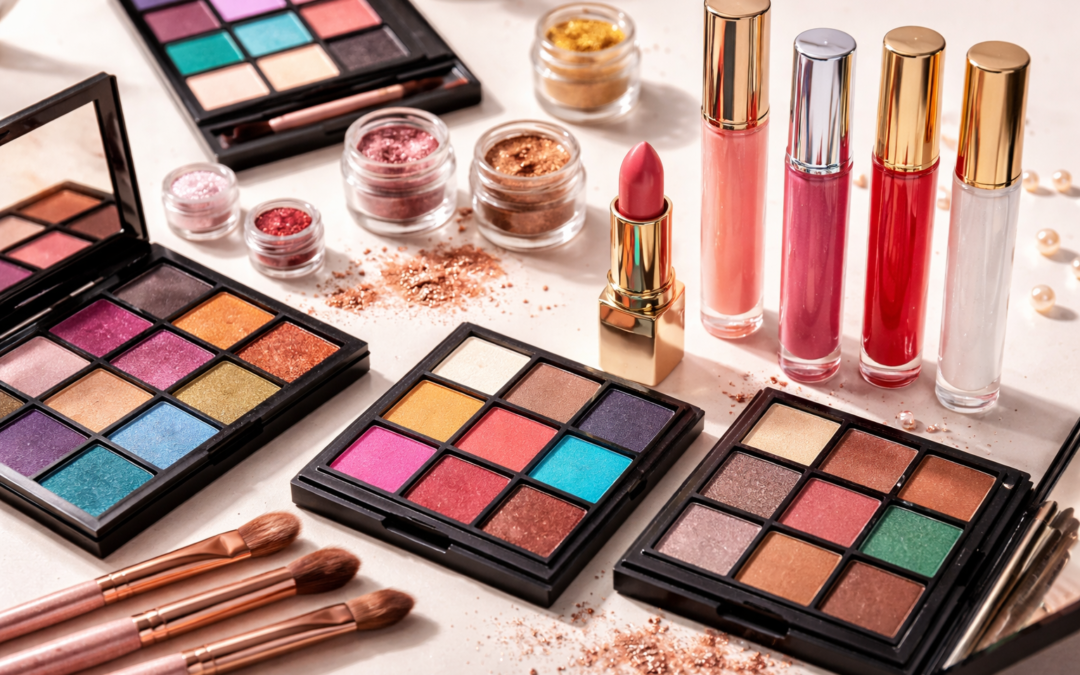
- Pressed powder eyeshadow – compact powder formulas pressed into palettes or pans
- Loose pigment eyeshadow – finely milled powder stored in small containers
- Cream eyeshadow – semi-solid formulas applied with fingers or brushes
- Liquid eyeshadow – fluid formulations that dry after application
Color intensity may vary depending on pigment concentration, formulation, and application technique.
Glossy Lip Products: Reflective Lip Cosmetic Formulations
Glossy lip products are cosmetic formulations designed to create a reflective or shiny surface on the lips. These products often contain emollient ingredients such as oils, waxes, or synthetic polymers that create a smooth surface appearance.
Common glossy lip product types include:
- Lip gloss – transparent or tinted products with a reflective finish
- Gloss-enhanced lipstick – lipstick formulations designed with added shine
- Lip oils – oil-based products with a glossy appearance
Glossy finishes may vary depending on ingredient composition and layering with other lip products.
Application Tools and Methods
Cosmetic products are commonly applied using tools designed to distribute product evenly across the intended area.
Examples include:
Eyeshadow Brushes
Small cosmetic brushes are frequently used for applying and blending eyeshadow on the eyelids.
Applicator Wands
Many lip gloss products include built-in applicator wands designed for controlled application.
Fingertip Application
Some cream or liquid cosmetic products may also be applied using clean fingertips in certain cosmetic routines.
Hygiene Considerations in Eye and Lip Cosmetics
Cosmetic safety literature commonly recommends hygiene practices during makeup use.
Examples include:
- Avoiding the sharing of personal eye or lip cosmetic products
- Cleaning reusable makeup tools regularly
- Closing product containers securely after use
- Checking cosmetic packaging for manufacturer instructions and expiration guidance
Eye-area cosmetics may require particular care due to the sensitivity of the skin around the eyes.
Context: Cosmetic Pigments and Regulatory Oversight
Cosmetic pigments used in eyeshadow and lip products are subject to regulatory oversight in many countries. In the Philippines, the Food and Drug Administration Philippines reviews cosmetic ingredients and monitors products distributed in the market for safety compliance.
Under the Consumer Act of the Philippines (RA 7394), cosmetic manufacturers are required to provide accurate labeling and ingredient information to consumers.
FAQ
What does “pigmented eyeshadow” mean?
Pigmented eyeshadow refers to an eyeshadow product formulated with concentrated colorants that produce visible color when applied to the eyelids.
What creates the glossy effect in lip products?
Glossy lip products typically contain oils, polymers, or waxes that reflect light and create a shiny surface on the lips.
Can glossy lip products be layered with other lip cosmetics?
In some cosmetic routines, lip gloss may be applied alone or layered with other lip products depending on formulation compatibility.
Trusted Sources
- Food and Drug Administration Philippines – Cosmetic safety guidance
- Department of Health Philippines – Public health information
- Cosmetic ingredient safety references and dermatology publications
- International cosmetic science research journals
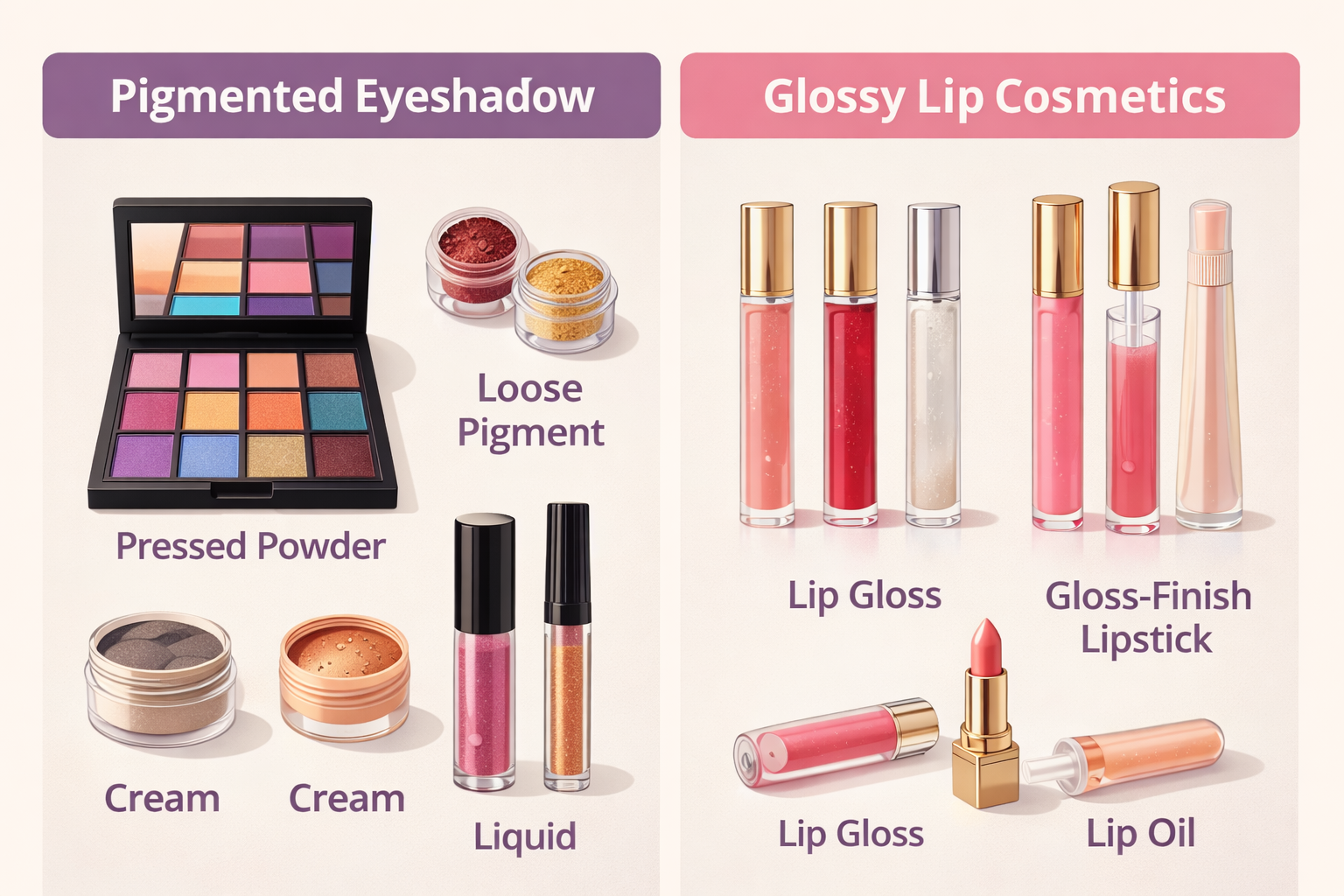
Visual diagram presenting common eyeshadow textures and glossy lip cosmetic formats.
Disclaimer
This article is for general informational and educational purposes only. It does not constitute professional cosmetic, dermatological, or consumer purchasing advice. References to products, routines, or brands do not imply endorsement or guarantee of results. Readers are encouraged to consult licensed professionals and verified resources for cosmetic decisions.
by Ramil Villar | Mar 15, 2026 | Beauty & Cosmetics
Bold Pigmented Eyeshadow and Glossy Lips: A Neutral Overview of a Common Makeup Style
An informational explanation of a cosmetic look that combines highly pigmented eyeshadow with glossy lip products.
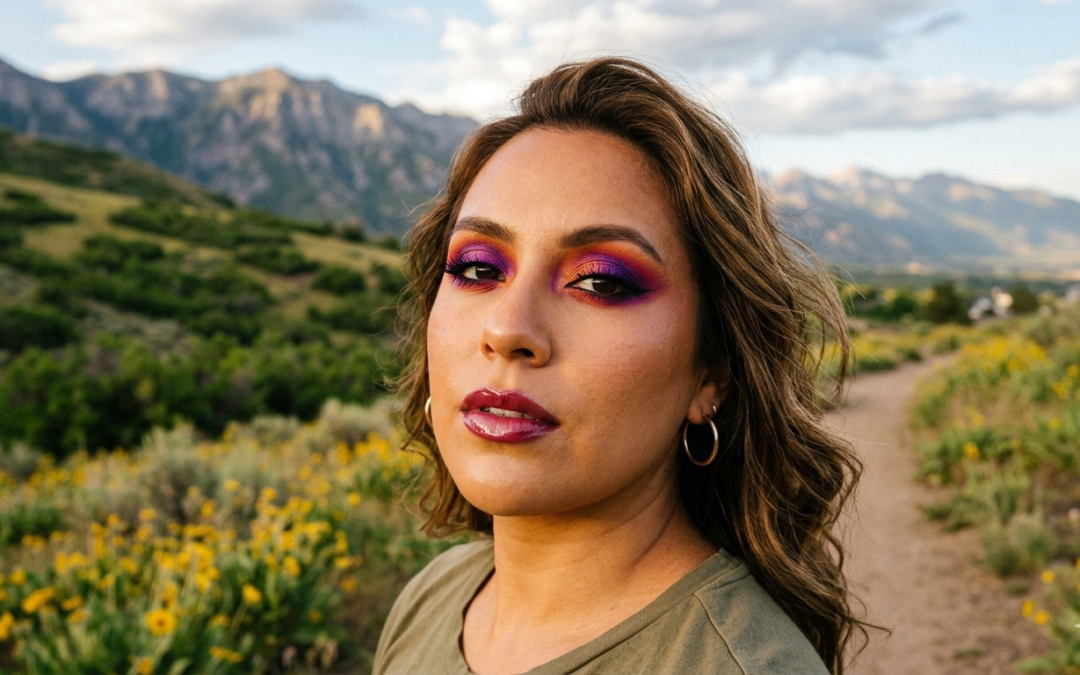
Bold pigmented eyeshadow paired with glossy lip products is a makeup style commonly discussed in beauty media and tutorials. The look typically involves applying eyeshadow with strong color intensity while using a lip product that produces a shiny or reflective finish. This article explains the general characteristics of this cosmetic style, how such products are typically used, and considerations related to eye-area safety and product handling.
What “Bold Pigmented Eyeshadow” Means
In cosmetic terminology, pigmented eyeshadow refers to eyeshadow products formulated to deliver visible color when applied to the eyelids. “Bold” usually describes color choices or application methods that create noticeable contrast or intensity.
Eyeshadow formulas may appear in several forms, including:
- Powder
- Cream
- Liquid
- Stick-based products
Pigmentation levels can vary depending on the formulation, ingredients, and application method. Users may layer or blend colors to achieve different visual effects.
What Is Meant by “Glossy Lips”
Glossy lip products are cosmetic items designed to create a reflective or shiny surface on the lips. These products may include:
- Lip gloss
- Gloss-finish lip balms
- Gloss-topper products applied over lipstick
The reflective finish is usually created through oils, polymers, or emollient ingredients that remain visible on the lip surface.
Combining the Two Elements
The pairing of bold eyeshadow and glossy lips appears frequently in editorial makeup, social media tutorials, and event styling. The style focuses on contrast between:
- Highly visible eye color
- Shiny lip finish
In practice, cosmetic users may apply eyeshadow first and then add a gloss product as a final step. Techniques vary depending on personal preference and the types of products used.
Eye-Area Hygiene and Safety Considerations
The eye area contains delicate tissues and structures such as the eyelids, eyelashes, and tear film. General safety practices when applying eye cosmetics often include:
- Using clean brushes or applicators
- Avoiding product use near irritated or infected eyes
- Checking ingredient lists for potential allergens
- Removing eye makeup carefully at the end of the day
Individuals who wear contact lenses or have sensitive eyes sometimes review product labels or consult eye care professionals regarding compatibility with eye-area cosmetics.
Product Handling and Storage
Cosmetic products may maintain quality when stored according to manufacturer instructions. Typical handling practices include:
- Closing containers tightly after use
- Avoiding sharing eye makeup products
- Replacing products that show changes in odor, texture, or color
These practices can help reduce the risk of contamination.
Context Section
In dermatology and ophthalmology discussions, cosmetics used around the eyes are often evaluated for ingredient safety and proper hygiene. Consumer protection guidelines in the Philippines, including the Consumer Act of the Philippines (RA 7394) and oversight from the Department of Health (DOH) and Food and Drug Administration Philippines (FDA Philippines), address labeling and safety requirements for cosmetic products.
Routine cosmetic use typically involves personal preference in color selection and application style. However, health professionals generally emphasize awareness of eye sensitivity, hygiene practices, and proper product labeling when cosmetics are applied near the eyes.
FAQ
What is pigmented eyeshadow?
Pigmented eyeshadow refers to eyeshadow formulated to show visible color on the eyelids with minimal product. Pigmentation levels vary depending on the ingredients and formulation.
What is lip gloss?
Lip gloss is a cosmetic product designed to create a shiny or reflective appearance on the lips. Many formulas include oils or emollients that produce the glossy surface.
Why are hygiene practices important when using eye cosmetics?
The eye area is sensitive and can be affected by bacteria or product contamination. Clean applicators and proper product storage may help reduce irritation or infection risk.
Trusted Sources
- Department of Health (Philippines) — Public health advisories
- Food and Drug Administration Philippines — Cosmetic safety and labeling guidance
- American Academy of Ophthalmology — Eye health information
- Peer-reviewed dermatology and ophthalmology journals on cosmetic safety
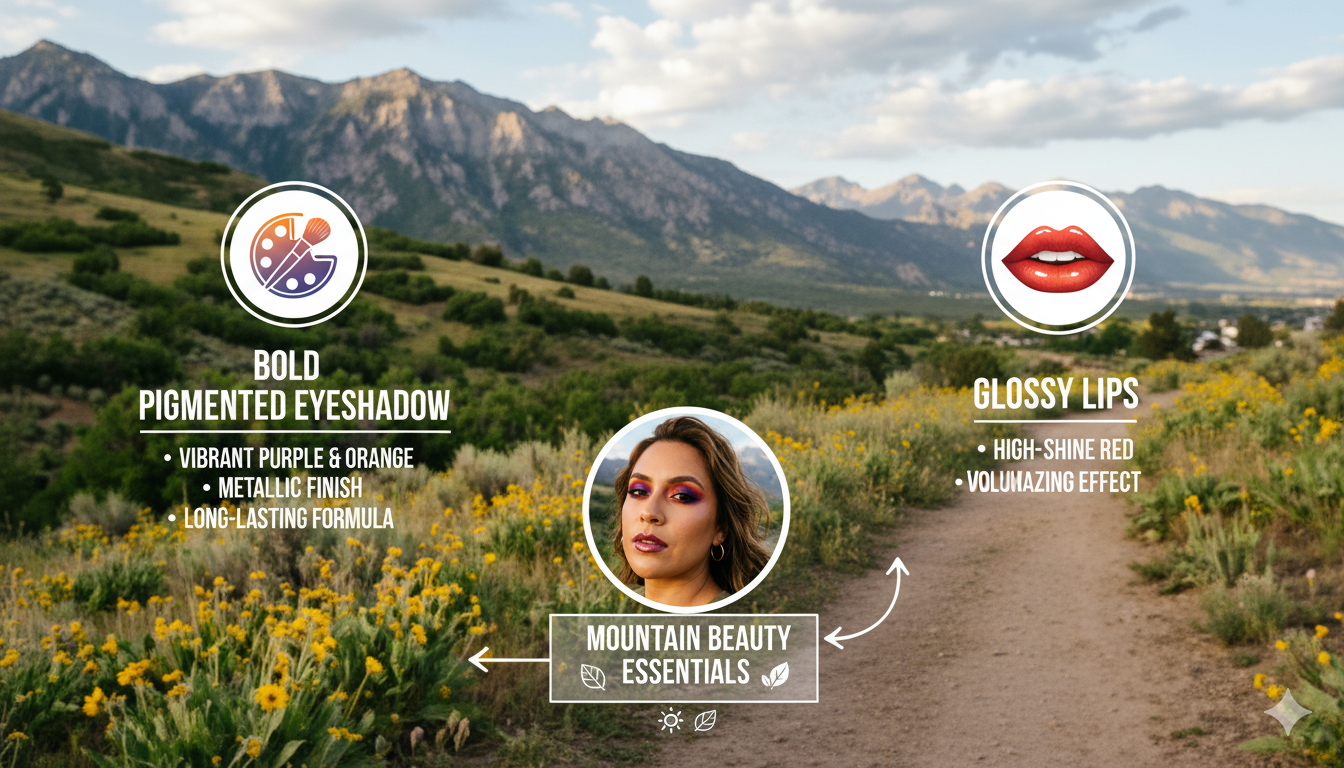
Graphic displaying visual components of pigmented eyeshadow and glossy lip cosmetics.
Disclaimer
This article is for general informational and educational purposes only. It does not constitute professional medical, ophthalmological, or consumer purchasing advice. References to procedures, products, or clinics do not imply endorsement or guarantee of results. Readers are encouraged to consult licensed eye care professionals and verified resources for vision health decisions.

by Ramil Villar | Mar 15, 2026 | Beauty & Cosmetics
Sun-Kissed Skin and Coral Lips: An Educational Overview of Makeup Color Techniques
A neutral explanation of cosmetic color combinations commonly referenced in makeup discussions.
In cosmetic discussions, the phrase “sun-kissed skin and coral lips” is often used to describe a color combination used in makeup application. The phrase generally refers to warm-toned complexion cosmetics paired with coral-colored lip products. These descriptions relate to pigment selection and visual color balance rather than guaranteed appearance outcomes.
Cosmetic products used for these effects fall under regulatory oversight in the Philippines through agencies such as the Food and Drug Administration Philippines, which monitors cosmetic safety and labeling under consumer protection frameworks including the Consumer Act of the Philippines (RA 7394).
This article explains the cosmetic concepts behind warm-toned complexion makeup and coral lip pigments, including the types of products and tools commonly involved.
Understanding the “Sun-Kissed Skin” Color Concept
In cosmetic terminology, “sun-kissed skin” typically refers to the use of warm-toned complexion products that add visible color variation to the face.
Products commonly associated with this effect include:
Bronzer
Bronzer is a cosmetic product containing warm pigments such as brown, copper, or golden tones. It may be applied lightly to areas of the face where light naturally reaches the skin surface, such as the forehead, cheeks, and nose.
Bronzers are manufactured in several formats:
- Pressed powder
- Cream formulas
- Liquid formulations
Highlighter
Highlighter products contain reflective pigments designed to create light-catching areas on the skin surface. These products may include fine mineral or synthetic particles that reflect ambient light.
Highlighters are often applied in small amounts using brushes or fingertip blending.
Understanding Coral Lip Color
Coral is a color category in cosmetics that combines elements of pink, orange, and red pigments. Lip products labeled with coral shades may vary in brightness and undertone depending on formulation.
Common types of coral lip cosmetics include:
- Lipstick
- Lip tint
- Lip gloss
Lip products are typically formulated with a mixture of pigments, waxes, and oils that allow the color to adhere to the lip surface during normal wear.
Tools Commonly Used in Application
Face Brushes
Face brushes are tools with soft bristles designed for distributing powder or cream cosmetics across the skin surface.
Different brush shapes may be used for:
- Bronzer application
- Blush placement
- Highlight blending
Lip Applicators
Lip cosmetics may be applied directly from the product container or with tools such as lip brushes or sponge-tip applicators. These tools help distribute product evenly on the lip surface.
Hygiene and Cosmetic Safety
Dermatology and cosmetic science sources commonly recommend several hygiene practices when using makeup products:
- Cleaning reusable brushes and sponges periodically
- Avoiding sharing lip or eye cosmetics
- Checking packaging for expiration information
- Removing makeup with cleansing products after use
These practices are often discussed in public health materials to reduce the accumulation of microorganisms on cosmetic tools and surfaces.
Context: Color Theory in Cosmetics
Color selection in makeup often draws from basic color theory principles. Warm shades, such as coral or bronze, contain pigments derived from red and orange color families.
In cosmetic formulation and product labeling, pigment combinations are regulated to ensure they meet safety standards established by authorities such as the Food and Drug Administration Philippines and other international cosmetic safety frameworks.
Historically, mineral pigments and plant-derived dyes were used to create warm tones in cosmetic preparations. Modern formulations typically rely on standardized cosmetic pigments tested for safety and stability.
FAQ
What does coral mean in makeup color descriptions?
Coral refers to a color range that blends pink and orange pigments. In cosmetics, the term commonly describes lip or cheek shades within that color family.
What is bronzer used for in makeup?
Bronzer is a cosmetic product containing warm pigments. It is applied to areas of the face to add visible color variation and dimension.
What types of products are used for lip color?
Lip cosmetics include products such as lipstick, lip tint, lip balm with pigment, and lip gloss. These products contain pigments and emollients designed for cosmetic use on the lips.
Trusted Sources
- Food and Drug Administration Philippines – Cosmetic product regulatory guidance
- Department of Health Philippines – Public health information on personal care products
- American Academy of Dermatology – Dermatology education and skin care information
- Peer-reviewed cosmetic science and dermatology publications
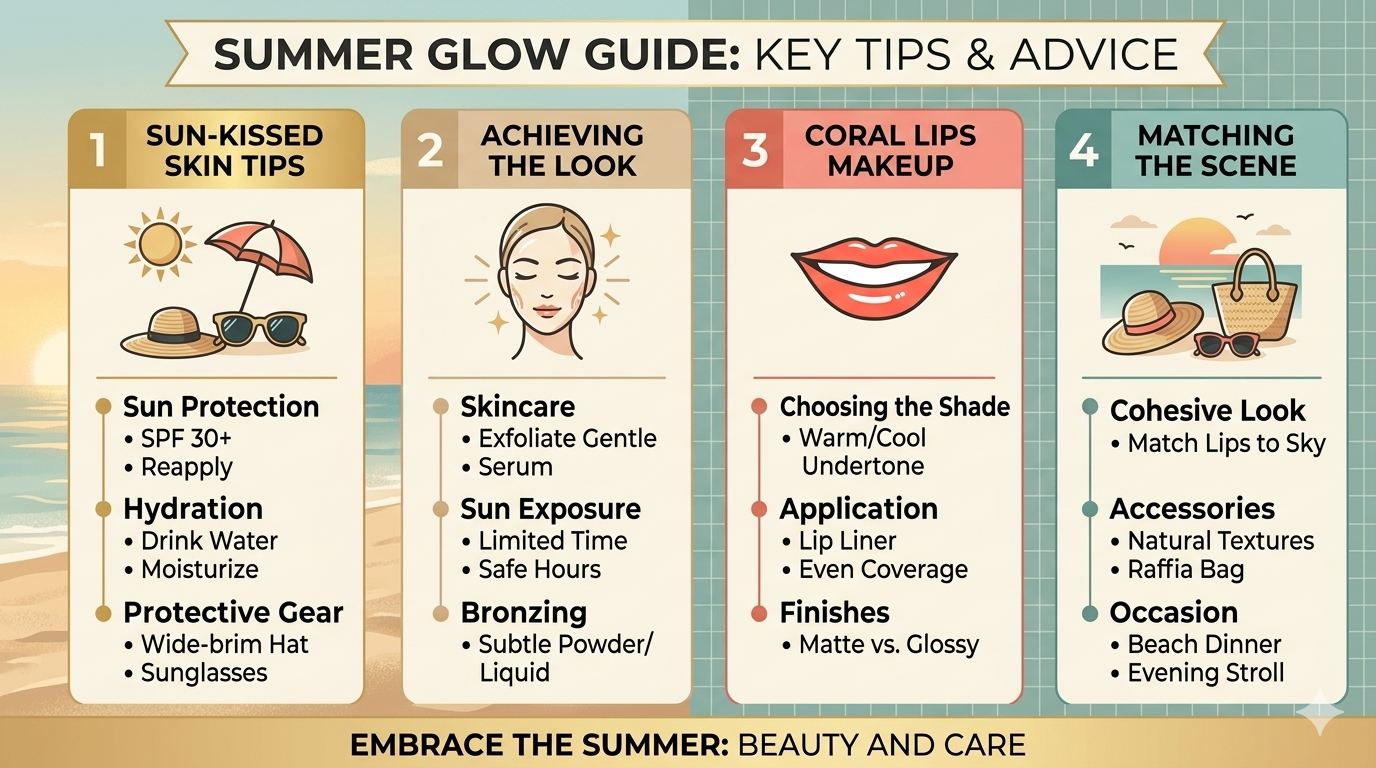
Visual presentation of cosmetic color terminology and pigment groups.
Disclaimer
This article is for general informational and educational purposes only. It does not constitute professional cosmetic, dermatological, or consumer purchasing advice. References to products, routines, or brands do not imply endorsement or guarantee of results. Readers are encouraged to consult licensed professionals and verified resources for cosmetic decisions.

by Ramil Villar | Mar 15, 2026 | Beauty & Cosmetics
Bright Eyeshadow and Soft Glow: Understanding Common Cosmetic Eye Makeup Techniques
A neutral overview of how bright eyeshadow and soft glow finishes are commonly described in cosmetic makeup practices.
Bright eyeshadow and soft glow are descriptive terms used in cosmetic makeup to refer to certain visual styles around the eyes. These techniques typically involve color selection and light-reflective finishes applied to the eyelids or surrounding areas. This article explains what these terms mean in general cosmetic practice, how they are commonly applied, and considerations for safe eye-area cosmetic use.
Bright Eyeshadow: Basic Description
Bright eyeshadow generally refers to eye makeup that uses noticeable or high-intensity colors on the eyelids. These shades may include vivid tones such as blue, pink, gold, green, or purple. The purpose of this technique in cosmetic styling is to add color contrast around the eye area.
Common characteristics include:
- Higher pigment colors compared to neutral shades
- Application on the eyelid using brushes, applicators, or fingertips
- Layering techniques that may combine multiple colors
Makeup guides sometimes describe placement methods such as applying color to the center of the eyelid, outer corner, or crease area. The specific technique can vary depending on the makeup style being demonstrated.
Soft Glow: General Cosmetic Meaning
A soft glow finish typically refers to a subtle reflective effect created using cosmetics designed to reflect light. This effect is often achieved with products such as shimmer eyeshadow, highlighting powder, or light-reflective creams applied near the eyelid or brow bone.
Typical features of a soft glow makeup finish include:
- Mild light reflection rather than strong sparkle
- Thin layers of shimmer or luminous pigments
- Blending techniques intended to soften edges between colors
The visual result is commonly described in makeup education as a gentle light-reflective appearance rather than a matte surface.
Basic Cosmetic Application Considerations
Cosmetic products applied near the eyes should follow general safety practices recommended by health authorities and consumer protection guidelines. These practices typically include:
- Using products labeled for use around the eye area
- Avoiding expired cosmetics
- Cleaning makeup brushes and applicators regularly
- Removing eye makeup before sleeping
Individuals with eye irritation, allergies, or medical eye conditions may require additional caution when using cosmetic products around the eyes.
Context in Cosmetic Education
In cosmetic training materials and beauty education resources, bright eyeshadow and soft glow are described as stylistic makeup approaches rather than medical or vision-related practices. They are part of broader discussions on color theory, blending techniques, and product textures.
Under consumer protection and advertising standards, descriptions of cosmetic makeup effects are generally expected to avoid implying medical or functional eye benefits.
FAQ
What is bright eyeshadow?
Bright eyeshadow refers to eyelid makeup that uses vivid or highly pigmented colors. The term describes color intensity rather than a specific product type.
What does a soft glow finish mean in makeup?
A soft glow finish describes a light-reflective cosmetic effect that produces mild luminosity on the skin around the eyes.
Are all eyeshadows safe for the eye area?
Cosmetic products intended for use near the eyes are usually labeled accordingly. Using products designed specifically for eye-area application helps reduce the risk of irritation.
Trusted Sources
- Philippine Department of Health (DOH) consumer health advisories
- Philippine Food and Drug Administration (FDA) cosmetic product guidelines
- American Academy of Ophthalmology educational materials
- Peer-reviewed literature on cosmetic safety and ocular surface health
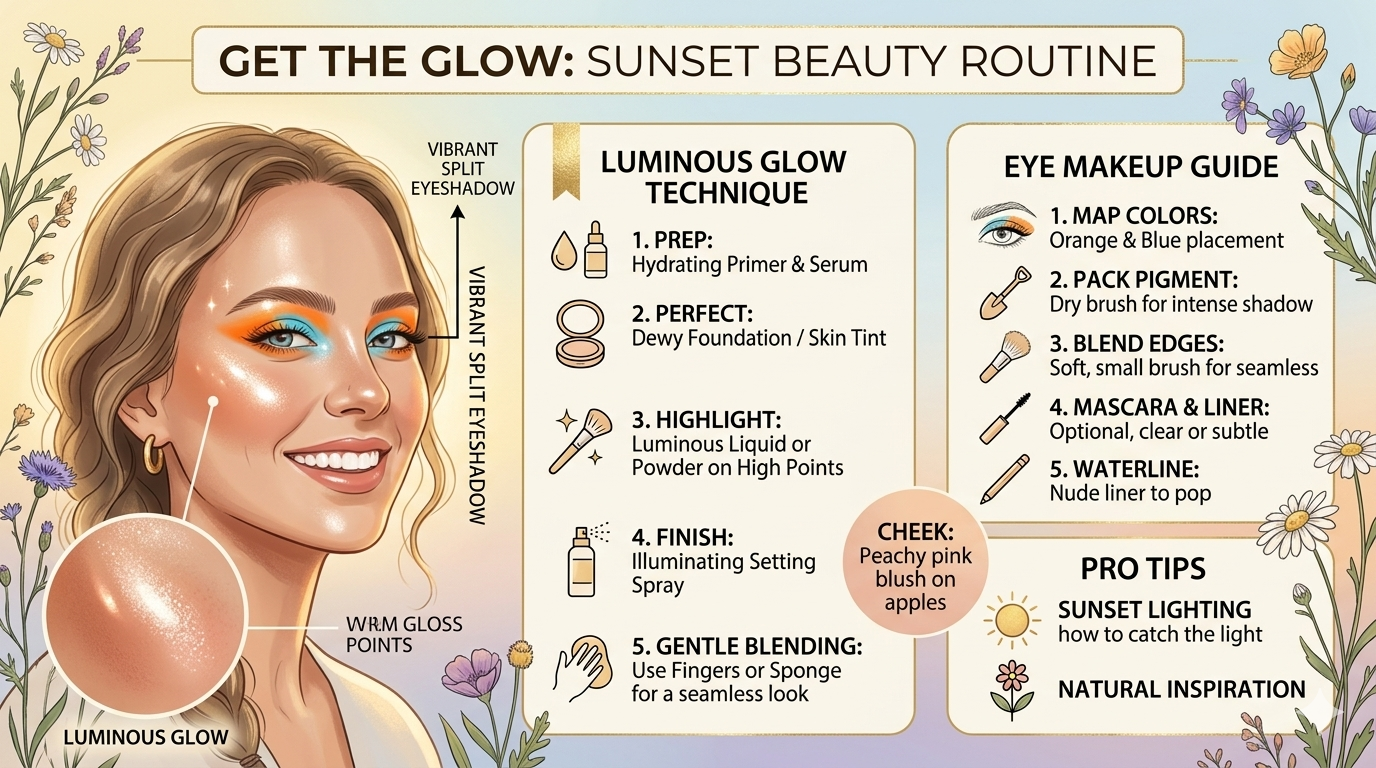
Illustrated graphic showing placement examples of bright eyeshadow colors and soft glow cosmetic finishes.
Disclaimer
This article is for general informational and educational purposes only. It does not constitute professional medical, ophthalmological, or consumer purchasing advice. References to procedures, products, or clinics do not imply endorsement or guarantee of results. Readers are encouraged to consult licensed eye care professionals and verified resources for vision health decisions.

by Ramil Villar | Mar 15, 2026 | Beauty & Cosmetics
Understanding Light Smokey Eye and Fresh Face Makeup Styles: An Educational Overview
A neutral explanation of two commonly referenced cosmetic styling approaches.
In cosmetic practice, makeup styles are often described using informal terms that refer to color placement, product intensity, or overall visual balance. Two commonly mentioned styles in makeup discussions are “light smokey eye” and “fresh face makeup.” These terms describe general approaches to color use and product layering rather than fixed cosmetic standards.
Cosmetic products used in these styles remain subject to regulatory oversight in the Philippines, including product safety and labeling requirements administered by the Food and Drug Administration (FDA Philippines) under provisions of the Consumer Act of the Philippines (RA 7394).
This article provides educational information about what these makeup styles typically involve, the types of cosmetic products used, and the tools often associated with their application.
Light Smokey Eye: General Cosmetic Characteristics
The phrase light smokey eye refers to a makeup approach in which darker or mid-tone eyeshadow colors are softly blended around the eyelids and lash line. The term “smokey” refers to the blended appearance of pigment rather than a specific color requirement.
Products Commonly Used
Cosmetic routines associated with this style may include:
- Eyeshadow in neutral or darker tones
- Eyeliner applied near the lash line
- Mascara for eyelash coating
Typical Application Concept (Educational Example)
- Eyeshadow may be placed across the eyelid and blended outward to soften color edges.
- A darker tone may be applied closer to the lash line or outer eyelid area.
- Eyeliner can be added to define the lash line.
- Mascara is applied to the eyelashes using the product’s applicator brush.
Blending tools such as small eyeshadow brushes or cosmetic sponges are often used to distribute pigment evenly.
Fresh Face Makeup: General Cosmetic Characteristics
The phrase fresh face makeup is commonly used to describe cosmetic routines that involve lighter product layering and neutral color choices. The goal in this context is typically a softer visual effect rather than heavy pigmentation.
Products Commonly Associated With This Style
- Light coverage foundation or tinted cosmetic base
- Concealer applied to specific facial areas
- Blush for gentle color placement on the cheeks
- Lip products with subtle pigmentation
Typical Application Concept (Educational Example)
- A base product such as foundation may be applied across the face using a brush or sponge.
- Concealer may be used in smaller areas where additional coverage is desired.
- Blush can be applied lightly to the cheeks.
- Lip products such as lip balm or lipstick add color to the lips.
The products used in this style may vary depending on cosmetic preferences and available formulations.
Tools Commonly Used for Both Styles
Cosmetic tools often used in eye and face makeup routines include:
- Eyeshadow brushes for precise pigment placement
- Blending brushes designed to soften color transitions
- Makeup sponges used for base product distribution
- Mascara applicator wands included with mascara products
Regular cleaning of makeup tools is recommended in dermatology hygiene guidance to reduce contamination risk.
Context: Cosmetic Style Terminology
In cosmetic education and makeup artistry training materials, style terms such as “smokey eye” or “fresh face” function as descriptive language rather than standardized techniques. The final visual appearance can vary widely depending on color choice, application method, and product formulation.
These terms are commonly used in fashion, theater, photography, and personal grooming contexts to describe general cosmetic approaches.
FAQ
What does “smokey eye” mean in makeup terminology?
A smokey eye refers to a blended eyeshadow technique where pigment is diffused around the eyelids and lash line to create a soft transition between darker and lighter tones.
What is meant by “fresh face makeup”?
Fresh face makeup generally refers to cosmetic routines that involve lighter layering of products and softer color placement.
What tools are commonly used for eyeshadow blending?
Small blending brushes, sponge applicators, and soft eyeshadow brushes are commonly used to distribute pigment across the eyelid.
Trusted Sources
- Food and Drug Administration (FDA Philippines) — Cosmetic Product Safety Guidance
- Department of Health (DOH), Philippines — Consumer Health Information
- International Journal of Cosmetic Science
- American Academy of Dermatology — Skin and Cosmetic Safety Resources
- Society of Cosmetic Chemists — Cosmetic Science Education
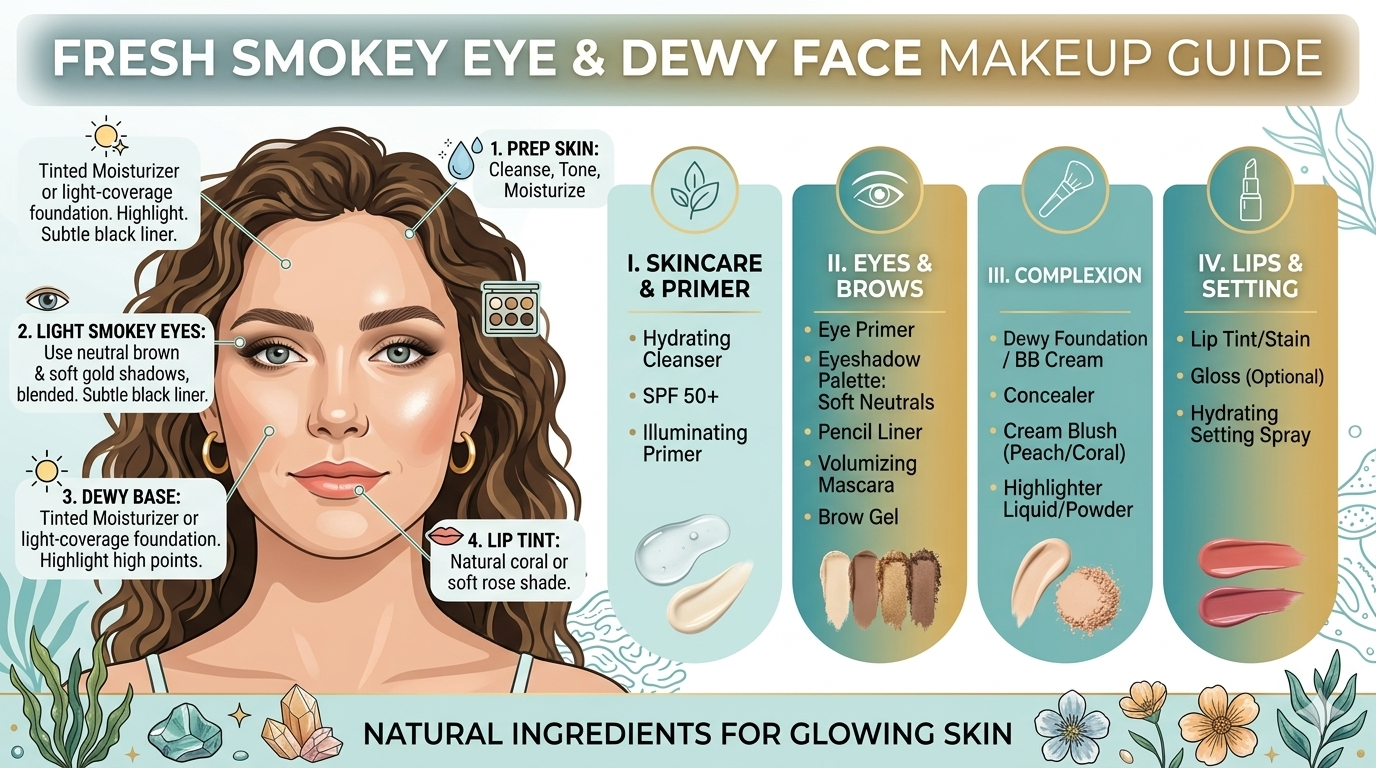
Visual infographic showing cosmetic products and tools associated with two makeup styling approaches.
Disclaimer:
This article is for general informational and educational purposes only. It does not constitute professional cosmetic, dermatological, or consumer purchasing advice. References to products, routines, or brands do not imply endorsement or guarantee of results. Readers are encouraged to consult licensed professionals and verified resources for cosmetic decisions.