by Ramil Villar | Mar 17, 2026 | Skin Care Education
Spring Skin Care: Understanding Seasonal Changes and Lightweight Moisturizers
A Neutral Overview of Skin Maintenance During Warmer Conditions
Seasonal changes, including warmer and more humid conditions often associated with “spring” in some regions, may influence how skin behaves. This article explains how environmental factors can affect the skin and provides an educational overview of lightweight moisturizers and commonly discussed “detox” concepts in skin care. It follows general dermatological guidance and consumer safety standards recognized by regulatory bodies such as the Department of Health (DOH) and the Food and Drug Administration (FDA) in the Philippines.
Understanding Seasonal Skin Changes
Environmental conditions such as temperature, humidity, and sun exposure can affect the skin’s surface:
- Increased humidity may influence oil (sebum) production
- Higher temperatures may contribute to perspiration and surface residue
- Ultraviolet (UV) exposure may affect the outer skin layer
These factors may lead some individuals to adjust their routines for comfort and maintenance.
Clarifying the Term “Skin Detox”
The term “detox” is commonly used in skin care discussions. From a biological perspective:
- The skin does not perform detoxification in the same way as internal organs like the liver or kidneys
- Skin care routines typically focus on cleansing and maintaining the skin barrier
- “Detox” in this context often refers to removing surface impurities such as oil, sweat, and environmental particles
Understanding this distinction helps reduce confusion around product claims and expectations.
Lightweight Moisturizers: General Characteristics
Lightweight moisturizers are commonly used in warmer or more humid conditions. They are typically formulated to provide hydration without a heavy or occlusive texture.
Common Features:
- Water-based or gel-like consistency
- Fast absorption into the skin surface
- Lower oil content compared to thicker creams
Common Ingredient Types:
- Humectants (e.g., glycerin, hyaluronic acid) – attract water to the skin
- Light emollients – help maintain skin smoothness
- Non-occlusive agents – allow the skin to retain moisture without forming a thick barrier
Product formulation and suitability may vary depending on individual skin type.
Basic Skin Care Practices in Warmer Conditions
Skin care routines during warmer periods often focus on maintaining balance:
Cleansing
Removes sweat, oil, and environmental residue that may accumulate throughout the day.
Moisturization
Supports hydration even in humid climates. Lighter formulations are sometimes preferred for comfort.
Sun Protection
Use of sunscreen is commonly included in daytime routines to reduce exposure to ultraviolet radiation.
Hygiene and Product Use
Regular cleaning of personal items (e.g., towels, pillowcases) may help minimize contact with surface impurities.
Hypothetical Example (For Understanding)
An individual living in a humid area may notice increased oiliness during warmer months. They may choose a gel-based moisturizer for a lighter feel compared to heavier creams used in cooler conditions. This example illustrates how environmental context can influence routine adjustments.
Context: Dermatology and Consumer Standards
In dermatology literature, skin care is generally described as supportive maintenance rather than transformation.
Under consumer protection frameworks such as the Consumer Act of the Philippines (RA 7394):
- Product claims must be truthful and not misleading
- Consumers are encouraged to review ingredient lists and verify FDA registration
- Marketing terms like “detox” should be interpreted cautiously and understood in context
These standards promote informed and safe consumer decisions.
FAQ (Educational)
What does “lightweight moisturizer” mean?
It refers to a formulation that provides hydration with a lighter texture, often water-based or gel-like, and may feel less heavy on the skin.
Is “skin detox” medically recognized?
The term is not a formal medical classification in dermatology. It is often used to describe cleansing or simplifying skin care routines.
Can moisturizers be used in humid weather?
Moisturizers are generally used to support hydration. The type of formulation may vary depending on environmental conditions and skin type.
Trusted Sources
- Department of Health (DOH), Philippines
- Food and Drug Administration (FDA), Philippines
- World Health Organization (WHO) – Skin and environmental health resources
- American Academy of Dermatology (AAD)
- Peer-reviewed dermatology journals (e.g., Journal of Dermatological Science)
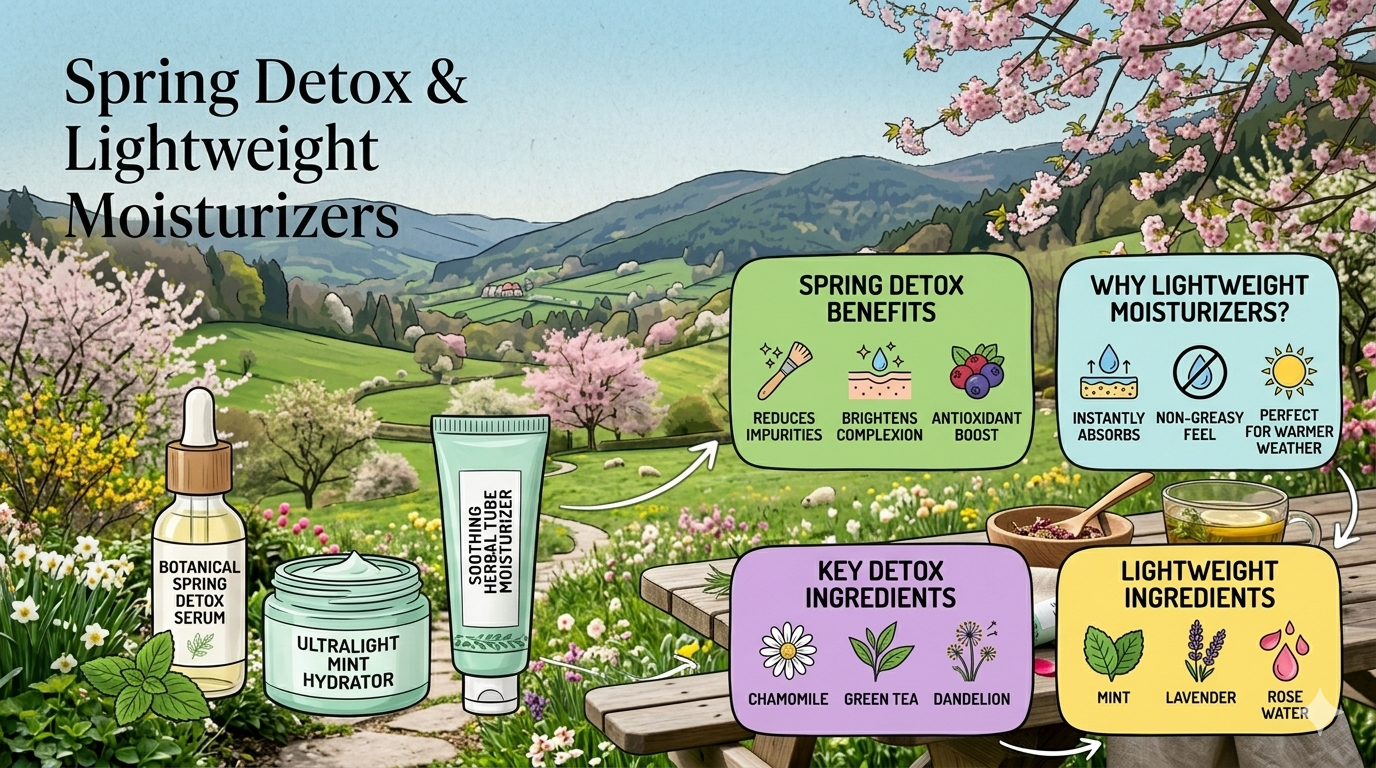
Visual representation of environmental factors and moisturizer formats
Disclaimer
This article is for general informational and educational purposes only. It does not constitute professional medical, dermatological, or consumer purchasing advice. References to products, routines, or treatments do not imply endorsement or guarantee of results. Readers are encouraged to consult licensed dermatologists and verified resources for skin care decisions.
by Ramil Villar | Mar 17, 2026 | Skin Care Education
Spring Detox and Lightweight Moisturizers: Educational Overview of Seasonal Skin Care Adjustments
Seasonal weather changes can influence how the skin interacts with environmental conditions such as temperature, humidity, and sun exposure. As a result, individuals may notice differences in skin comfort, oiliness, or dryness throughout the year.
In skin care discussions, the term “spring detox” is sometimes used informally to describe routine adjustments after colder or drier months. However, in dermatology education, these changes are typically framed more precisely as modifications in cleansing habits, hydration levels, and product textures rather than any form of medical detoxification.
In the Philippines and other regions, consumer protection and cosmetic safety are guided by agencies such as the Department of Health (DOH) and the Food and Drug Administration (FDA Philippines). Consequently, educational resources often emphasize safe product use, awareness of ingredients, and careful evaluation of marketing claims.
This article explains how seasonal shifts may influence skin care habits. In addition, it outlines how lightweight moisturizers are described in dermatology and cosmetic science literature.
Understanding Seasonal Skin Care Changes
Skin functions as a protective barrier between the body and the environment. Because of this role, changes in humidity, temperature, and sun exposure may influence how individuals perceive hydration and overall comfort.
During warmer or more humid periods, some people choose to adjust their routines. For example, these adjustments may include:
- Using lighter product textures
- Cleansing more frequently to remove sweat and environmental residue
- Maintaining hydration through appropriate moisturizers
Although the phrase “spring detox” is widely used in consumer discussions, it does not refer to a medical detoxification process. Instead, it typically describes simplifying or reorganizing a routine in response to seasonal conditions.
What Are Lightweight Moisturizers?
Lightweight moisturizers are topical skin care products formulated with textures designed to absorb quickly into the skin’s outer layer. In cosmetic science, several common formulations are described:
- Gel moisturizers: Water-based formulations that spread easily and are often designed for quick absorption
- Lotion moisturizers: Emulsions containing water and oils in lighter ratios compared with creams
- Water-based serums: Products with concentrated ingredients dissolved in water-based solutions
These formulations are often discussed in the context of warmer weather. In particular, some individuals prefer products that feel less heavy on the skin surface during humid conditions.
Role of Moisturization in Skin Care
Moisturizers are designed to support hydration in the outermost layer of the skin, known as the stratum corneum. According to dermatology references, three main types of moisturizing ingredients are commonly identified:
- Humectants: Attract water to the skin’s surface
- Emollients: Help smooth the skin by filling gaps between surface cells
- Occlusives: Reduce water loss by forming a protective barrier
Different product textures may combine these ingredient types in varying proportions. Therefore, the choice of moisturizer often depends on personal preference and environmental conditions.
Example of Seasonal Routine Adjustment (Hypothetical)
Educational materials sometimes illustrate seasonal changes through hypothetical scenarios. For instance, an individual who used thicker cream-based moisturizers during cooler months may consider switching to a lighter lotion or gel during warmer periods.
This adjustment is typically based on comfort, humidity levels, or personal preference rather than medical necessity. Nevertheless, skin responses to seasonal changes can vary widely among individuals.
Context: Dermatology and Cosmetic Product Use
In dermatology and cosmetic science, routine skin care generally focuses on three core areas:
- Cleansing to remove environmental debris
- Moisturization to support the skin barrier
- Sun protection to reduce ultraviolet exposure
Under consumer protection standards such as the Philippine Consumer Act (RA 7394), cosmetic claims must avoid misleading statements. Similarly, organizations like the World Health Organization (WHO) provide educational information on environmental factors such as ultraviolet exposure. For this reason, consumers are encouraged to review ingredient labels and rely on verified sources.
FAQ
What does “spring detox” mean in skin care discussions?
The phrase is used informally to describe seasonal adjustments to routines. Importantly, it does not refer to a medical detoxification process.
What is a lightweight moisturizer?
A lightweight moisturizer is a topical product with a lighter texture, such as a gel or lotion, designed to spread easily and absorb into the outer skin layer.
Why do some people change skin care products with the seasons?
Seasonal changes in humidity and temperature may influence comfort and preferences. As a result, some individuals choose different product textures.
Trusted Sources
- Philippine Department of Health (DOH) public health advisories
- Food and Drug Administration Philippines (FDA) cosmetic guidance
- American Academy of Dermatology educational resources
- World Health Organization (WHO) information on ultraviolet exposure
- Peer-reviewed dermatology and cosmetic science journals
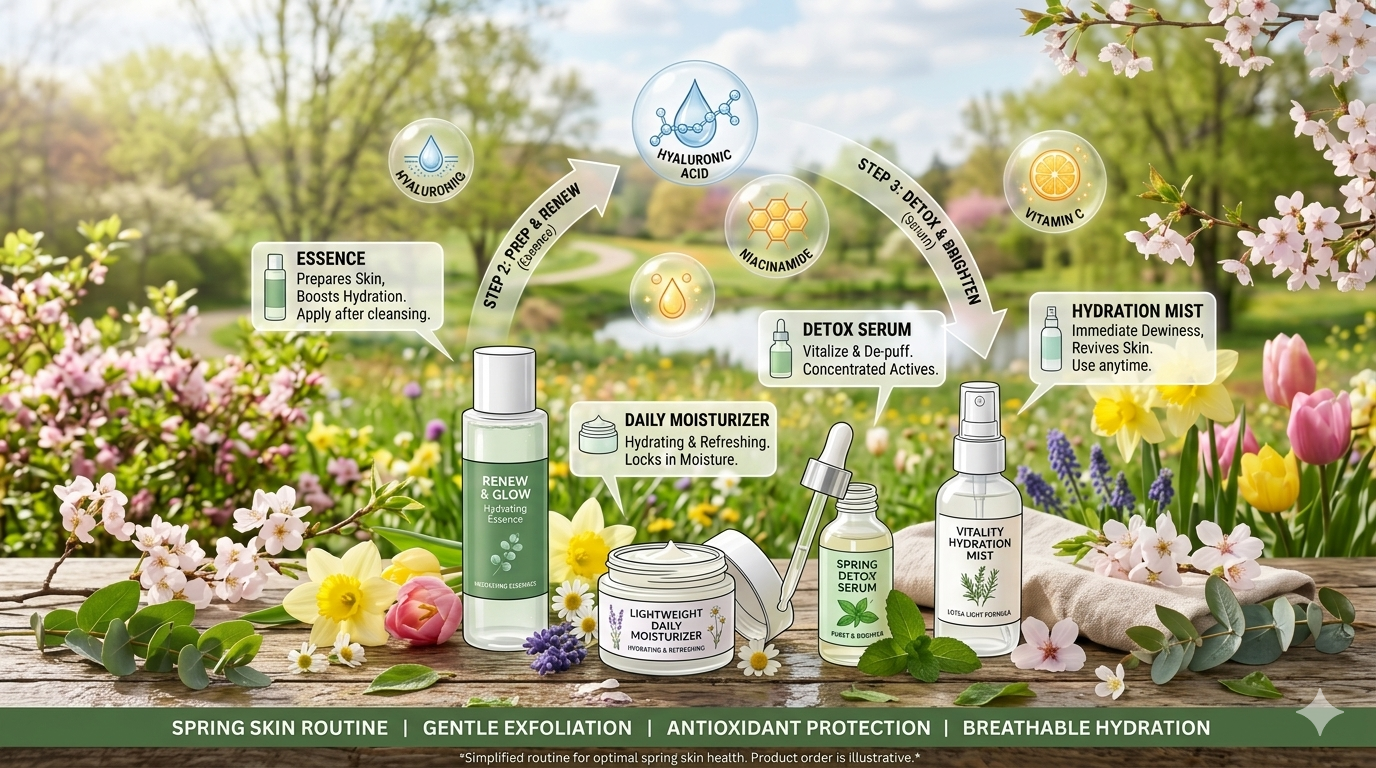
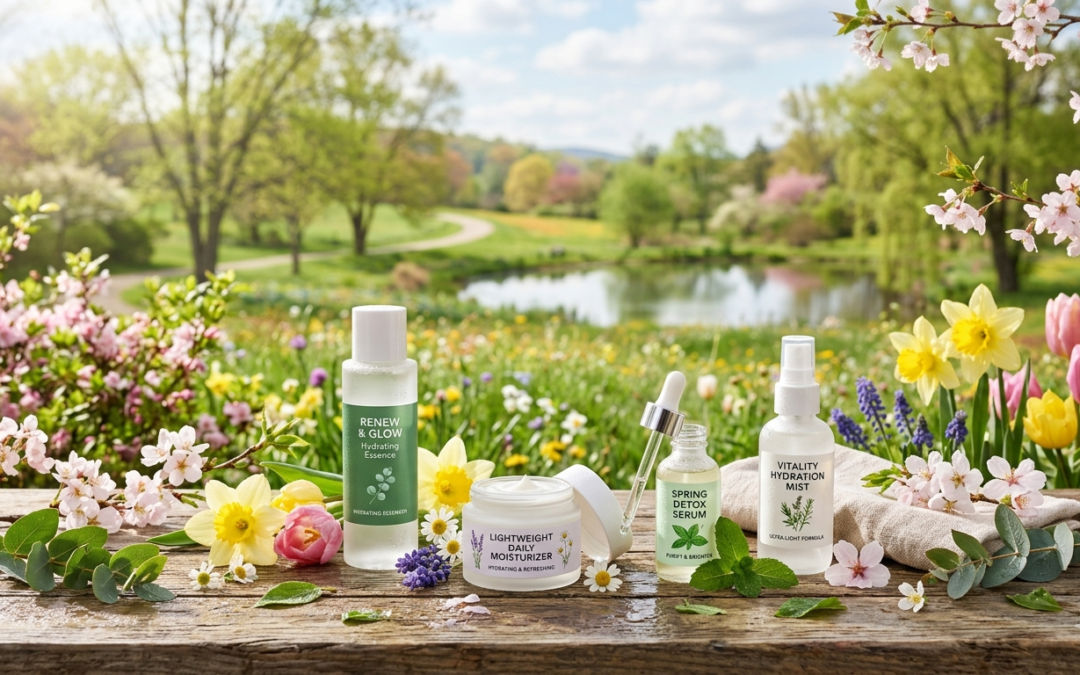
Visual chart outlining moisturizer texture categories and common seasonal routine components.
Disclaimer
This article is for general informational and educational purposes only. It does not constitute professional medical, dermatological, or consumer purchasing advice. Furthermore, references to products or routines do not imply endorsement or guaranteed results. Readers are encouraged to consult licensed dermatologists and verified resources when making skin care decisions.
by Ramil Villar | Mar 16, 2026 | Skin Care Education
Hydrating and Brightening Masks: An Educational Overview of Skin Care Masks
A neutral explanation of how hydrating and brightening masks are used in skin care routines and the ingredients commonly associated with these categories.
Hydrating and brightening masks are topical skin care products designed to remain on the skin for a limited period before removal or absorption. These masks are commonly discussed in cosmetic skin care routines that aim to support moisture balance and skin surface appearance. In the Philippines, cosmetic products are regulated by the Food and Drug Administration (FDA Philippines) under health and consumer protection frameworks. This article explains the general functions of hydrating and brightening masks, common ingredients used in these formulations, and considerations related to safe consumer use.
What Skin Care Masks Are
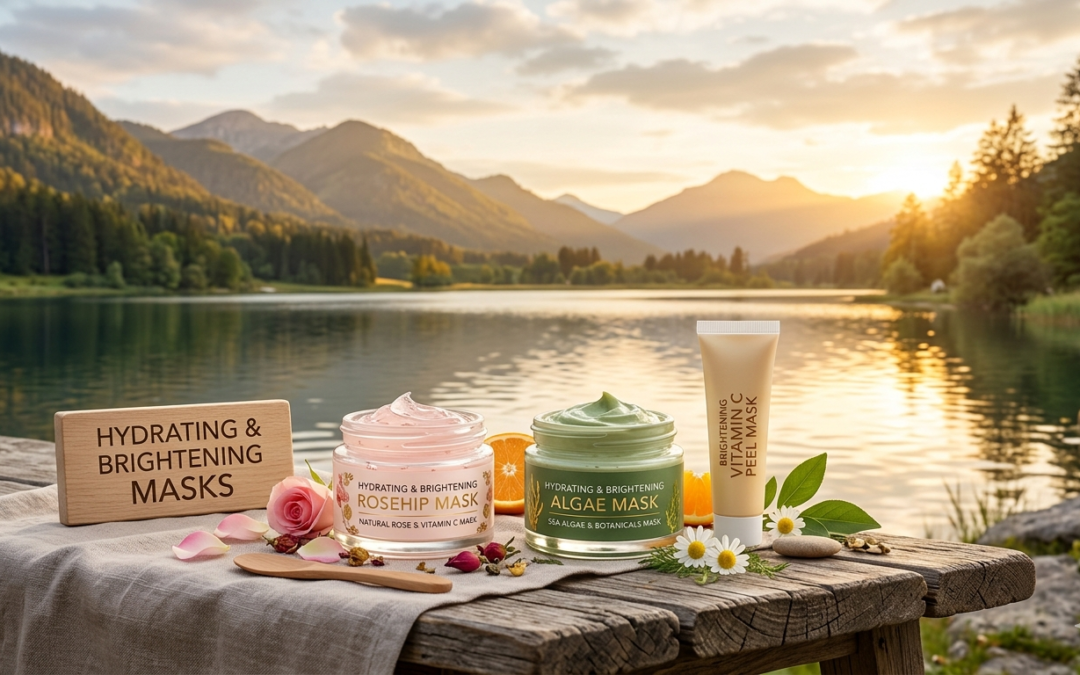
Skin care masks are cosmetic formulations applied to the face or other areas of skin for a short duration. They may come in several forms, including:
- Cream-based masks
- Gel masks
- Sheet masks
- Clay-based masks
The formulation and ingredients influence how the mask interacts with the outer layer of the skin, known as the stratum corneum, which helps regulate moisture and acts as a protective barrier.
Hydrating Masks
Hydrating masks are typically formulated to support the moisture content of the skin’s outer layer. Moisture in the skin is influenced by environmental exposure, cleansing practices, and natural skin characteristics.
Ingredients commonly associated with hydrating masks include:
- Humectants such as glycerin and hyaluronic acid, which attract water to the skin surface
- Emollients such as plant oils or fatty alcohols, which may help soften the skin surface
- Occlusive agents such as certain waxes or silicones that reduce water loss from the skin
Hydrating masks are usually left on the skin for a specified time indicated by product instructions.
Brightening Masks
In cosmetic terminology, “brightening” generally refers to improving the appearance of uneven skin tone or surface dullness. This term does not indicate medical treatment or guaranteed changes in pigmentation.
Brightening masks may include ingredients that support gentle surface renewal or optical light reflection. Examples sometimes listed in product ingredient labels include:
- Niacinamide (Vitamin B3)
- Vitamin C derivatives
- Alpha hydroxy acids (AHAs) in low cosmetic concentrations
- Botanical extracts such as licorice root or rice extract
These ingredients are used in cosmetic formulations to support surface clarity or to address visible dullness through exfoliation or hydration.
Typical Use in Skin Care Routines
In general cosmetic routines, masks are used intermittently rather than as daily core products. Application practices commonly described in consumer guides include:
- Cleansing the skin before application
- Applying the mask according to manufacturer instructions
- Leaving the mask on for the recommended duration
- Rinsing or removing the product if required
The frequency of use varies depending on the formulation and individual skin characteristics.
Consumer Safety Considerations
Cosmetic masks are regulated differently from medical treatments. Consumers are encouraged to review product labels and follow instructions provided by manufacturers.
General precautions may include:
- Performing a patch test when trying a new product
- Avoiding use on broken or irritated skin
- Discontinuing use if irritation occurs
- Checking ingredient lists for substances known to cause sensitivity
In the Philippines, cosmetic products must comply with ASEAN Cosmetic Directive standards and must be notified with the FDA before distribution.
Context Section
In dermatology literature, the outer layer of the skin plays an important role in maintaining hydration and protecting underlying tissues. Cosmetic products such as masks are designed to interact primarily with this surface layer.
Under consumer protection and cosmetic safety standards, cosmetic products are expected to be marketed without therapeutic claims unless supported by medical regulatory approval. As a result, terms like “hydrating” or “brightening” in cosmetics typically describe general appearance-related characteristics rather than medical outcomes.
FAQ
What is a hydrating mask?
A hydrating mask is a cosmetic product designed to support moisture levels in the outer layer of the skin. These masks often contain humectants or emollients that interact with the skin surface.
What does “brightening” mean in skin care products?
In cosmetic terminology, brightening refers to improving the appearance of dull or uneven skin tone. The term does not indicate medical treatment of pigmentation conditions.
How often are skin care masks typically used?
Many cosmetic guides describe masks as occasional treatments used alongside basic routines such as cleansing and moisturizing. Frequency varies depending on product formulation and skin sensitivity.
Trusted Sources
- Philippine Department of Health (DOH) – Consumer health advisories
- FDA Philippines – Cosmetic product regulation and safety notifications
- American Academy of Dermatology (AAD) educational resources
- International Journal of Cosmetic Science
- ASEAN Cosmetic Directive safety guidelines
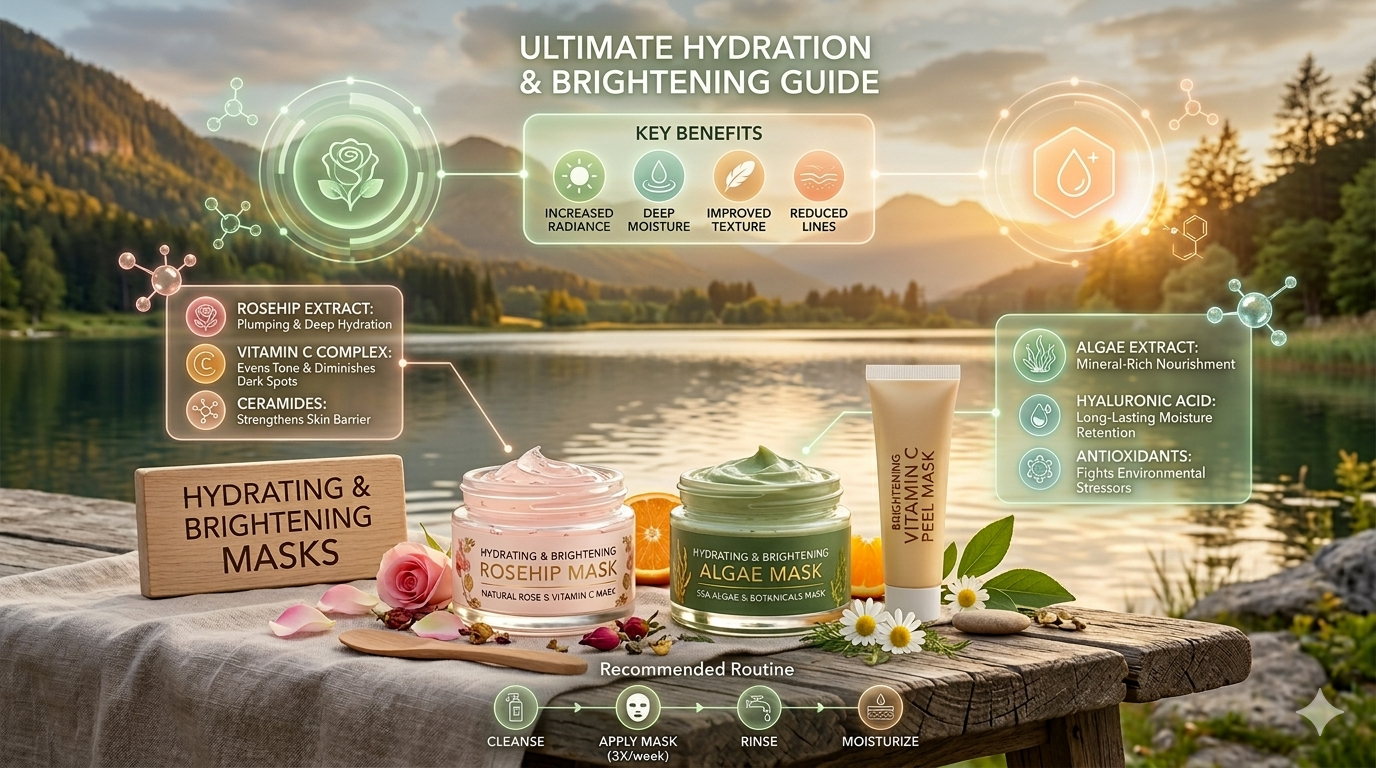
Infographic presenting facial mask formats and ingredient group labels.
Disclaimer
This article is for general informational and educational purposes only. It does not constitute professional medical, dermatological, or consumer purchasing advice. References to products, routines, or treatments do not imply endorsement or guarantee of results. Readers are encouraged to consult licensed dermatologists and verified resources for skin care decisions.

by Ramil Villar | Mar 16, 2026 | Skin Care Education
Understanding “Pastel Glow” and Anti-Pollution Skin Care
An Educational Overview of Skin Appearance and Environmental Exposure
Skin care discussions sometimes use descriptive phrases such as “pastel glow” to refer to a soft, even-looking skin appearance. At the same time, anti-pollution skin care refers to practices intended to help protect skin from environmental factors such as air pollutants and particulate matter. This article provides a neutral explanation of these concepts, along with basic information about skin function and preventive skin care practices. References to health guidance may align with public information provided by institutions such as the Department of Health (Philippines) and the Food and Drug Administration Philippines.
Skin Appearance and the Term “Pastel Glow”
The phrase “pastel glow” is commonly used in skin care discussions to describe a visual impression of skin that appears smooth, softly illuminated, and evenly toned. The term is descriptive rather than scientific. It does not correspond to a specific dermatological condition or measurable skin parameter.
Several normal biological factors influence how skin appears under natural or artificial light, including:
- Hydration levels in the outer skin layer
- Distribution of natural skin pigments
- Surface texture of the skin barrier
- Reflection of light from the skin’s surface
Variations in these characteristics are common across individuals and can change due to climate, environmental exposure, or routine skin care practices.
Environmental Pollution and Skin Exposure
Urban environments may contain airborne pollutants such as particulate matter, vehicle emissions, and industrial by-products. These particles can come into contact with the outermost skin layer.
Dermatology research has examined possible interactions between pollutants and the skin barrier. Environmental exposure may contribute to factors such as:
- Accumulation of particles on the skin surface
- Oxidative stress processes in skin cells
- Changes in the skin barrier’s protective function
The degree of impact can vary depending on environmental conditions, individual skin type, and daily habits such as cleansing or sun protection.
Preventive Skin Care Practices in Polluted Environments
Preventive skin care focuses on maintaining the integrity of the skin barrier and supporting general skin hygiene. Educational dermatology resources often mention the following routine practices:
Gentle Cleansing
Cleansing may remove dirt, sweat, and environmental particles from the skin surface.
Moisturization
Moisturizers help maintain hydration in the outer skin layer and support the skin barrier.
Sun Protection
Sunscreen and protective clothing are commonly discussed in public health guidance regarding ultraviolet (UV) exposure.
Environmental Awareness
Limiting prolonged exposure to heavily polluted environments, when possible, may reduce the amount of airborne particles contacting the skin.
These practices are generally discussed as preventive or maintenance measures rather than methods for producing a specific visual outcome.
Understanding Anti-Pollution Skin Care
The phrase “anti-pollution skin care” is frequently used in product marketing and educational discussions to describe formulations or routines intended to address environmental exposure.
In dermatology literature, this concept may involve ingredients or formulations designed to:
- Support the skin barrier
- Provide antioxidant activity in laboratory settings
- Assist with removal of surface pollutants during cleansing
The effectiveness of individual products can vary depending on formulation, usage conditions, and personal skin characteristics. Regulatory authorities such as the Food and Drug Administration Philippines oversee safety and labeling standards for cosmetic products sold in the Philippines.
Context: Skin Care and Consumer Awareness
Under consumer protection laws such as the Consumer Act of the Philippines (RA 7394), cosmetic and personal care products are required to follow truthful labeling and advertising standards. These regulations aim to reduce misleading claims and ensure that product information is presented transparently.
Dermatology and cosmetic science research often emphasize that skin care routines are influenced by multiple factors, including climate, genetics, lifestyle, and environmental exposure. As a result, outcomes associated with skin care practices can vary between individuals.
FAQ
What does “anti-pollution skin care” mean?
Anti-pollution skin care generally refers to routines or products intended to help manage exposure to environmental pollutants. The term is descriptive and may involve cleansing, barrier support, and skin maintenance practices.
What factors influence how skin reflects light?
Skin hydration, surface texture, natural oils, and pigment distribution can affect how light reflects from the skin. These factors contribute to the visual appearance of skin under different lighting conditions.
Are environmental pollutants harmful to skin?
Research in dermatology has explored possible effects of pollutants on the skin barrier and oxidative processes. The extent of interaction can depend on exposure levels, individual skin characteristics, and daily skin care practices.
Trusted Sources
- Department of Health (Philippines) — public health advisories
- Food and Drug Administration Philippines — cosmetic regulation and safety information
- American Academy of Dermatology — dermatology education resources
- Peer-reviewed journals in dermatology and cosmetic science
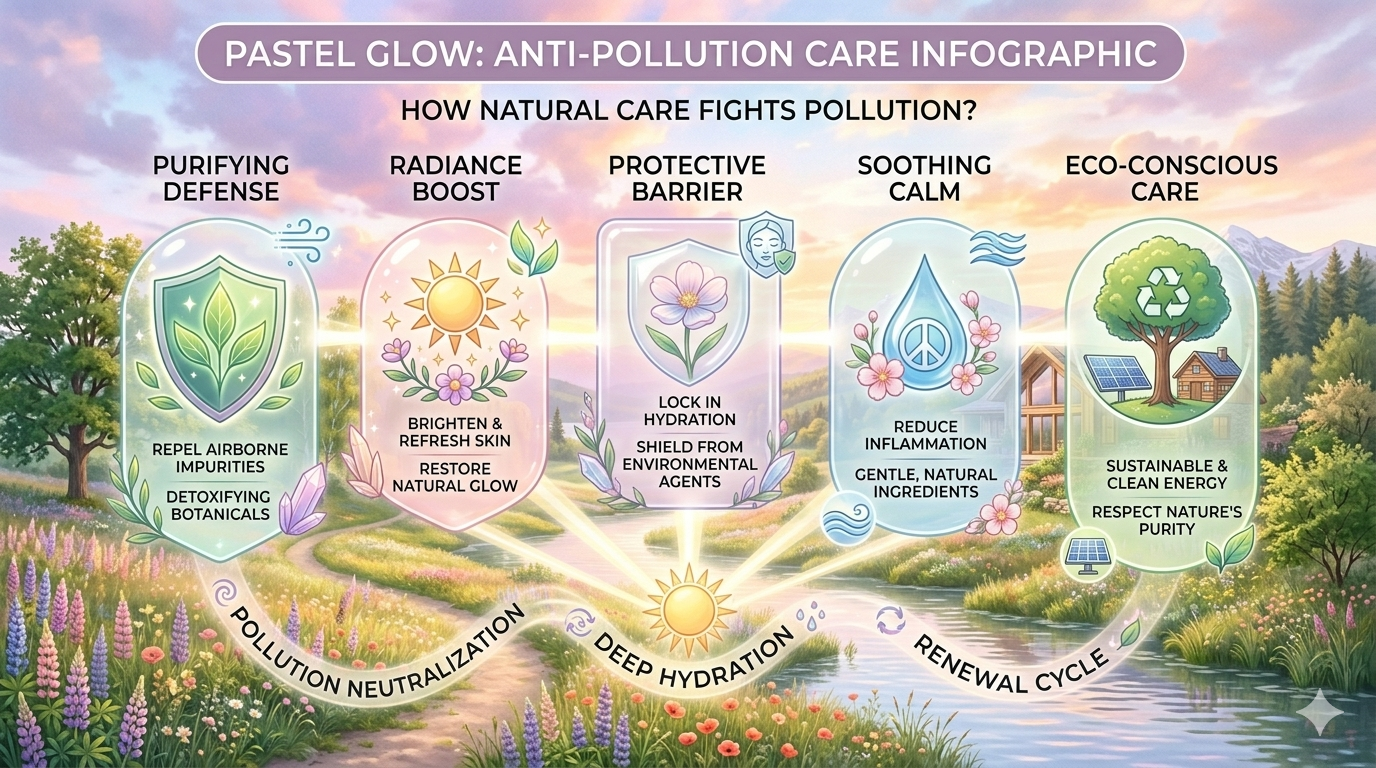
Illustrated diagram showing environmental elements and simplified skin surface layers.
Disclaimer
This article is for general informational and educational purposes only. It does not constitute professional medical, dermatological, or consumer purchasing advice. References to products, routines, or treatments do not imply endorsement or guarantee of results. Readers are encouraged to consult licensed dermatologists and verified resources for skin care decisions.
by Ramil Villar | Mar 16, 2026 | Skin Care Education
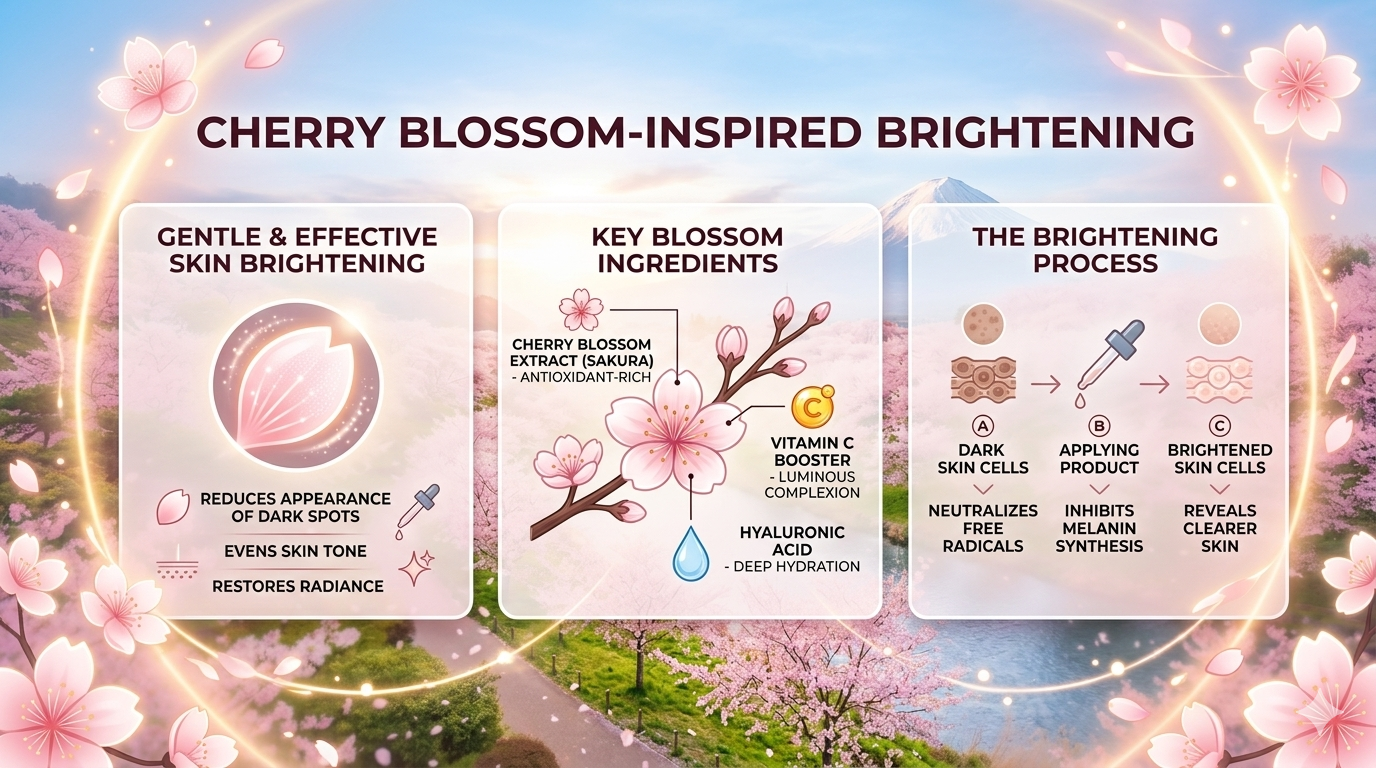
Visual layout of cherry blossom inspired cosmetic design components
Cherry Blossom–Inspired Brightening: Educational Overview of Botanical Skin Care Concepts
An informational explanation of how botanical themes such as cherry blossom are referenced in cosmetic formulations.
Cherry blossom serves as a botanical reference in some cosmetic and skin care formulations. Product descriptions commonly use the term to describe extracts derived from blossoms of trees in the Prunus genus. Educational discussions focus on the general properties of these ingredients, their historical role in cosmetic traditions, and the ways formulators incorporate botanical extracts into topical products. In the Philippines, agencies such as the Department of Health (DOH) and the Food and Drug Administration (FDA Philippines) regulate cosmetic products and ingredients distributed in the market.
This article explains the term “cherry blossom–inspired brightening” in a neutral manner, including how skin care brands use the concept and what consumers can learn about botanical extracts in cosmetics.
Botanical Background of Cherry Blossom
Cherry blossoms are the flowers of certain tree species within the Prunus genus. These trees include ornamental flowering varieties known for their seasonal blooms in various regions of the world.
In cosmetic science, manufacturers sometimes include plant-derived extracts in formulations. They obtain these extracts through processes such as water extraction, solvent extraction, or infusion. These processes can yield ingredients containing compounds like flavonoids and phenolic substances, which researchers study in botanical and cosmetic science.
The concentration and composition of these compounds vary depending on the extraction method and the source plant material.
Use of Botanical Extracts in Cosmetic Formulations
Cosmetic formulators combine plant-derived ingredients with components such as humectants, emollients, preservatives, and stabilizers. They may include botanical extracts for several purposes, including:
- Supporting the formulation’s texture or sensory qualities
- Adding plant-derived compounds studied in cosmetic science
- Providing fragrance or reinforcing a botanical theme
Manufacturers list ingredients on cosmetic packaging using standardized naming systems such as the International Nomenclature of Cosmetic Ingredients (INCI). This system helps consumers identify plant-based components in products.
Understanding the Term “Brightening” in Cosmetic Context
In cosmetic labeling, companies use the term “brightening” to describe products that aim to affect the appearance of skin tone or surface clarity. In consumer education, experts often explain that this term relates to visual changes rather than permanent structural effects on the skin.
Cosmetic science literature links the appearance of brightness to factors such as:
- Hydration of the outer skin layer
- Light reflection from the skin surface
- Removal of surface debris through cleansing or exfoliation
Manufacturers and consumers may interpret cosmetic terminology differently. For this reason, regulatory bodies emphasize clear labeling and ingredient transparency to protect consumers.
Hypothetical Example for Context
Consider a hypothetical cosmetic formulation that includes cherry blossom extract along with moisturizing agents and stabilizers. In this case, the botanical extract contributes to the product’s identity or formulation profile, while other ingredients provide hydration or influence texture.
This example shows how formulators typically combine botanical themes with multiple components rather than relying on a single ingredient as the primary functional factor.
Context: Consumer Awareness and Ingredient Transparency
Consumer protection frameworks highlight the importance of accurate labeling and responsible marketing in cosmetics. In the Philippines, manufacturers and distributors must follow regulations on product notification, ingredient disclosure, and labeling practices.
Educational resources in dermatology and cosmetic science encourage consumers to:
- Review ingredient lists carefully
- Understand labeling terminology
- Seek professional guidance when evaluating products or addressing skin concerns
Frequently Asked Questions
What is cherry blossom extract in cosmetics?
Cherry blossom extract is a plant-derived ingredient obtained from blossoms of certain Prunus species. It appears in ingredient lists under standardized names.
What does “brightening” mean in cosmetic descriptions?
In cosmetics, “brightening” refers to improvements in the skin’s visual appearance, such as enhanced clarity or light reflection.
Do skin care products commonly include botanical ingredients?
Yes. Many formulations include plant-derived extracts alongside other ingredients to contribute to composition, fragrance, or product identity.
Trusted Sources
- Philippine Department of Health (DOH) public health advisories
- Food and Drug Administration Philippines (FDA) cosmetic regulatory guidance
- International Journal of Cosmetic Science
- American Academy of Dermatology educational resources
- Cosmetic Ingredient Review (CIR) safety assessments
Disclaimer
This article provides general educational information only. It does not offer medical, dermatological, or purchasing advice. It does not imply endorsement or guarantee results for any products, routines, or treatments. Readers should consult licensed dermatologists or qualified professionals for personalized guidance.