
by Ramil Villar | Mar 19, 2026 | Awareness
Gentle Nose Refinement Procedures for Spring: An Educational Overview
A neutral guide to subtle nose enhancement approaches and seasonal considerations
Gentle nose refinement refers to medical or minimally invasive approaches that aim to adjust or refine aspects of nasal structure in a subtle manner. These approaches may include both surgical and non-surgical methods, depending on the extent of structural change involved. This article provides a general overview of these procedures, including how they differ, what areas of the nose may be involved, and important safety and recovery considerations. Seasonal references, such as “spring,” are discussed in a general context and do not imply timing recommendations.
What is Gentle Nose Refinement?
Gentle nose refinement is a non-clinical term often used in patient education to describe procedures that involve relatively minor or targeted adjustments to nasal shape or contour. These adjustments may involve:
- Smoothing minor irregularities
- Adjusting symmetry
- Refining specific nasal areas such as the tip or bridge
The extent and method of refinement depend on individual anatomy and clinical evaluation.
What Parts of the Nose Are Involved?
Refinement procedures may involve one or more nasal structures:
- Nasal bridge (dorsum) – the upper contour of the nose
- Nasal tip – the lower, more flexible portion
- Cartilage structures – responsible for shape and support
- Skin and soft tissue – affect surface appearance and healing response
The specific areas addressed vary by procedure type.
Surgical vs Non-Surgical Refinement Options
Surgical Rhinoplasty (Minor Adjustments)
- Involves structural modification of cartilage or bone
- May be used for precise reshaping
- Typically requires anesthesia and recovery time
Non-Surgical Nose Enhancement
- Uses injectable materials such as dermal fillers
- Temporary and reversible in some cases
- Limited to contour changes without altering internal structure
Non-surgical methods do not address functional concerns such as breathing issues.
Typical Consultation Process (General Overview)
In general medical practice, a consultation may include:
- Review of medical and surgical history
- Discussion of structural characteristics of the nose
- Assessment of skin thickness and cartilage support
- Explanation of potential approaches and limitations
Licensed professionals evaluate whether a procedure is appropriate based on safety and anatomical considerations.
Seasonal Considerations (General Awareness)
Seasonal references like “spring” are sometimes mentioned in public discussions, but there is no universal medical requirement to undergo nose procedures during a specific season. However, general considerations may include:
- Environmental factors such as heat, humidity, or allergens
- Personal scheduling and availability for recovery time
- Sun exposure, which may affect healing skin
These factors vary by location and individual circumstances.
Common Risks and Complications (General Awareness)
Potential risks associated with nose refinement procedures may include:
- Swelling and bruising
- Infection
- Bleeding
- Temporary or persistent asymmetry
- Skin sensitivity or irritation (for non-surgical methods)
- Need for additional procedures or adjustments
Risk levels differ depending on the method used and individual health factors.
Recovery and Healing Timeline (General)
Recovery varies depending on the type of procedure:
- Non-surgical methods:
Mild swelling or redness may occur and typically resolves within days
- Surgical procedures:
Initial swelling and bruising may last several weeks
Gradual refinement may continue over several months
Healing timelines differ across individuals.
Long-Term Considerations (Neutral)
- Surgical changes are generally long-lasting but may evolve with natural aging
- Non-surgical enhancements require maintenance as effects diminish over time
- Outcomes depend on anatomy, technique, and healing response
Expectations are typically discussed during consultation, with emphasis on variability.
Context & Consumer Awareness
Under Philippine consumer protection and medical ethics standards:
- Medical procedures must be presented without guaranteed outcomes
- Public-facing information should remain factual and non-deceptive
- Patients are encouraged to verify the credentials of licensed practitioners
- Informed consent is a standard requirement before any procedure
In patient education literature, individuals considering refinement procedures are generally advised to seek information from licensed professionals and official health resources.
FAQs
What does “gentle” mean in nose refinement?
It generally refers to subtle or limited adjustments rather than major structural changes. The term is descriptive and not a formal medical classification.
Are non-surgical nose procedures permanent?
No. Most non-surgical methods, such as dermal fillers, are temporary and require repeat treatments over time.
Is there a specific season recommended for these procedures?
There is no universal medical recommendation for a specific season. Timing depends on individual circumstances and professional evaluation.
Trusted Sources
- Philippine Department of Health (DOH) – Public health information
- U.S. Food and Drug Administration (FDA) – Guidance on injectable materials
- Peer-reviewed journals in plastic and reconstructive surgery
- International Society of Aesthetic Plastic Surgery (ISAPS) educational materials
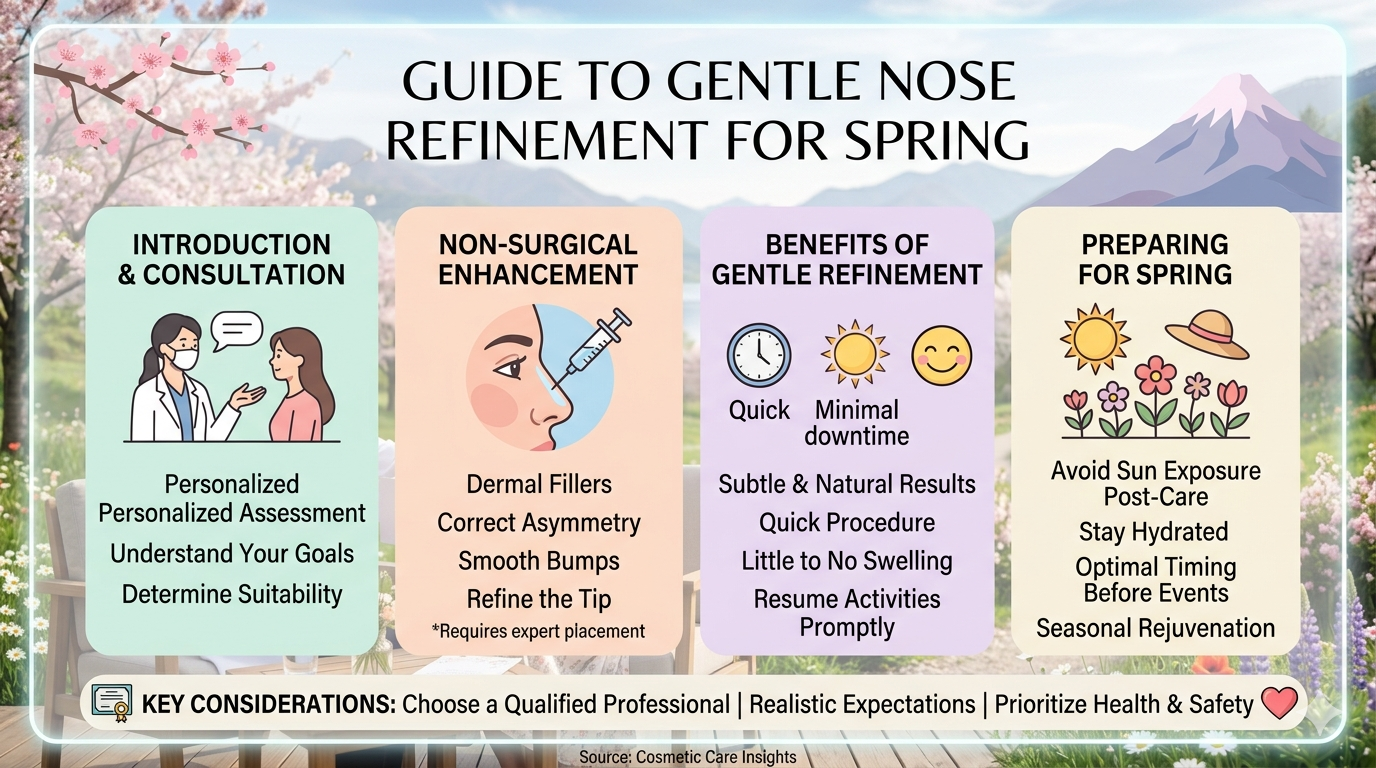
Visual layout of nasal structure and refinement method categories
Disclaimer
This article is for general informational and educational purposes only. It does not constitute professional medical, surgical, diagnostic, or consumer purchasing advice. References to procedures, providers, or methods do not imply endorsement or guarantee of results. Readers are encouraged to consult licensed medical professionals and official resources before making any medical decision.

by Ramil Villar | Mar 19, 2026 | Medical Procedure Education
Seasonal Planning for Surgical Nose Enhancements
A neutral overview of timing considerations for rhinoplasty procedures
Seasonal planning refers to how the timing of a medical procedure may relate to environmental conditions, personal schedules, and recovery logistics. In the context of rhinoplasty, some individuals consider factors such as weather, work or school commitments, and healing periods when planning consultations or procedures. This article provides a general educational overview of how seasonal factors may influence planning, without suggesting specific timing decisions.
What is Rhinoplasty?
Rhinoplasty is a surgical procedure that involves modifying the structure of the nose. It may address functional concerns, such as airflow, or structural aspects of the nasal framework. The procedure can involve bone, cartilage, and soft tissue, depending on the case.
Why Seasonal Planning is Considered
Seasonal planning is not a medical requirement but may be discussed in general patient education contexts. Timing considerations often relate to:
- Recovery time availability
- Environmental exposure (such as heat or humidity)
- Personal or professional schedules
These factors may affect convenience rather than clinical outcomes.
Climate Considerations in the Philippines
The Philippines has a tropical climate with generally warm temperatures and seasonal rainfall patterns.
Dry Season (Typically December to May)
- Warmer temperatures may increase perspiration
- Outdoor activities are more common, which may affect sun exposure
Rainy Season (Typically June to November)
- Increased humidity and rainfall
- Potential for reduced outdoor exposure
Environmental conditions may influence comfort during recovery, but they do not determine procedural success.
Scheduling Around Work or School
Some individuals explore timing based on personal schedules. Examples include:
- School breaks or holidays
- Leave periods from work
- Times with fewer social or physical commitments
Planning in advance may help accommodate general recovery periods, which can vary.
Recovery and Environmental Factors (General Overview)
After rhinoplasty, general recovery considerations may include:
- Limiting exposure to direct sunlight
- Avoiding activities that may impact the nose
- Allowing time for swelling to gradually subside
Climate conditions such as heat or humidity may affect comfort levels, but individual experiences differ.
Travel and Activity Planning
Post-procedure travel and activities are often discussed in general terms during patient education:
- Air travel may be delayed depending on recovery status
- Physical activities are typically limited during early healing
- Scheduling flexibility may support follow-up appointments
Specific timelines are determined by licensed professionals based on individual cases.
Long-Term Timing Considerations
Seasonal timing does not guarantee specific outcomes. Long-term results are influenced by:
- Individual healing response
- Surgical technique
- Adherence to general recovery guidance
Planning may focus on convenience and personal readiness rather than seasonal advantage.
Context & Consumer Awareness
Under medical advertising and consumer protection standards, timing-related information should not imply improved results based on specific seasons.
In patient education materials, it is commonly emphasized that:
- No season guarantees better outcomes
- Recovery experiences vary
- Decisions are typically made after consultation with a licensed professional
Consumers are encouraged to rely on verified medical guidance and avoid assumptions based on timing alone.
FAQs
Is there a “best” season for rhinoplasty?
There is no medically established “best” season. Timing is usually based on personal schedules and general recovery considerations.
Does weather affect healing results?
Weather may influence comfort during recovery, but it does not determine final outcomes.
Can rhinoplasty be scheduled year-round?
Yes. Rhinoplasty procedures are performed throughout the year, depending on availability and individual readiness.
Trusted Sources
- Philippine Department of Health (DOH) public advisories
- U.S. Food and Drug Administration (FDA) safety information
- Peer-reviewed journals such as Plastic and Reconstructive Surgery
- American Society of Plastic Surgeons (ASPS) educational resources
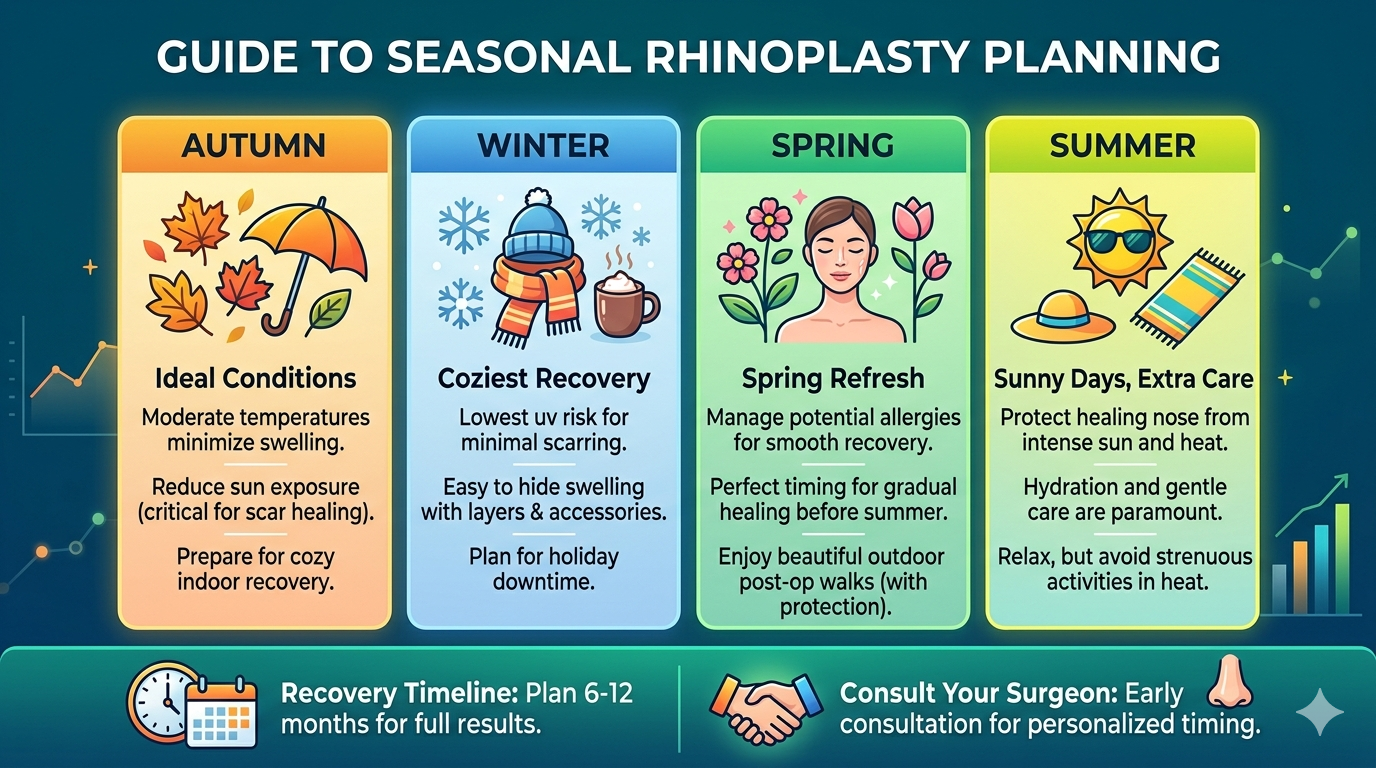
Visual layout of seasonal timing elements related to rhinoplasty planning
Disclaimer
This article is for general informational and educational purposes only. It does not constitute professional medical, surgical, diagnostic, or consumer purchasing advice. References to procedures, providers, or methods do not imply endorsement or guarantee of results. Readers are encouraged to consult licensed medical professionals and official resources before making any medical decision.

by Ramil Villar | Mar 19, 2026 | Aesthetic Education
Spring Nose Aesthetic Consultations: Educational Overview of Seasonal Consultation Trends
A neutral guide to understanding consultation patterns for nose enhancement procedures
“Spring nose aesthetic consultations” is an informal phrase sometimes used to describe an observed increase in inquiries about nose-related procedures during certain times of the year. This article explains what aesthetic consultations involve, why seasonal patterns may occur, and what information is typically discussed during a consultation. The focus is on general education, consumer awareness, and safe interpretation of non-clinical terminology.
What Are Nose Aesthetic Consultations?
A nose aesthetic consultation is an initial discussion between an individual and a licensed medical professional regarding nasal structure and possible procedural options.
In educational contexts, consultations may include:
- Review of medical and surgical history
- Assessment of nasal anatomy
- Discussion of structural or cosmetic concerns
- Explanation of general procedural categories and limitations
Consultations are informational and do not always lead to a procedure.
What Does “Spring” Refer to in This Context?
The term “spring” in this phrase is not a medical classification. It is commonly used in a seasonal or informal context.
Possible interpretations include:
- A period when individuals have more flexible schedules
- Timing aligned with school breaks or holidays
- Personal planning cycles that influence when consultations are sought
Seasonal timing does not affect the medical principles of rhinoplasty or related procedures.
Types of Topics Discussed During Consultations
Structural Evaluation
- Nasal bone and cartilage structure
- Internal anatomy such as the septum
- Functional considerations, including airflow
Procedural Categories (General Overview)
- Surgical rhinoplasty (structural modification)
- Non-surgical approaches (temporary fillers)
The suitability of any approach depends on clinical evaluation.
Seasonal Trends and Consumer Behavior
In patient education discussions, consultation timing may vary due to non-medical factors such as:
- Work or academic schedules
- Personal availability for recovery periods
- Travel or lifestyle planning
These patterns are not standardized and may differ across regions, including within the Philippines.
Common Questions Raised in Consultations
Individuals often seek general information about:
- Expected recovery timelines
- Potential risks and complications
- Differences between surgical and non-surgical methods
- Long-term considerations
Licensed professionals typically provide high-level explanations and clarify uncertainties during this stage.
Risks and Considerations (General Awareness)
Consultations may include discussion of general risks associated with nose-related procedures, such as:
- Swelling and bruising
- Infection
- Breathing changes
- Variability in outcomes
Understanding these factors is part of informed decision-making.
Context & Consumer Awareness
Under Philippine consumer protection and medical ethics standards, consultations and related information should remain:
- Accurate and non-misleading
- Free from guaranteed outcomes
- Clear about risks and limitations
Consumers are encouraged to verify professional credentials through appropriate regulatory bodies and to review independent educational sources.
FAQ (Definition-Based)
Is “spring nose consultation” a medical term?
No. It is an informal phrase and not a recognized medical classification.
Does the time of year affect procedure outcomes?
There is no general medical evidence that a specific season changes procedural outcomes. Individual factors are more relevant.
Are consultations required before rhinoplasty?
Consultations are a standard part of patient education and evaluation before any surgical consideration.
Trusted Sources
- Philippine Department of Health (DOH) public information resources
- U.S. Food and Drug Administration (FDA) educational materials
- Peer-reviewed journals such as Plastic and Reconstructive Surgery
- International Society of Aesthetic Plastic Surgery (ISAPS)
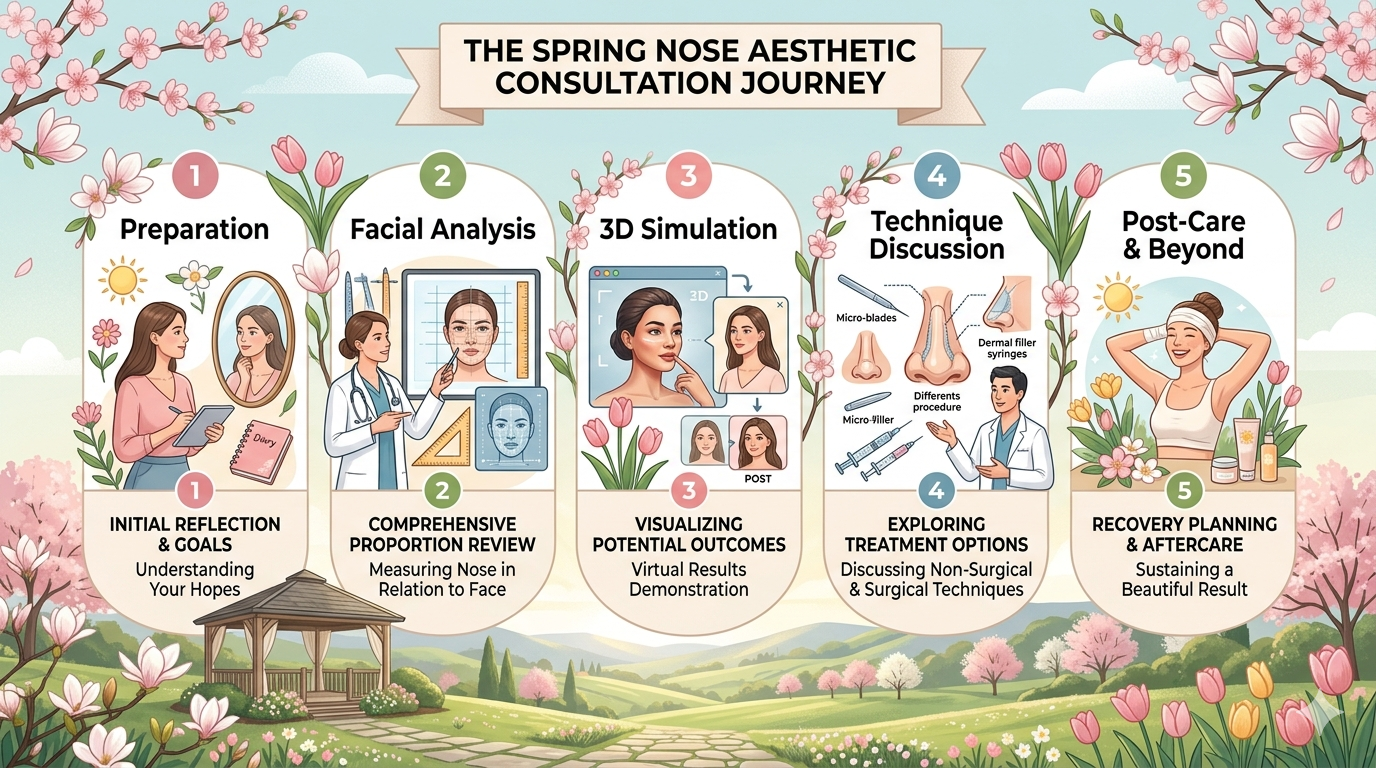
Infographic presenting consultation flow and seasonal timing context
Disclaimer
This article is for general informational and educational purposes only. It does not constitute professional medical, surgical, diagnostic, or consumer purchasing advice. References to procedures, providers, or methods do not imply endorsement or guarantee of results. Readers are encouraged to consult licensed medical professionals and official resources before making any medical decision.

by Ramil Villar | Mar 19, 2026 | Cosmetic Procedure Education
Understanding Rhinoplasty Preparation During Seasonal Changes: Summer Transition Considerations
A neutral educational overview of factors individuals may review when planning rhinoplasty around warmer weather conditions.
Rhinoplasty is a surgical procedure that involves modifying the shape or structure of the nose for functional or cosmetic purposes. Preparation for this procedure may vary depending on timing, including seasonal conditions such as warmer temperatures. This article explains general considerations when preparing for rhinoplasty during a transition into summer, with a focus on environmental factors, recovery awareness, and consumer safety.
What is Rhinoplasty?
Rhinoplasty refers to a surgical procedure that alters nasal bone, cartilage, or soft tissue. It may be performed to address structural concerns, breathing-related conditions, or changes in nasal shape. The approach and techniques vary depending on individual anatomy and clinical evaluation by a licensed surgeon.
What Parts of the Nose Are Involved?
The nose includes several anatomical components that may be evaluated during rhinoplasty:
- Nasal bones – form the upper structure of the nose
- Cartilage – shapes the tip and lower portion
- Septum – divides the nasal passages
- Skin and soft tissue – cover and support the framework
Each component plays a role in both function and structure.
Why Seasonal Timing May Be Considered
Seasonal conditions, including temperature and humidity, may influence how individuals prepare for surgery and recovery. In tropical climates like the Philippines, the transition to summer often involves increased heat, humidity, and sun exposure.
Patient education materials commonly note that environmental conditions may affect comfort levels during recovery, although outcomes depend on multiple medical and individual factors.
Surgical vs Non-Surgical Nose Enhancement
Nose enhancement may be categorized into:
- Surgical (rhinoplasty) – involves structural modification through an operative procedure
- Non-surgical methods – may involve temporary fillers to adjust contour
These approaches differ in duration, reversibility, and clinical indications. A licensed professional typically explains these differences during consultation.
Typical Consultation Process (General Overview)
Before any procedure, a consultation typically includes:
- Review of medical history
- Discussion of goals and expectations
- Physical examination of nasal structure
- Explanation of general risks and limitations
Seasonal timing may be discussed, but it is not the sole factor in determining suitability.
Considerations During Summer Transition
Heat and Perspiration
Warmer temperatures may increase sweating. General patient education materials suggest that maintaining hygiene around the surgical area is important during recovery, as excessive moisture may affect comfort.
Sun Exposure
Direct sun exposure is often discussed in post-procedure care contexts. Healing skin may be more sensitive to sunlight, and environmental exposure is typically considered during recovery planning.
Outdoor Activity Levels
Seasonal transitions may coincide with increased outdoor activity. Individuals may review activity limitations with a licensed professional, especially during early recovery phases.
Hydration Awareness
Hydration is commonly emphasized in general surgical recovery education. Warmer climates may increase fluid needs, depending on individual conditions.
Travel and Scheduling Factors
Summer periods may involve travel or schedule changes. Planning recovery time in a stable environment is commonly mentioned in patient education materials.
Common Risks and Complications (General Awareness)
As with any surgical procedure, rhinoplasty carries potential risks. These may include:
- Swelling and bruising
- Infection
- Breathing changes
- Asymmetry or need for revision
The likelihood and severity vary depending on multiple factors, including individual health and surgical approach.
Recovery and Healing Timeline (General)
Recovery timelines differ among individuals. General stages may include:
- Initial phase (first weeks): swelling and visible healing
- Intermediate phase: gradual reduction of swelling
- Long-term phase: continued refinement over several months
Environmental conditions such as heat and humidity may influence comfort, but not necessarily the biological healing process itself.
Long-Term Considerations (Neutral)
Long-term outcomes depend on factors such as:
- Individual healing response
- Surgical technique
- Adherence to general post-procedure guidance
Seasonal timing alone does not determine results but may affect short-term recovery experience.
Context & Consumer Awareness
Under medical advertising and consumer protection standards in the Philippines, information about cosmetic procedures must remain factual and non-deceptive. Educational materials often emphasize that:
- Outcomes cannot be guaranteed
- Individual responses to surgery vary
- Decisions are typically made after consultation with a licensed professional
Consumers are encouraged to verify provider credentials through appropriate regulatory bodies and to review official health guidance when available.
FAQ Section
Is rhinoplasty affected by hot weather?
Hot weather may influence comfort during recovery due to sweating and sun exposure. However, clinical outcomes depend on multiple medical factors rather than temperature alone.
Can rhinoplasty be scheduled during summer months?
Rhinoplasty may be scheduled at different times of the year. Timing is typically discussed during consultation based on individual circumstances.
Does humidity impact healing after rhinoplasty?
Humidity may affect comfort levels but is not generally considered a direct determinant of surgical healing outcomes.
Trusted Sources
- Philippine Department of Health (DOH) – public health advisories
- U.S. Food and Drug Administration (FDA) – general surgical safety resources
- American Society of Plastic Surgeons (ASPS) – educational materials on rhinoplasty
- Peer-reviewed medical literature on facial plastic surgery
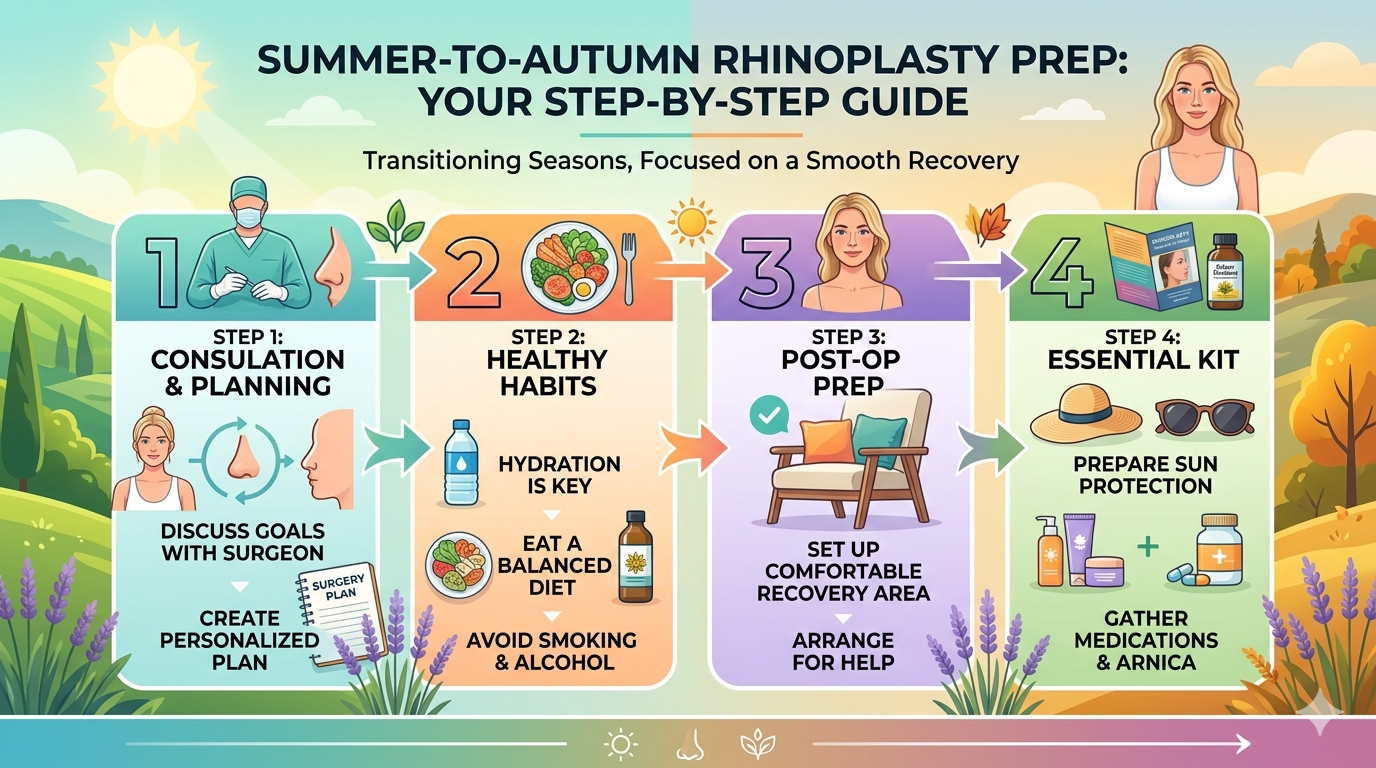
Infographic outlining environmental and timing-related factors.
Disclaimer
This article is for general informational and educational purposes only. It does not constitute professional medical, surgical, diagnostic, or consumer purchasing advice. References to procedures, providers, or methods do not imply endorsement or guarantee of results. Readers are encouraged to consult licensed medical professionals and official resources before making any medical decision.
by Ramil Villar | Mar 19, 2026 | Aesthetic Procedure Education
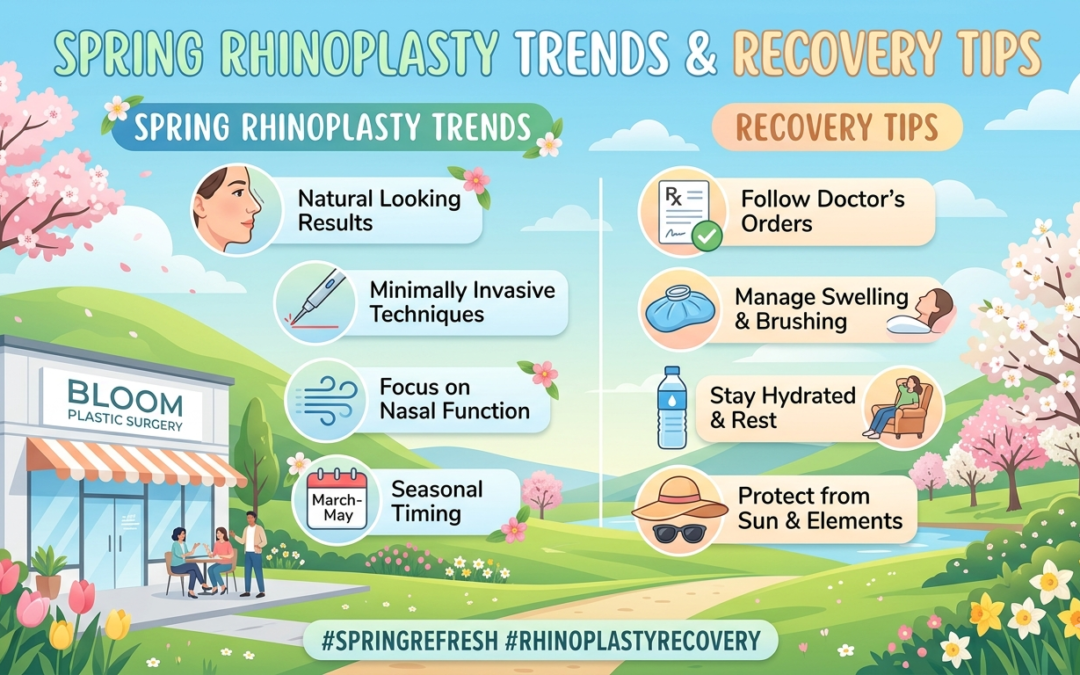
Spring Rhinoplasty Trends & Recovery Tips: An Educational Overview
Seasonal patterns and general recovery considerations for nose enhancement procedures
Rhinoplasty trends and recovery discussions often vary by season due to scheduling patterns, lifestyle factors, and evolving medical practices. This article provides a neutral, educational overview of commonly discussed rhinoplasty trends during the spring period and general recovery considerations based on patient education literature. The focus is on awareness, not promotion.
What Are “Spring Rhinoplasty Trends”?
“Spring trends” in rhinoplasty generally refer to patterns in patient interest, scheduling, and procedural approaches observed early in the year.
Timing and Seasonal Planning
Some individuals schedule procedures earlier in the year to allow recovery time before mid-year activities. Educational sources note that recovery periods may align with seasonal planning, as healing progresses over several weeks to months.
Preference for Natural-Looking Structural Changes
Recent discussions in medical aesthetics emphasize subtle structural adjustments rather than dramatic alterations. This reflects broader trends toward individualized treatment planning rather than standardized outcomes.
Continued Interest in Non-Surgical Options
Non-surgical nose enhancement (such as dermal fillers) remains part of general aesthetic trends due to:
- Shorter recovery periods
- Temporary effects
- Incremental changes
These approaches differ from surgical rhinoplasty in scope and duration.
Increased Focus on Consultation and Planning
Spring periods are often associated with consultations and evaluations. Licensed professionals typically assess anatomy, medical history, and expectations before discussing any procedure.
General Recovery Timeline (Educational Overview)
Recovery after rhinoplasty occurs in phases and varies by individual.
- Week 1: Swelling, bruising, and congestion are common; protective splints may be used
- Weeks 2–4: Visible swelling begins to decrease; light daily activities may resume
- 1–3 months: Continued refinement as swelling reduces
- 6–12 months: Final structural stabilization may take up to one year
Healing timelines differ depending on anatomy, surgical technique, and overall health.
General Recovery Tips (Non-Prescriptive, Educational)
Patient education materials commonly describe the following recovery considerations:
Rest and Positioning
- Keeping the head elevated during rest may help reduce swelling
- Adequate sleep supports overall healing
Managing Swelling
Activity Limitations
- Strenuous physical activity is typically limited during early healing
- Pressure on the nose (e.g., from eyewear) is generally avoided during initial recovery
Environmental Factors
- Heat exposure may contribute to increased swelling
- Sun protection is commonly advised during healing phases
Nutrition and Hydration
- Balanced nutrition supports tissue repair
- Adequate hydration is associated with general recovery support
These are general observations from educational sources. Individual instructions are provided by licensed healthcare professionals.
Common Recovery Experiences
During recovery, individuals may experience:
- Temporary swelling and bruising
- Nasal congestion
- Mild discomfort
- Gradual changes in nasal appearance over time
These effects are part of the normal healing process in many cases, though experiences vary.
Context & Consumer Awareness
Under medical advertising and consumer protection standards:
- Recovery timelines are estimates, not guarantees
- Outcomes differ between individuals
- Surgical approaches (such as open or closed rhinoplasty) may influence swelling and healing duration
In patient education literature, informed consent includes understanding recovery variability, risks, and limitations before undergoing any procedure.
FAQ (Definitions Only)
Why is spring often discussed in rhinoplasty planning?
Spring is sometimes associated with recovery planning timelines, as individuals may consider scheduling earlier in the year. This is a general pattern, not a medical requirement.
How long does swelling last after rhinoplasty?
Swelling is most noticeable in the first few weeks and gradually decreases over several months. Minor swelling may persist for up to a year.
Are non-surgical nose enhancements permanent?
No. Non-surgical options such as fillers are temporary and require repeat treatments to maintain effects.
Trusted Sources
- Philippine Department of Health (DOH) – Public health guidance
- U.S. Food and Drug Administration (FDA) – Medical safety information
- Cleveland Clinic – Patient education materials
- StatPearls (NCBI) – Clinical reference resources
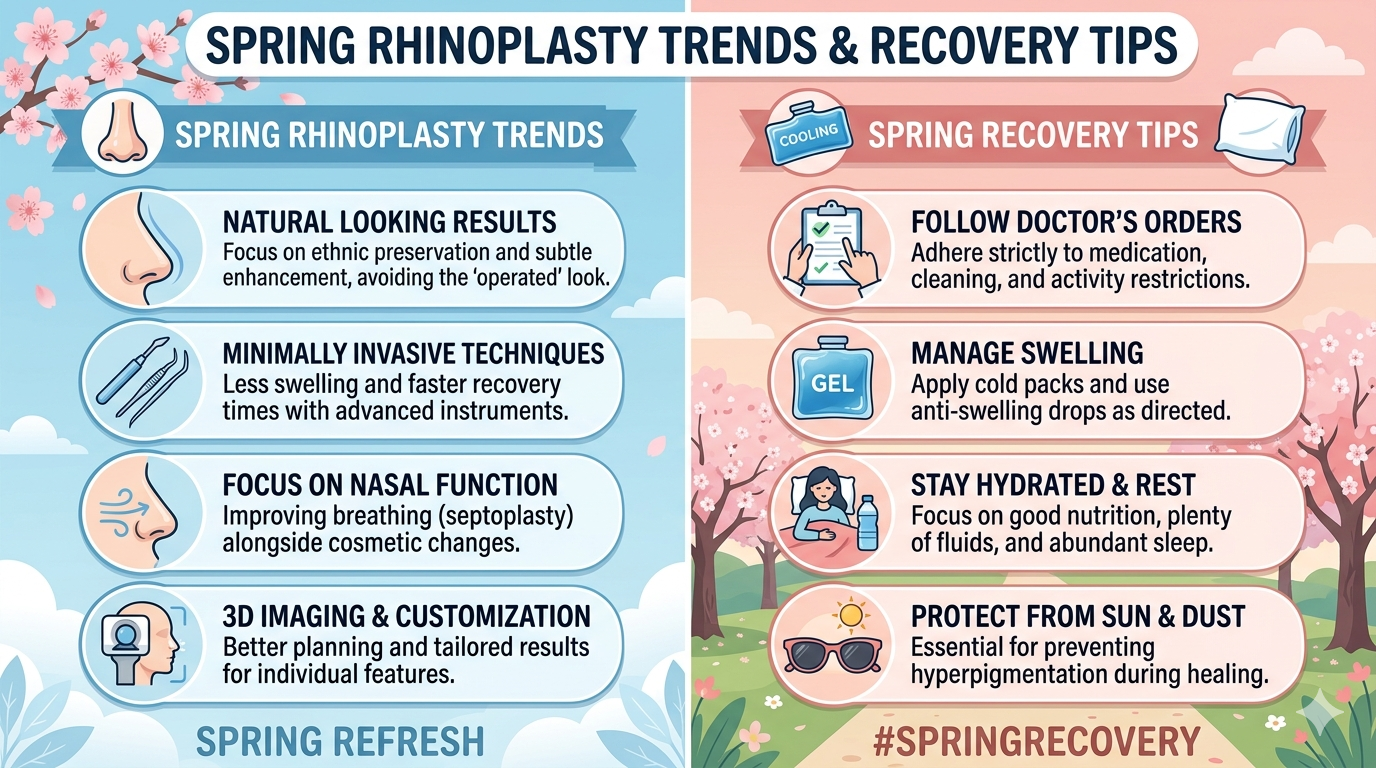
Structured infographic showing recovery phases and seasonal trend references
Disclaimer
This article is for general informational and educational purposes only. It does not constitute professional medical, surgical, diagnostic, or consumer purchasing advice. References to procedures, providers, or methods do not imply endorsement or guarantee of results. Readers are encouraged to consult licensed medical professionals and official resources before making any medical decision.