Understanding Financial Freedom and How to Define It in 2026

Understanding Financial Freedom and How to Define It in 2026

A neutral educational overview of how financial freedom is commonly defined, measured, and discussed using modern financial planning concepts.

Financial freedom is a widely used term in personal finance, but its meaning can vary depending on individual circumstances, lifestyle needs, family responsibilities, and local economic conditions. In 2026, the concept is increasingly discussed alongside inflation, digital banking, flexible work arrangements, and modern budgeting tools. This article explains what financial freedom generally means, how it is commonly defined in financial education, and what practical indicators are used to describe it in a measurable way.

1. What Financial Freedom Commonly Means

Financial freedom generally refers to a condition where a person has enough financial stability to cover essential expenses and planned life costs without depending entirely on a single source of active income.

In educational finance contexts, it often includes:

  • Having manageable debt levels

  • Having predictable cash flow

  • Having savings or assets that support future expenses

  • Having financial plans aligned with real-life obligations

It does not mean unlimited wealth. It is usually discussed as a level of financial stability and long-term sustainability.

2. Why Financial Freedom Definitions Differ Between People

Financial freedom is not a single fixed number. It is influenced by factors such as:

  • Household size and dependents

  • Housing costs (rent or mortgage)

  • Healthcare needs and insurance access

  • Education expenses

  • Work stability and income type (salary, freelance, business)

  • Location-based cost of living differences

  • Long-term financial goals (retirement, business expansion, property ownership)

For example, one person may define financial freedom as being able to cover monthly living costs without borrowing, while another may define it as reaching a retirement plan target or paying off major liabilities.

3. Common Financial Freedom Indicators Used in 2026

In 2026, financial freedom is often described using measurable indicators instead of vague lifestyle terms.

Common indicators include:

A. Emergency Fund Coverage

A frequently used metric is having enough liquid savings to cover essential expenses for a specific period. Financial educators often discuss emergency funds as a tool for risk management, especially for job instability or unexpected medical costs.

B. Debt-to-Income Management

Debt is not automatically negative, but financial freedom is commonly associated with debt levels that remain manageable relative to income. This includes evaluating:

  • Total monthly debt payments

  • Credit card balances

  • Loan repayment terms

  • Interest rates and penalties

High-interest debt is often treated as a risk factor because it can reduce cash flow flexibility.

C. Sustainable Cash Flow

Financial freedom discussions often focus on whether income is stable enough to consistently cover:

  • Housing

  • Food

  • Utilities

  • Transportation

  • Insurance

  • Savings contributions

In basic personal finance frameworks, consistent cash flow is a foundational requirement before pursuing higher-risk financial strategies.

D. Asset Building and Net Worth Tracking

Net worth is commonly defined as:

Net Worth = Total Assets − Total Liabilities

Assets may include:

  • Cash savings

  • Investments (stocks, bonds, mutual funds, funds)

  • Retirement accounts

  • Property or land

  • Business assets (if measurable and documented)

Liabilities may include:

  • Personal loans

  • Credit card debt

  • Housing loans

  • Business debts

  • Outstanding obligations

In financial education, tracking net worth is used to measure long-term progress rather than short-term income changes.

4. Financial Freedom vs. Financial Independence

Financial freedom and financial independence are sometimes used interchangeably, but in educational frameworks they can be discussed differently.

  • Financial independence often refers to reaching a point where passive or investment-based income can cover essential living expenses.

  • Financial freedom may be used more broadly to include flexibility, stability, and reduced financial stress.

However, these terms are not legal or standardized financial definitions. Their meaning depends on context.

Vertical infographic showing definitions of financial freedom, net worth, emergency fund, cash flow, and budgeting tools in 2026.

Infographic summary of common terms used in financial freedom discussions.

5. How Digital Finance Trends Shape Financial Freedom in 2026

Modern financial tools influence how people track and define financial freedom. In 2026, commonly used tools include:

  • Mobile banking and digital wallets

  • Automated budgeting apps

  • Spreadsheet-based financial tracking

  • Online investment platforms (where legally permitted and properly regulated)

  • Digital insurance services

  • Subscription-based expense monitoring

These tools can improve visibility over spending and savings behavior, but they do not remove financial risk. Users still need to evaluate fees, data privacy, and platform legitimacy.

Under consumer protection standards and the Data Privacy Act of 2012 (RA 10173), financial tools should be evaluated carefully, especially if they request sensitive personal information.

6. Legal and Consumer Safety Considerations in Financial Freedom Messaging

In the Philippines, consumers are protected under laws such as the Consumer Act of the Philippines (RA 7394) and relevant fraud-related provisions under the Revised Penal Code. These laws discourage deceptive marketing, misrepresentation, and misleading financial claims.

Educational discussions about financial freedom should avoid:

  • Income guarantees

  • “Easy wealth” promises

  • Pressure-based recruitment schemes

  • Unverified investment claims

  • Overstated success rates

In 2026, regulators and consumer watchdogs continue to warn the public about online scams that misuse terms like “financial freedom” to create unrealistic expectations.

7. Hypothetical

A hypothetical example can help clarify how definitions differ:

Scenario:
A household defines financial freedom as having enough savings to handle emergencies, having stable monthly cash flow, and having long-term planning for education and retirement.

They measure progress by:

  • Maintaining an emergency fund

  • Paying debts on schedule

  • Tracking expenses monthly

  • Building long-term savings gradually

  • Reviewing insurance coverage annually

This definition focuses on stability and planning rather than lifestyle-based claims.

Context

In financial studies and personal finance education, financial freedom is typically discussed as a long-term planning concept rather than a quick achievement. Many frameworks emphasize budgeting discipline, risk management, consumer protection awareness, and consistent financial review. Under ethical advertising and consumer protection standards, the term should not be used to imply guaranteed wealth outcomes, as financial conditions vary by person and economic environment.

FAQ

Q1: What is financial freedom in simple terms?

Financial freedom generally means having enough financial stability to cover necessary expenses and planned obligations without relying entirely on one active income source. It is often measured through budgeting, savings, and debt management.

Q2: Is financial freedom the same as being rich?

Not necessarily. Financial freedom is commonly discussed as stability and sustainability, while being rich refers to having high income or large assets. A person can have financial stability without having extreme wealth.

Q3: What are common tools used to track financial freedom progress?

Common tools include budgeting apps, savings trackers, spreadsheets, and net worth calculators. Many people also use banking statements and expense reports to monitor spending patterns.

Trusted Sources

  • Bangko Sentral ng Pilipinas (BSP) — consumer advisories and financial education resources

  • Securities and Exchange Commission (SEC Philippines) — investment warnings and registration verification

  • Department of Trade and Industry (DTI) — consumer protection guidelines

  • Department of Finance (DOF) — economic policy and public finance information

  • National Privacy Commission (NPC) — Data Privacy Act guidance (RA 10173)

  • Basic personal finance textbooks and academic business finance references

Mandatory Disclaimer

Disclaimer:
This article is for general informational and educational purposes only. It does not constitute professional financial, investment, or business advice. References to methods, tools, or courses do not imply endorsement or guarantee of financial freedom. Readers are encouraged to consult licensed financial professionals and verified resources for personal finance decisions.
Understanding Color Theory in Everyday Fashion Styling

Understanding Color Theory in Everyday Fashion Styling

A neutral overview of linen blazers as lightweight outerwear for warm and transitional weather.

This article explains the characteristics of linen blazers as summer-transition jackets, focusing on fabric properties, garment structure, and typical styling applications. It follows Philippine consumer protection standards, including the Consumer Act of the Philippines (RA 7394), and aligns with global ethical content and EEAT principles. Readers will learn how linen blazers are constructed, how the material behaves in warm climates, and how they are generally used in seasonal wardrobe planning.

Educational Details

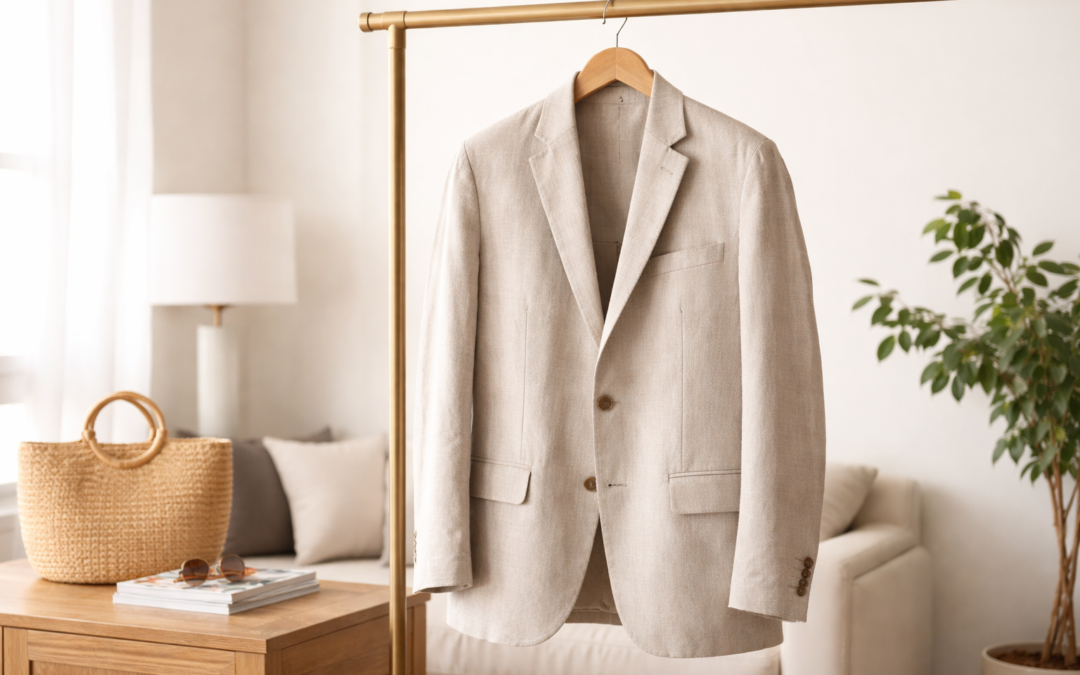
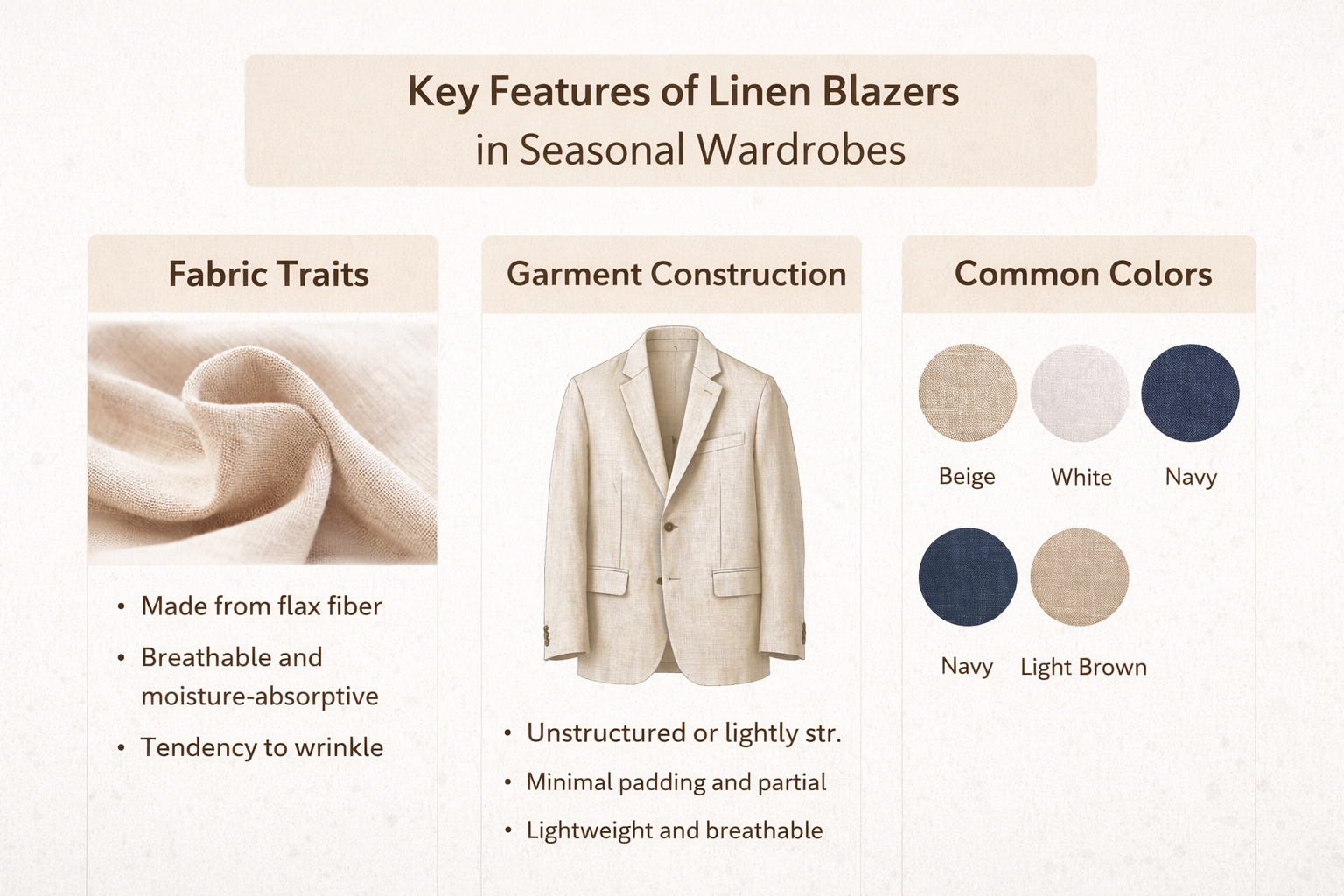
A linen blazer is a lightweight jacket typically made from linen or linen-blend fabric. Linen is derived from flax fibers and is known for its breathable weave, natural texture, and moisture-absorbing properties. These material qualities make linen garments commonly associated with warm or humid weather conditions.

In garment construction, linen blazers often feature unstructured or lightly structured designs. Some include minimal padding, partial linings, or softer shoulder construction to reduce weight. These design choices influence how the blazer drapes and how air circulates through the fabric.

Visual summary of linen blazer fabric traits, structure, and common color categories.

A visual outline of linen blazer characteristics and design elements.

Linen blazers are frequently used as transitional outerwear between hot and cooler periods, such as early summer mornings or air-conditioned indoor settings. They may be worn over shirts, blouses, or lightweight tops, depending on wardrobe coordination preferences.

From a fabric care perspective, linen is prone to visible creasing due to its fiber composition. This is a known material characteristic rather than a defect. Washing, ironing, and storage methods can affect the texture and longevity of linen garments, though outcomes vary based on fabric quality and handling.

Color options for linen blazers often include neutral tones such as beige, white, gray, navy, and earth shades. These colors are commonly chosen for their adaptability within a range of outfit combinations, without implying aesthetic or social outcomes.

Context


In fashion history, linen has been used in clothing for centuries due to its availability, durability, and comfort in warm climates. Ancient civilizations incorporated linen into daily wear, ceremonial garments, and trade textiles.

In general styling practice, lightweight jackets like linen blazers serve functional and structural purposes rather than aesthetic guarantees. Wardrobe coordination involving blazers typically considers climate, layering needs, garment proportion, and textile compatibility.

Under consumer awareness standards, understanding fabric type, fiber origin, and construction methods can support more informed interpretation of product descriptions and labeling. This background knowledge does not imply quality ranking or purchasing endorsement.

FAQ


What is a linen blazer?
A linen blazer is a lightweight jacket made primarily from linen fabric. It is commonly worn in warm or transitional weather.

Why does linen wrinkle easily?
Linen fibers have low elasticity, which makes creases more visible. This is a natural property of the material.

Is linen suitable for hot climates?
Linen is generally considered breathable and moisture-absorbent. These traits describe fabric performance rather than personal comfort outcomes.

Trusted Sources


  • Consumer Act of the Philippines (RA 7394)

  • Fashion Institute of Technology (FIT) — Textile and Apparel Studies

  • Smithsonian — Historical Textile Collections

  • UNESCO — Traditional Fabric and Clothing Archives

  • Academic journals on fabric science and garment construction

Disclaimer

This article is for general informational and educational purposes only. It does not constitute professional styling, psychological, medical, or consumer purchasing advice. References to fashion trends, brands, or styling methods do not imply endorsement or guarantee of results. Readers are encouraged to rely on personal preference, verified product information, and official consumer protection resources when making fashion or purchasing decisions.

Oversized Wool Coats in Urban Streetwear

Oversized Wool Coats in Urban Streetwear

A factual overview of silhouette, fabric, and styling context in contemporary city fashion.

This article explains how oversized wool coats function within urban streetwear from a design, fabric, and styling perspective. It references general consumer protection and advertising standards in the Philippines, including the Consumer Act of the Philippines (RA 7394), to ensure neutral and non-deceptive informational framing. Readers will learn about the structure, material characteristics, historical influences, and practical considerations related to oversized wool coats in streetwear.

Oversized Silhouettes in Streetwear

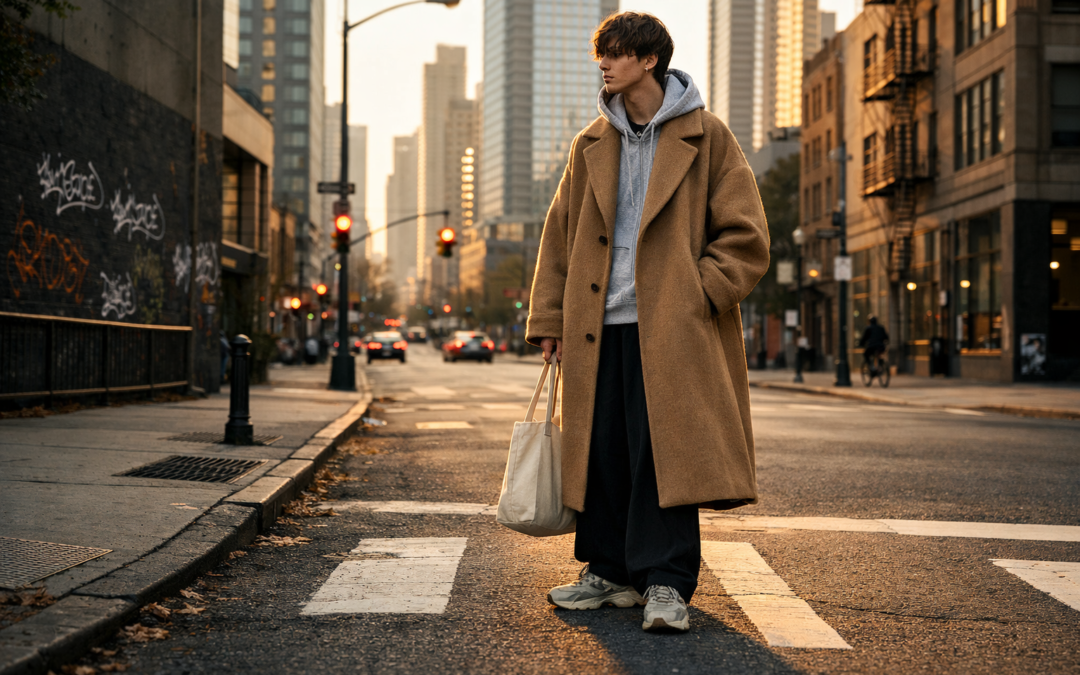
Oversized coats are defined by a relaxed and extended fit that exceeds standard tailoring proportions. In streetwear contexts, this silhouette is often associated with layered outfits, relaxed movement, and visual balance between fitted and loose garments. The oversized structure typically includes dropped shoulders, extended sleeve lengths, and a longer hemline.

Wool as a Coat Material

Wool is a natural fiber known for insulation, durability, and moisture resistance. In coat construction, wool fabrics may vary in weight, texture, and weave, such as melton wool, tweed, or boiled wool. Heavier wool tends to provide structure, while softer weaves may allow for more fluid draping. Lining materials are often used to support comfort and garment longevity.

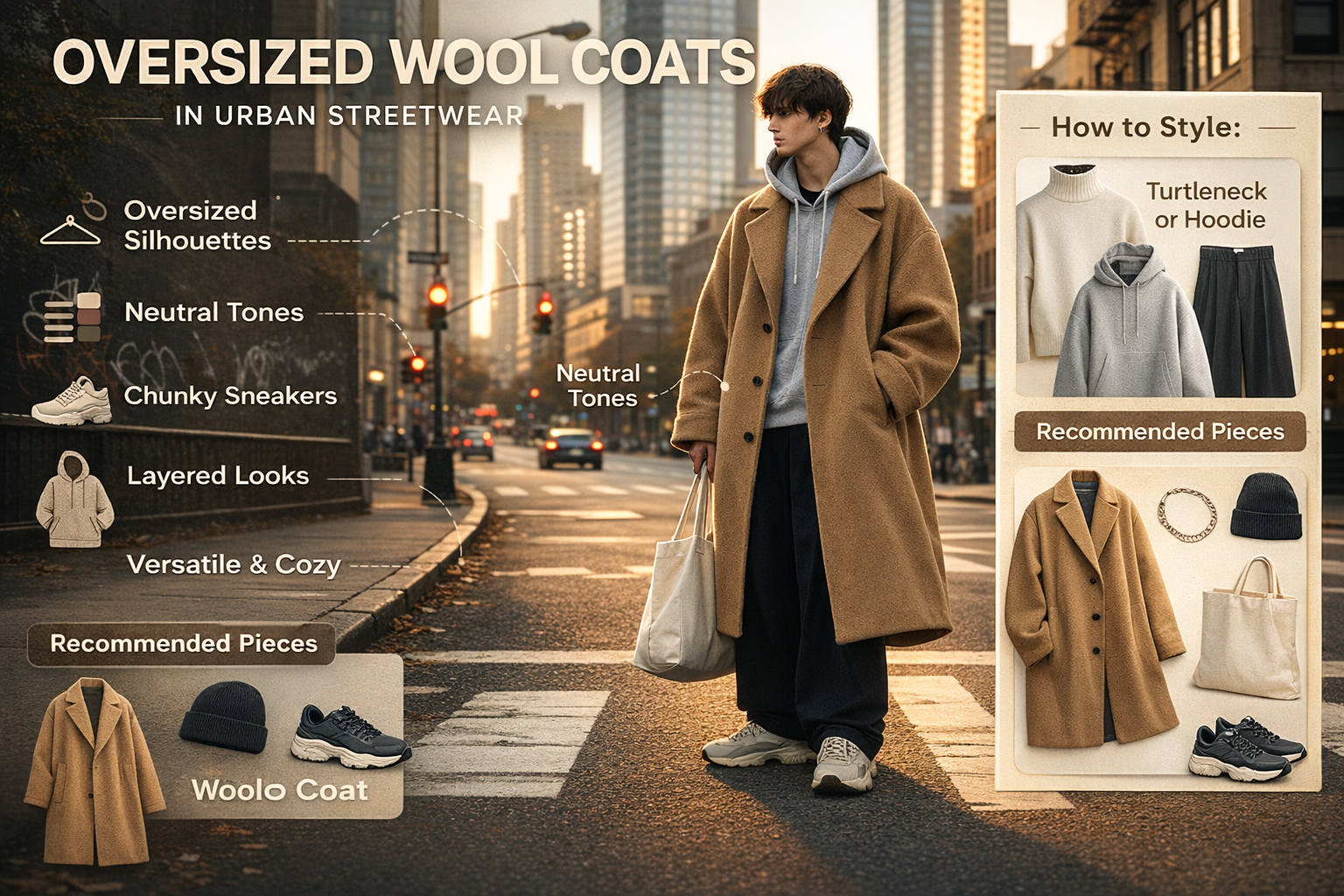
Visual breakdown of oversized wool coat structure and fabric elements

Infographic outlining key features of oversized wool coats.

Construction and Garment Structure

Oversized wool coats commonly feature straight or boxy cuts to maintain a consistent shape. Structural elements may include wide lapels, large pockets, double-breasted fronts, or minimal hardware. Stitching quality, seam reinforcement, and fabric thickness influence how the coat maintains its form over time.

Layering and Proportion in Urban Styling

In general styling practice, oversized coats are paired with a variety of garment types, including hoodies, knitwear, tailored trousers, or casual denim. Styling focuses on proportion management rather than appearance enhancement. For example, wide outerwear may be balanced with narrower inner layers to maintain visual coherence.

Ethical and Sustainability Considerations

Wool sourcing practices vary depending on production standards and animal welfare policies. Some manufacturers disclose information about responsible wool sourcing, recycled wool use, or environmentally conscious dyeing processes. Consumers may refer to publicly available sustainability disclosures or independent textile certifications for verification.

In fashion history, oversized outerwear has appeared across multiple movements, including military surplus styling, 1990s hip-hop fashion, and contemporary streetwear culture. In general styling practice, oversized garments serve functional and aesthetic roles, including thermal insulation and layering flexibility. Under consumer advertising standards, descriptions of fashion items should avoid misleading claims about personal outcomes, appearance changes, or social effects.

FAQ

What is an oversized coat?
An oversized coat is a garment designed with a deliberately larger fit than standard sizing, often featuring extended length and relaxed proportions.

What makes wool suitable for coats?
Wool provides insulation, breathability, and durability, making it commonly used for outerwear in cooler environments.

What is urban streetwear?
Urban streetwear refers to a fashion category influenced by casual city wear, youth culture, and everyday functional clothing.

Trusted Sources

  • Consumer Act of the Philippines (RA 7394)

  • International Textile and Apparel Association (ITAA)

  • Fashion Institute of Technology (FIT) — Educational Resources

  • Textile Exchange — Wool and Fiber Standards

  • The Metropolitan Museum of Art — Fashion History Archives

Disclaimer

This article is for general informational and educational purposes only. It does not constitute professional styling, psychological, medical, or consumer purchasing advice. References to fashion trends, brands, or styling methods do not imply endorsement or guarantee of results. Readers are encouraged to rely on personal preference, verified product information, and official consumer protection resources when making fashion or purchasing decisions.

Sleek Urban Power Suits for Office: A Practical Styling Overview

Sleek Urban Power Suits for Office: A Practical Styling Overview

A neutral guide to suit structure, fabric choices, and styling combinations for office environments.

Power suits are a structured clothing option commonly used in professional workplaces. This article explains what defines a sleek urban power suit, how fit and fabric influence its appearance, and how office styling can be adjusted based on climate, workplace dress codes, and practicality. In the Philippines, consumer protection standards and product advertising claims are generally covered under the Department of Trade and Industry (DTI) and the Consumer Act of the Philippines (RA 7394).

What a “Sleek Urban Power Suit” Means in Fashion Styling

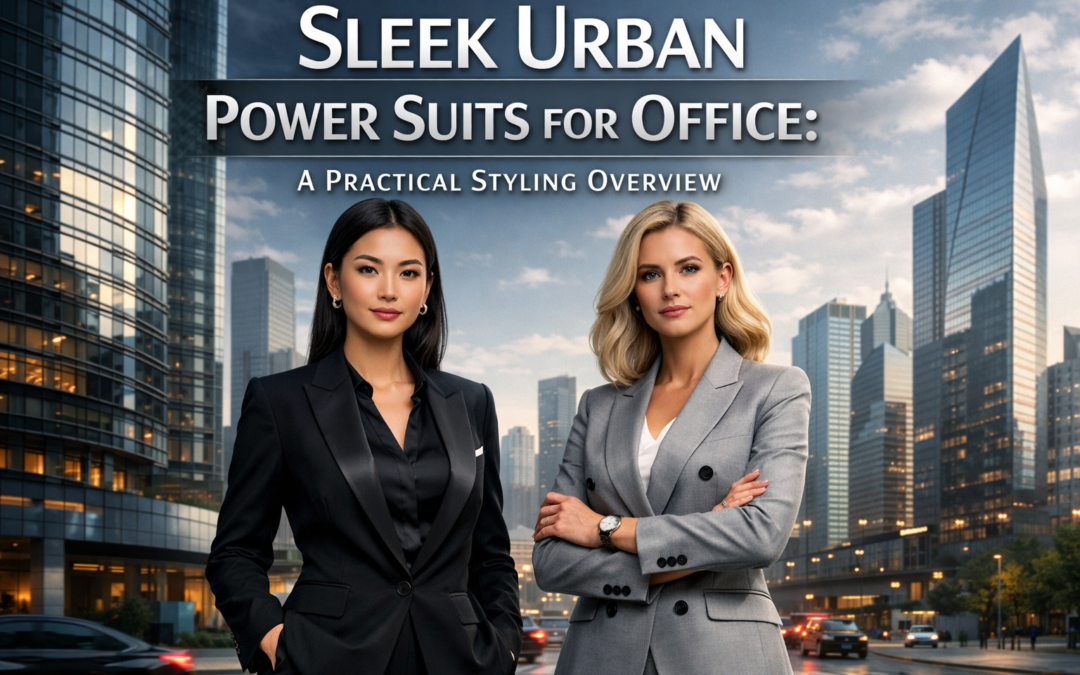
In modern styling terminology, a sleek urban power suit typically refers to a coordinated blazer-and-trouser (or blazer-and-skirt) set with a clean silhouette. It often uses minimal detailing and neutral color palettes to create a structured, professional look suitable for office settings.

Common characteristics include:

  • Sharp tailoring and defined seams

  • Minimal prints or subtle textures

  • Straight or tapered trousers

  • Mid-weight fabrics designed to hold shape

  • A clean neckline and lapel design

  • Simple color coordination (often monochrome or muted tones)

This style is often associated with business attire, corporate uniforms, or professional dress codes.

Key Elements of an Office-Appropriate Power Suit

1. Blazer Structure and Fit

A blazer is the primary defining element of a power suit. The cut determines how formal or modern the outfit appears.

Common blazer cuts include:

  • Single-breasted blazer: Often considered a standard office option

  • Double-breasted blazer: More structured and formal in silhouette

  • Relaxed blazer: Less rigid shoulder shaping, often used for business casual settings

  • Cropped blazer: More contemporary, often paired with high-waist trousers

Office-friendly blazers typically have clean lapels, moderate shoulder structure, and functional pockets.

2. Trouser and Skirt Pairing Options

Power suits are not limited to trousers. Many office wardrobes use skirt suits, depending on workplace policy and personal preference.

Common suit bottoms include:

  • Straight-leg trousers: Neutral and versatile

  • Tapered trousers: More fitted at the ankle

  • Wide-leg trousers: Often paired with fitted blazers for balance

  • Pencil skirt: Structured and traditional

  • A-line skirt: Less restrictive movement, still formal

In styling practice, the bottom silhouette is often chosen to match comfort needs and the desired level of formality.

Fabric Choices for the Philippine Office Climate

Because office conditions in the Philippines often involve warm weather and air-conditioned interiors, fabric selection can affect practicality.

Common fabrics used for office suits include:

  • Wool blends: Structured and durable, often used in formal suits

  • Polyester blends: Wrinkle-resistant but may feel warmer

  • Cotton blends: Breathable, often used in lighter suits

  • Linen blends: Lightweight but may crease easily

  • Twill fabric: Holds structure and has a subtle diagonal weave

For everyday office use, blended fabrics are often selected for easier maintenance and durability.

Color Palette and Styling Approach

Neutral and Urban Suit Colors

Sleek urban styling usually relies on neutral tones because they are easier to coordinate.

Common suit colors include:

  • Black

  • Navy

  • Charcoal gray

  • Beige or camel

  • Off-white or cream

  • Olive or muted brown

These shades are commonly used because they can pair with different inner tops and accessories without heavy contrast.

Minimal Pattern Styling

Urban office suits may include subtle patterns, but typically avoid bold prints.

Common acceptable patterns include:

  • Pinstripes

  • Small checks

  • Herringbone textures

  • Solid monochrome fabrics

Patterns are often used to add texture while keeping the outfit professional.

Styling Combinations for Office Wear

Inner Top Options

A suit’s overall appearance is often influenced by the top worn underneath.

Common office-friendly inner layers include:

  • Plain blouse

  • Button-down shirt

  • Knit top in neutral tone

  • Satin camisole with blazer coverage

  • High-neck sleeveless top (depending on dress code)

Neutral tops are often used for formal offices, while softer fabrics are used in business casual settings.

Footwear Pairing for Sleek Suit Styling

Footwear changes the level of formality of a suit.

Common office pairings include:

  • Closed-toe heels

  • Loafers

  • Block heels

  • Ballet flats

  • Minimal leather sneakers (only for relaxed office policies)

In professional settings, closed-toe shoes are commonly used as the default option.

Bag and Accessory Choices

Urban suit styling usually uses minimal accessories to avoid visual clutter.

Common accessory options include:

  • Structured tote bag

  • Leather shoulder bag

  • Minimal belt in matching tone

  • Small stud earrings or simple watch

  • Thin chain necklace

These items are typically chosen for function and simplicity.

Fit and Tailoring Considerations

A power suit typically relies on garment construction. Even small fit adjustments can affect the overall silhouette.

Common tailoring adjustments include:

  • Sleeve shortening for blazer cuffs

  • Waist shaping for blazers

  • Hem adjustment for trouser length

  • Shoulder alignment improvements

  • Skirt length adjustment based on dress code

A well-fitted suit is generally identified by smooth seams, aligned shoulders, and minimal fabric pulling.

Context: Power Suits in Modern Workplace Fashion

In fashion history, suits were traditionally associated with formal business attire and workplace uniforms. Over time, power suits became a widely recognized category in professional clothing, often defined by structured tailoring and coordinated sets.

In contemporary urban styling, power suits are now used in multiple ways, including:

  • Formal corporate dressing

  • Business casual office outfits

  • Workwear for presentations and meetings

  • Smart casual styling with sneakers or knitwear

Modern suit styling often focuses on practicality, climate compatibility, and workplace expectations rather than strict traditional rules.

FAQ

Q1: What is a power suit in fashion styling?

A power suit is a coordinated outfit, typically consisting of a blazer and matching trousers or skirt. It is commonly worn in formal or professional settings due to its structured silhouette.

Q2: What fabrics are commonly used for office suits?

Office suits are often made from wool blends, polyester blends, cotton blends, or twill fabrics. These materials are used because they hold shape and are suitable for repeated wear.

Q3: What makes a suit look “sleek” in styling terms?

A suit is often described as sleek when it has clean tailoring, minimal detailing, and a balanced silhouette. Neutral colors and smooth fabric textures are also commonly associated with sleek styling.

Trusted Sources

  • Department of Trade and Industry (DTI) Philippines — Consumer information and fair trade guidance

  • Consumer Act of the Philippines (Republic Act No. 7394)

  • Fashion Institute of Technology (FIT) — educational references on apparel construction and styling

  • The Metropolitan Museum of Art (The Costume Institute) — fashion history archives

  • International Labour Organization (ILO) — ethical and labor-related references in garment production

Disclaimer

This article is for general informational and educational purposes only. It does not constitute professional styling, psychological, medical, or consumer purchasing advice. References to fashion trends, brands, or styling methods do not imply endorsement or guarantee of results. Readers are encouraged to rely on personal preference, verified product information, and official consumer protection resources when making fashion or purchasing decisions.

Lightweight Trench Coats for Tropical Winters

Lightweight Trench Coats for Tropical Winters

An informational overview of using lightweight trench coats in warm, humid winter climates.

This article explains how lightweight trench coats can be incorporated into everyday clothing coordination during tropical winters. It outlines basic considerations about garment construction, fabric choice, and functional styling in climates with moderate seasonal temperature changes. Relevant consumer protection standards under Philippine laws and global advertising ethics are observed; this content is educational and not promotional.

Understanding Lightweight Trench Coats in Tropical Climates

A trench coat is a garment originally designed as outerwear with features such as a collar, belted waist, and buttoned front. Traditionally associated with cooler weather, trench coats vary in fabric weight, weave density, and layering capability.

In tropical winter climates — where temperatures often remain moderate and humidity can be relatively high — a lightweight trench coat refers to outerwear made from thin to medium‑weight materials. These garments provide a structured layer without the insulation typical of heavier coats.

Key aspects relevant to tropical settings include:

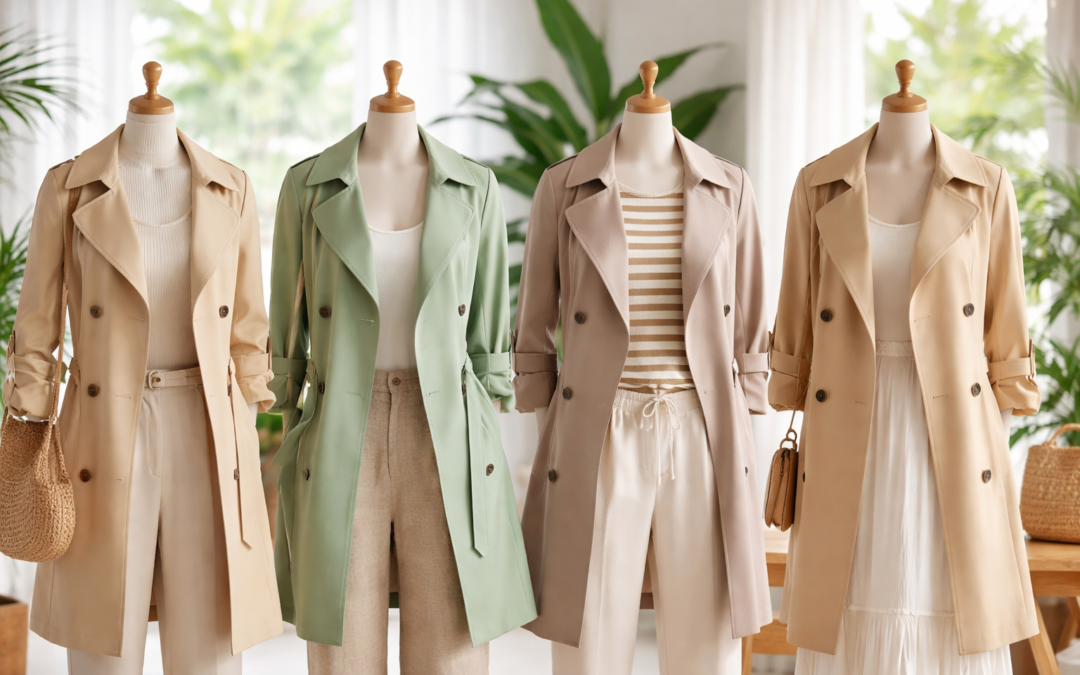
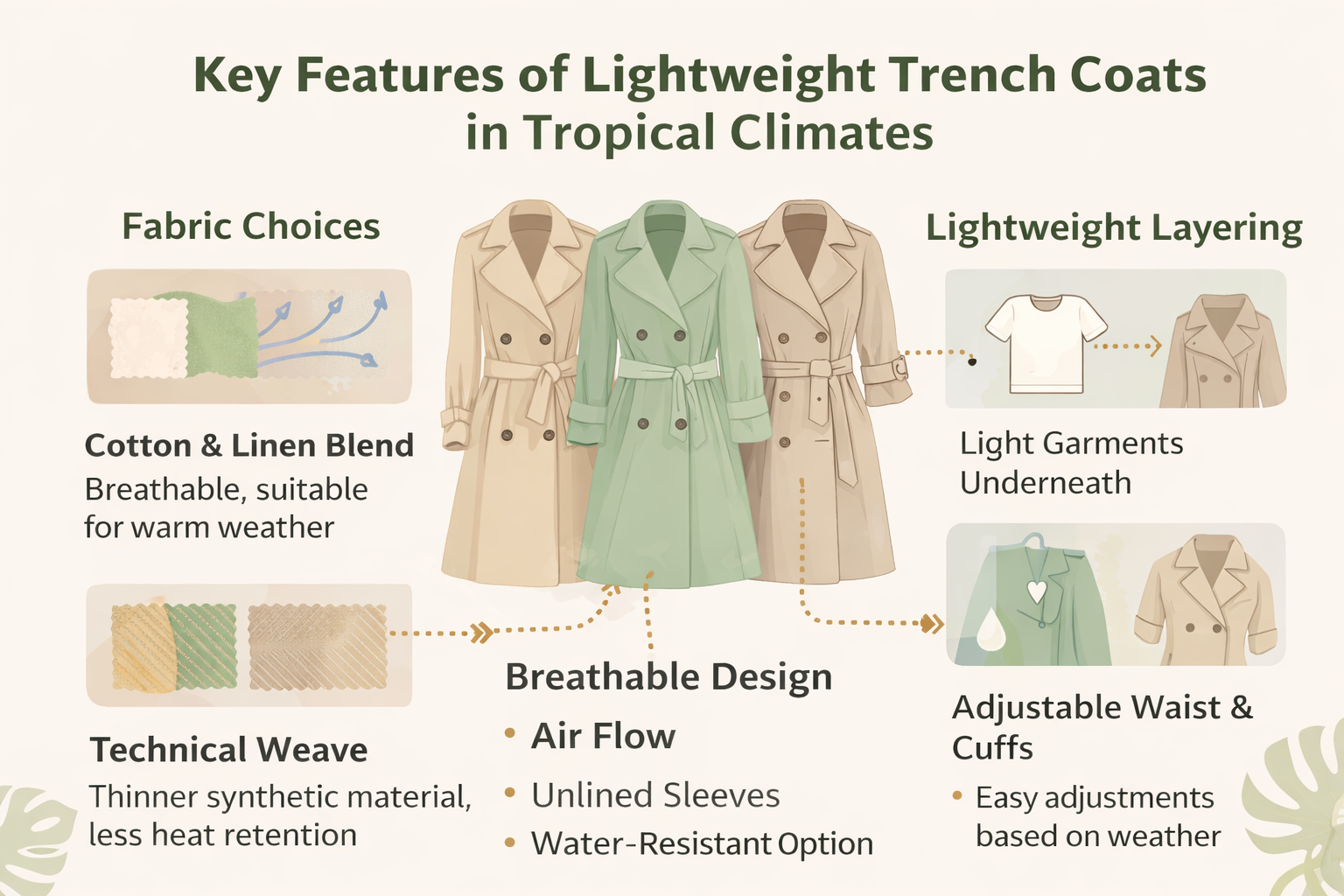
  • Fabric composition: Lightweight cotton, linen blends, and technical weaves facilitate air circulation while giving the garment shape. These materials are less insulating than wool, reducing heat retention.

  • Weave and breathability: A plain weave or ripstop construction can contribute to breathability. Fabrics with a looser weave allow more air flow, which can be helpful in warm, humid environments.

  • Cut and silhouette: A trench coat with a relaxed cut and minimal lining can be layered over short‑sleeve shirts without creating excessive warmth. Features such as open fronts, unlined sleeves, and adjustable belts help adapt the garment to daily temperature variation.

Functional Considerations for Tropical Winters

In many tropical regions, “winter” may mean slightly cooler evenings and occasional breezes rather than sustained low temperatures. When considering a lightweight trench coat in this context:

  • Layering logic: In general garment coordination practice, lightweight outerwear can function as a transitional layer over shirts or thin knitwear. Layering does not change the body’s physiology; rather, it adjusts the number of clothing layers relative to ambient conditions.

  • Moisture and humidity: Materials such as cotton and linen generally absorb and release moisture more readily than tightly woven synthetics. This can influence perceived comfort in humid weather.

  • Climate variability: Local weather patterns may include sudden rain or wind. Trench coats with a tight‑weave finish or water‑resistant treatment (as specified by the manufacturer) can offer an additional layer against light precipitation. This information should be verified through manufacturer specifications to avoid misinterpretation.


Infographic illustrating lightweight trench coat features, fabrics, and construction

Breakdown of lightweight trench coat elements for tropical climates

Neutral Background: Trench Coat Origins and Adaptations

The trench coat originated in early 20th‑century military attire, designed for protection in rainy and windy conditions. Over decades, it was adopted into civilian wardrobe lexicons as a piece of outerwear with functional detailing — such as storm flaps, epaulets, and belted waists — that do not inherently confer any social or personal transformation.

In contemporary clothing practice, the term “trench coat” spans a range of garments from traditional heavy gabardine constructions to modern, lightweight versions intended for climates where insulation is not the priority. This reflects broader trends in garment design that prioritize suitability for different weather patterns and personal comfort preferences.

Neutral Examples of Coordination

  • A cotton‑blend lightweight trench coat layered over a short‑sleeve shirt and paired with unstructured trousers can align with general seasonal layering practices in a tropical winter setting.

  • A trench coat made from a linen‑rich fabric worn above a long‑sleeve lightweight knit may be considered in early evening conditions when temperatures trend slightly lower.

  • Details such as belt adjustment or sleeve roll‑ups reflect personal preferences in garment arrangement, not prescribed outcomes.

These examples illustrate possible combinations based on garment properties and typical climate factors. They do not suggest social, psychological, or status outcomes.

FAQ

What is a lightweight trench coat?
A lightweight trench coat is an outerwear garment with classic trench details made from thinner or more breathable fabrics suited for moderate temperature conditions. It differs from heavier coats by having less insulating material.

How does fabric choice affect wear in a tropical climate?
Fabrics such as cotton and linen tend to allow more air flow and absorb moisture differently than heavier synthetic or wool fabrics. The weave and finish influence breathability and relative warmth without implying comfort outcomes.

Can a trench coat be used in warm, humid winters?
In general styling practice, lightweight outerwear may be layered over other garments to adjust for environmental temperature variations. The choice depends on local weather patterns and personal preference.

Trusted Sources

  • Textile and apparel education materials on fabric properties and garment construction

  • Fashion history archives detailing outerwear evolution

  • Consumer protection standards from the Department of Trade and Industry (DTI) regarding advertising transparency and garment labeling

Disclaimer: This article is for general informational and educational purposes only. It does not constitute professional styling, psychological, medical, or consumer purchasing advice. References to garment types or clothing coordination methods do not imply endorsement or guarantee of results. Readers are encouraged to rely on personal preference, verified product information, and official consumer protection resources when making fashion or purchasing decisions.