
by iamrolanddiaz | Feb 22, 2026 | Awareness
This article provides an informational overview of New Year’s resolutions commonly identified in early 2026. It explains what New Year’s resolutions are, outlines frequently chosen goals, and describes general patterns of observance without implying cultural preference or social obligation. Content aligns with publicly observable behavioral trends and educational research principles.
What Are New Year’s Resolutions?
Definition:
A New Year’s resolution is a personal goal or intention an individual chooses to adopt at or near the beginning of a new calendar year. The practice is observed in a range of international contexts and is not tied to a single culture or belief system.
Cultural Note:
The phrase “New Year’s resolution” refers to a social convention of planning personal changes or improvements coinciding with the start of a new year in the Gregorian calendar. The practice varies widely among individuals, communities, and cultures.
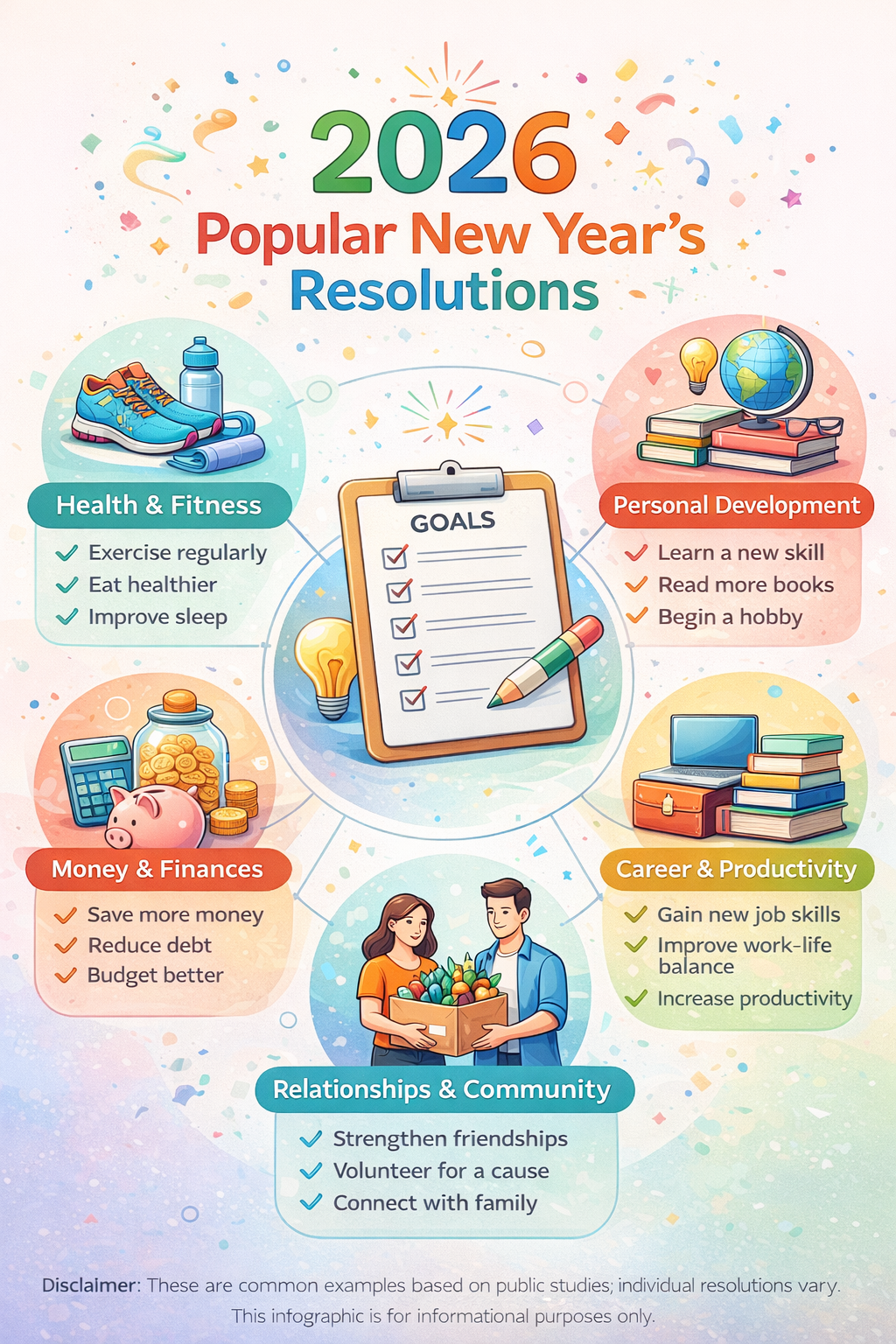
Visual summary of five common types of resolutions observed in 2026.
Common Types of Goals for 2026
The following are general categories of goals that individuals have been observed setting as New Year’s resolutions in 2026. These categories do not represent universal participation and are based on patterns in public surveys and behavior studies (hypothetical illustration follows).
1. Health and Well-Being
Goals under this category aim to support physical or mental health.
Hypothetical Example (Illustrative):
A person might plan to take 30 minutes of walking five days per week to support general fitness.
2. Personal Development and Learning
These goals focus on acquiring new skills or knowledge.
Hypothetical Example (Illustrative):
An individual may set a goal to complete an online course in digital literacy by mid-year.
3. Financial Management and Planning
Goals in this category relate to budgeting, saving, and financial organization.
-
Establishing a savings plan
-
Reducing discretionary spending
-
Planning for long-term financial goals
Hypothetical Example (Illustrative):
A saver might aim to deposit a fixed percentage of each paycheck into an emergency fund.
4. Social and Relationship Goals
Some resolutions focus on social connections and personal relationships.
-
Improving communication with family or friends
-
Expanding community involvement
-
Volunteering with charitable organizations
Hypothetical Example (Illustrative):
A goal could be to schedule regular virtual calls with distant relatives to maintain social connection.
5. Work, Career, and Productivity
Resolutions in this area address professional growth and time management.
-
Enhancing job-related skills
-
Establishing clearer work-life boundaries
-
Organizing daily routines for productivity
Hypothetical Example (Illustrative):
A professional may aim to complete time management training to support more structured daily workflow.
Trends and Observations
-
Variation Across Contexts:
New Year’s resolution practices differ across regions and individual priorities. Not all people observe or set resolutions.
-
Timing:
The practice is most commonly associated with the early calendar year transition (late December through January in many countries that follow the Gregorian calendar). Observance dates and cultural timing may vary.
-
Measurement:
Some goals are qualitative (e.g., “reduce stress”), others are quantitative (e.g., “read 12 books”). Public research often categorizes goals by theme rather than effectiveness outcomes.
Glossary of Relevant Terms
-
New Year’s Resolution: A self-chosen objective set at the start of a new calendar year to support personal change or improvement.
-
Goal Category: A thematic grouping of similar types of objectives (e.g., financial, health).
-
Observance Pattern: A descriptive term referring to how widely or commonly a practice is followed, without implying requirement or cultural uniformity.
FAQ
What is the origin of New Year’s resolutions?
The practice of making resolutions at the start of a new year has historical roots in various cultural traditions, often linked to reflection and renewal; specifics vary by society and historical period.
Are resolution goals the same worldwide?
No. Resolutions reflect individual preferences, cultural context, and societal norms; there is no single universal set of goals.
Do resolutions need to be measurable?
Resolution goals can be both qualitative and quantitative. The choice depends on how an individual frames their intention.
Disclaimer
This article is for general informational and educational purposes only. It does not constitute psychological, cultural, or behavioral guidance. Mentions of common goals or practices do not imply endorsement, guarantee of effectiveness, or universal relevance. Observance patterns may vary by individual choice and local context. Readers are encouraged to consult local or professional resources for personalized planning.
#NewYears2026, #Resolutions, #GoalSetting, #PersonalGrowth, #LifestyleTrends, #SelfImprovement, #FinanceGoals, #CareerDevelopment, #HealthyHabits, #SocialConnections
Explore the most common New Year’s resolutions for 2026 and learn how people are shaping their goals this year.

by iamrolanddiaz | Feb 22, 2026 | Princesang Reyna
Scope and Purpose
This article provides a neutral, research-informed overview of areas associated with observable demand signals in 2026 across career paths, business domains, investment themes, multi-level marketing structures, and skills development. The focus is analytical rather than predictive. It describes patterns that appear in labor statistics, institutional research publications, demographic studies, and regulatory discussions.
The term “opportunity” is used here in a descriptive sense. It refers to areas where measurable activity, resource allocation, or skill demand can be observed. It does not imply guaranteed outcomes, suitability for any specific individual, or financial gain. Outcomes vary depending on context, regulation, economic conditions, qualifications, and access to resources.
Global trend analysis typically relies on structured methodologies. These include longitudinal data comparisons, cross-regional labor reporting, macroeconomic indicators, and sector-based performance studies. Such methods identify demand signals without assuming certainty about future results.
The purpose of this overview is to improve understanding of how opportunity areas are identified and discussed in international research environments. It does not provide personal advice or promotional guidance.
Career Areas with Observable Demand Patterns
Labor market research across multiple regions frequently highlights sectors influenced by demographic change, technological integration, and regulatory requirements. Career demand is typically assessed using occupational growth projections, employer surveys, and workforce transition data.
Digital technology roles remain visible in employment outlook publications. Organizations across industries rely on data processing, cybersecurity frameworks, cloud infrastructure management, and software systems maintenance. These functions support both public and private institutions as digital transformation continues.
Healthcare and allied services are often referenced in workforce studies due to aging populations and expanded healthcare access. Roles in nursing, rehabilitation services, health administration, and medical technology support reflect structural demographic trends rather than short-term fluctuations.
Sustainability-related functions are associated with environmental compliance, energy reporting, renewable infrastructure projects, and resource efficiency monitoring. Regulatory frameworks in various jurisdictions require measurable environmental disclosures, contributing to specialized roles.
Education and skills facilitation positions reflect workforce adaptation. Instructional design, digital learning systems, and vocational retraining programs are frequently cited in research examining long-term labor market adjustments.
These areas represent demand signals documented in research, not guarantees of employment outcomes.
Business Domains with Active Market Engagement
Business activity in 2026 reflects structural shifts in consumer behavior, technological infrastructure, and environmental accountability. Observing engagement levels in specific sectors involves analyzing capital expenditure reports, industry studies, and regulatory filings.
Digital service infrastructure continues to adapt to distributed commerce systems. Logistics coordination platforms, online transaction processing tools, and data management services support organizations operating across borders. Growth in digital ecosystems often correlates with increased demand for technical maintenance, cybersecurity oversight, and compliance management.
Sustainability-adjacent enterprises are frequently discussed in environmental reporting frameworks. Businesses engaged in energy efficiency services, waste reduction technologies, and carbon reporting tools operate within regulatory and reporting structures that require measurable outcomes. These activities align with long-term environmental transition objectives rather than short-term speculative trends.
Health-oriented service models also appear in sector analysis. Administrative support systems, telehealth facilitation technologies, and preventive health programs are referenced in industry research addressing population needs.
Business engagement levels vary by jurisdiction, infrastructure capacity, and regulatory environment. Identifying active domains does not imply that any specific model will succeed. Market participation is influenced by operational competence, compliance adherence, cost management, and local economic conditions.
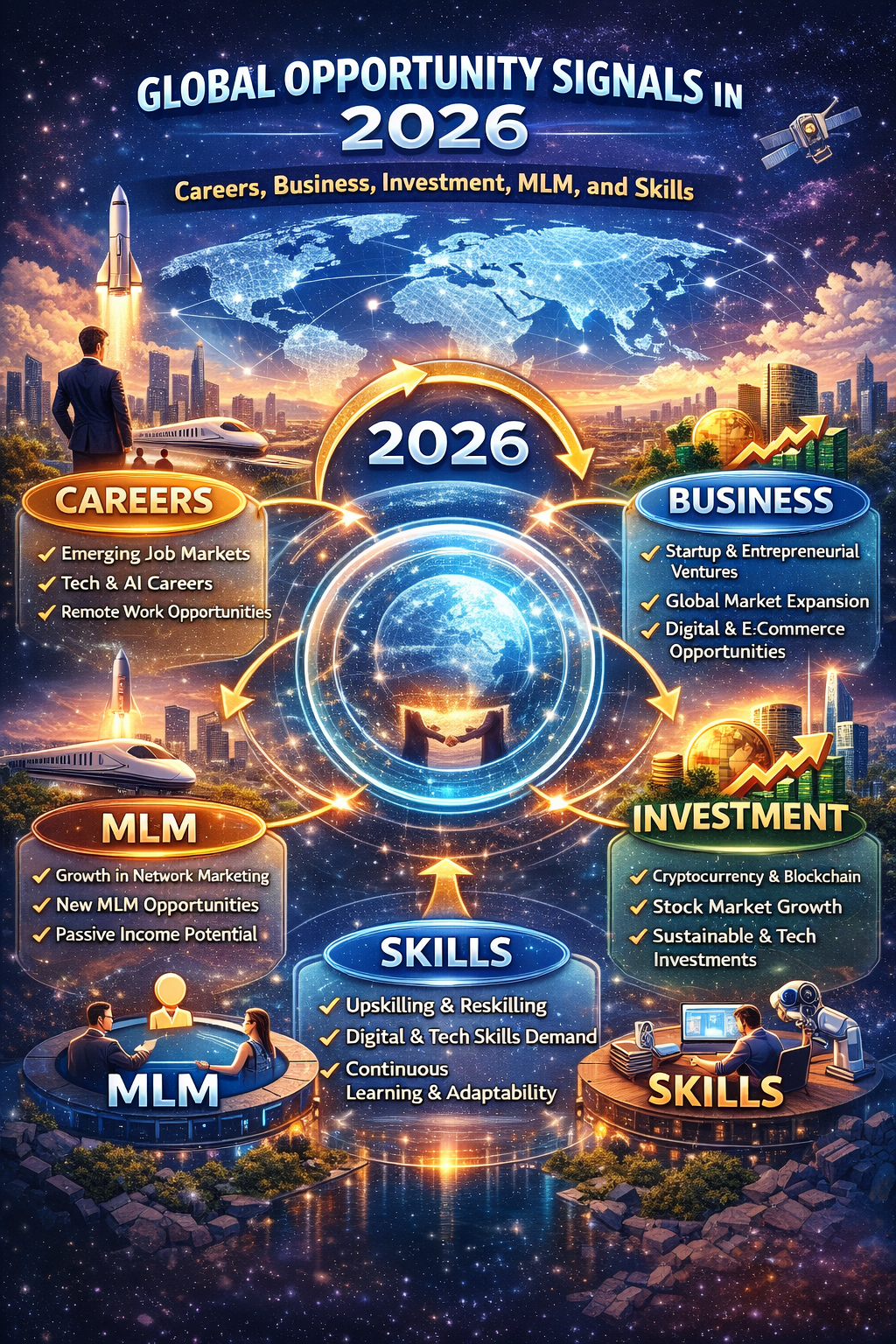
Infographic displaying global demand patterns in careers, business sectors, investment flows, MLM, and skill development.
Investment Themes Referenced in Institutional Research
Investment research institutions frequently categorize capital allocation into thematic segments to assess exposure and risk distribution. These themes are descriptive frameworks rather than recommendations.
Broad market index instruments are commonly referenced in long-term asset allocation discussions. Such instruments aim to track aggregate market performance across sectors, providing diversified exposure within a defined index methodology. Institutional reports often analyze historical volatility, drawdowns, and recovery cycles to contextualize these instruments.
Fixed income and sovereign securities remain components of diversified portfolios in many research models. Government-issued bonds and high-credit corporate instruments are evaluated for yield stability, credit risk, and duration sensitivity. Their performance is influenced by monetary policy, inflation expectations, and fiscal conditions.
Technology sector allocation is frequently examined in capital flow analysis. Institutional research explores innovation cycles, research and development expenditure, and adoption rates. Variability in valuation metrics is often discussed within risk assessment frameworks.
Investment themes are shaped by macroeconomic indicators, regulatory structures, and geopolitical considerations. Individual decisions depend on financial objectives, time horizons, and regulatory context. This overview does not endorse or recommend any allocation strategy.
Multi-Level Marketing (MLM): Structural and Regulatory Context
Multi-level marketing (MLM) models operate within defined regulatory frameworks in many jurisdictions. Oversight bodies distinguish between lawful direct selling models and unauthorized pyramid schemes based on compensation structure and product legitimacy.
A compliant MLM model generally includes verifiable product or service value independent of recruitment incentives. Regulatory agencies often examine compensation disclosures, refund policies, inventory requirements, and transparency in earnings representations. Documentation and contractual clarity are central compliance features.
Publicly available enforcement records from consumer protection agencies emphasize the importance of separating product-based revenue from recruitment-based compensation. In several jurisdictions, authorities require clear disclosure statements outlining income variability and participant risk.
Market participation patterns in MLM structures vary widely. Research often indicates significant differences between average participant earnings and advertised examples. This underscores the importance of reviewing official filings and documented disclosures.
Evaluating any network marketing structure requires attention to legal status, compensation documentation, and consumer rights protections applicable in a given region. This section provides structural context only and does not encourage participation.
Skills Development Areas with Ongoing Demand Signals
Skills development trends are frequently assessed through workforce readiness studies, employer surveys, and academic research examining technological adoption. In 2026, several foundational skill categories are repeatedly referenced in global reports.
Data literacy remains central to many professional environments. Basic statistical reasoning, interpretation of dashboards, and understanding of measurement limitations are increasingly integrated into diverse roles. Organizations rely on data-informed decision frameworks across sectors.
Digital tool proficiency extends beyond coding expertise. It includes cybersecurity awareness, cloud-based collaboration platforms, workflow automation tools, and digital documentation systems. As infrastructure becomes increasingly digitized, baseline technical familiarity is often required.
Communication and collaboration skills are consistently highlighted in workforce studies. Remote coordination, cross-cultural interaction, and structured problem-solving support distributed teams operating across time zones and regulatory environments.
Skills demand is shaped by structural technological shifts rather than isolated trends. However, proficiency levels required vary by role and region. Continuous learning patterns are frequently observed in labor market transitions, reflecting adaptation rather than guaranteed advancement outcomes.
Context: Structural vs. Cyclical Patterns
Opportunity analysis in global research environments distinguishes between structural and cyclical patterns. Structural trends represent long-term shifts driven by demographics, technological change, regulatory frameworks, or environmental transitions. Cyclical patterns reflect shorter-term economic fluctuations, such as changes in consumer spending, interest rates, or market sentiment.
For example, aging population data may indicate structural healthcare demand over decades. In contrast, quarterly hiring slowdowns may reflect cyclical economic adjustments. Separating these categories helps analysts avoid conflating temporary variation with systemic change.
Probability and uncertainty are central considerations in timing analysis. Historical pattern recognition can provide context, but it does not eliminate variability. External shocks, policy changes, or innovation breakthroughs can alter trajectories.
Recognizing demand signals requires verification through multiple sources, including official statistics, academic research, and institutional reporting. Misinterpretation of isolated data points may lead to inaccurate conclusions.
Understanding the distinction between structural and cyclical dynamics supports informed evaluation. However, it does not determine outcomes or eliminate risk.
Educational Glossary
Trend Analysis
A research method involving systematic review of historical and current data to identify recurring patterns. It does not assume future certainty.
Demand Signal
Observable evidence of engagement, hiring activity, capital allocation, or consumer participation within a sector.
Risk Profile
An analytical characterization of uncertainty, volatility, and potential variability associated with a domain or allocation category.
Structural Shift
A long-term transformation in economic, demographic, technological, or regulatory systems influencing activity patterns.
Cyclical Variation
Short-term fluctuation linked to economic cycles, seasonal effects, or temporary policy adjustments.
Regulatory Compliance
Adherence to applicable consumer protection laws, financial disclosure standards, and market conduct rules within a jurisdiction.
FAQ
What defines an opportunity in economic research?
An opportunity is typically identified through observable demand signals, measurable gaps in service provision, or efficiency differentials. It reflects conditions, not guaranteed results.
How is career demand typically measured?
Career demand is measured through occupational projections, employer surveys, demographic studies, and government labor statistics. These sources provide directional context rather than certainty.
What should be examined in network marketing models?
Evaluation typically includes compensation transparency, regulatory status, verifiable product demand, contractual terms, and consumer protection safeguards.
Disclaimer
This article is for general informational and educational purposes only. It does not constitute professional financial, investment, legal, academic, or career advice. References to trends, timing strategies, probabilities, or opportunities do not imply endorsement or guarantee of outcomes. Readers are encouraged to verify information through official and reputable sources and exercise independent judgment when making decisions.
#GlobalTrends2026, #CareerInsights, #BusinessPatterns, #InvestmentSignals, #SkillDevelopment, #MLMStructures, #WorkforceEvolution, #MarketAnalysis, #OpportunitySignals, #EducationalOverview
Explore the latest educational insights on global opportunity signals in 2026 across careers, business, investment, MLM, and skills—delve into the full analysis here.
by iamrolanddiaz | Feb 21, 2026 | Princesang Reyna
An educational overview of airline technology trends, practical adoption, and global regulatory considerations.
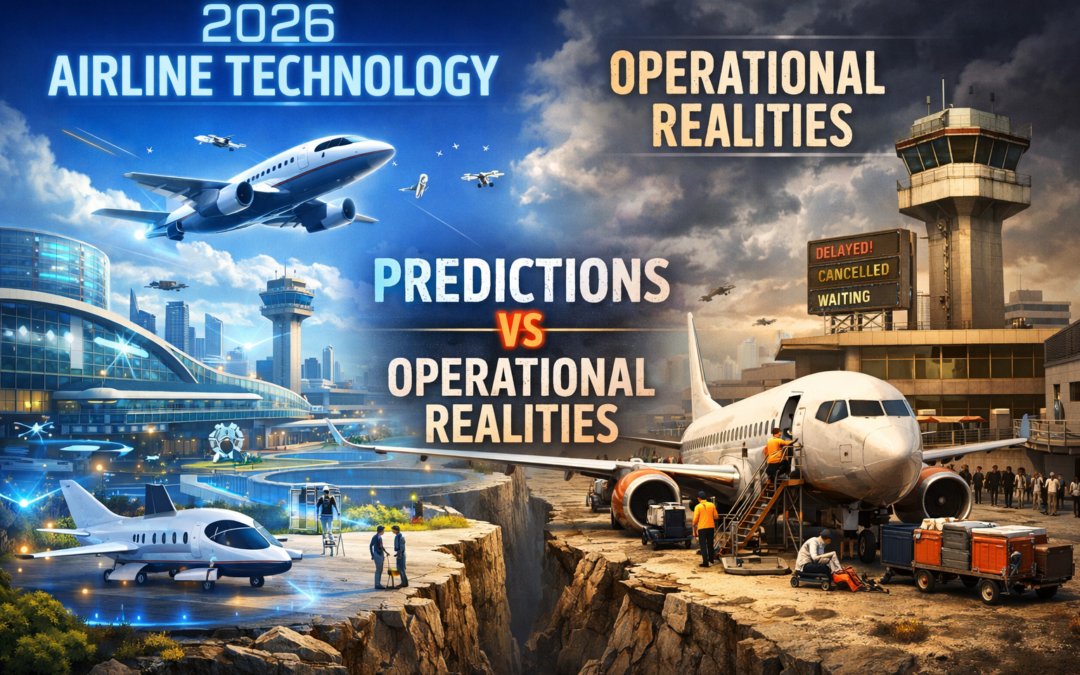
Airline technology evolves rapidly, but not all predicted innovations achieve practical or widespread operational impact. This article examines major 2026 technology forecasts for airlines, comparing them with technologies that demonstrably enhance safety, efficiency, and passenger service. References align with ICAO, IATA, FAA, and EASA guidance to ensure factual, neutral, and jurisdiction-neutral coverage.
Predicted Airline Technologies for 2026
-
Autonomous Flight Systems: Some forecasts anticipated fully autonomous or pilot-assist aircraft.
-
AI-Based Customer Service: Chatbots and automated systems expected to replace most human interactions.
-
Electric and Hybrid Aircraft: Predictions suggested near-term adoption of large-scale electric passenger aircraft.
-
Supersonic Travel: Commercial supersonic flights were projected to re-enter service.
-
Advanced Biometrics: Seamless passenger identity verification through facial recognition at all airport touchpoints.
Operational Realities and Practical Adoption
-
Pilot Assistance vs Full Autonomy: While autopilot and augmented decision-support systems are widely implemented, ICAO and national regulations still require human oversight for safety-critical decisions. Fully autonomous commercial aircraft remain experimental.
-
AI Customer Service: Automation supports routine inquiries, but human staff remain essential for complex passenger needs, security compliance, and safety communication.
-
Electric/Hybrid Aircraft: Currently limited to small regional aircraft. Regulatory certification and energy density constraints restrict widespread adoption for commercial airliners.
-
Supersonic Travel: Regulatory noise, emissions standards, and operational costs limit re-entry to niche routes. Supersonic travel is not yet mainstream.
-
Biometric Identity Systems: Growing implementation in airports globally, but integration with security regulations varies by country. Data privacy and passenger consent remain mandatory under ICAO, IATA, and national law.
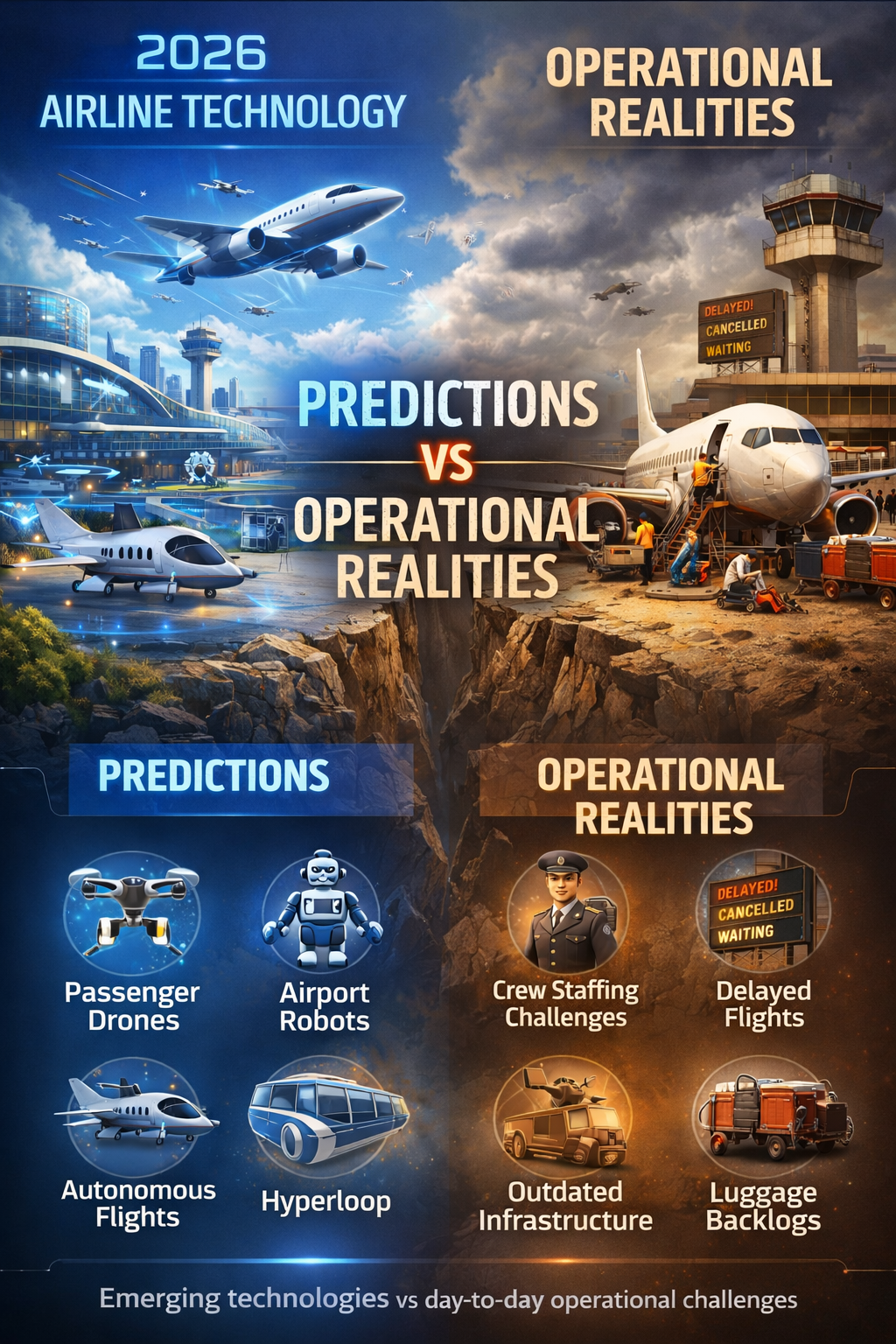
Infographic showing predicted airline innovations and operational realities.
Key Technologies That Actually Matter
-
Enhanced Safety Systems
-
Digital Flight Operations
-
Passenger Experience Enhancements
-
Sustainability Initiatives
Hypothetical Scenario
Scenario: An airline predicted widespread adoption of electric narrow-body aircraft by 2026. In practice, routes still rely on conventional jet fuel aircraft due to limited battery capacity and certification delays. Safety systems remain unchanged, while digital monitoring enhances flight efficiency. Regulatory authorities require incremental approval before introducing electric aircraft to commercial operations.
Context
-
ICAO Annex 6 and 8 regulate aircraft certification, ensuring technology integration does not compromise safety.
-
IATA provides operational guidelines for emerging technology adoption.
-
FAA and EASA review pilot-assist systems, sustainable fuel usage, and advanced avionics before allowing commercial deployment.
-
National authorities enforce compliance with security, noise, and emissions standards, moderating adoption speed.
FAQ
Q: Are fully autonomous commercial flights in service in 2026?
A: No. Current systems assist pilots but do not replace human oversight. Regulatory standards mandate certified flight crew for all commercial operations.
Q: How widely are electric aircraft used for commercial flights?
A: Limited use exists for small regional aircraft. Widespread adoption is constrained by energy density, range, and regulatory certification requirements.
Q: What technologies have the most operational impact today?
A: Safety management systems, predictive maintenance, digital flight operations, and sustainable aviation fuels are demonstrably impactful.
Trusted Sources
-
ICAO: Aircraft operations and technology safety manuals
-
IATA: Technology implementation and safety guidelines
-
FAA: U.S. pilot assistance and avionics regulations
-
EASA: European aircraft certification and technology oversight
-
National Civil Aviation Authorities
Disclaimer
This article is for general informational and educational purposes only. It does not constitute professional career, legal, regulatory, or aviation advice. References to airline technology and operational practices do not imply endorsement or guarantee outcomes. Readers are encouraged to consult official aviation authorities and qualified professionals for jurisdiction-specific guidance.
#AirlineTechnology, #AviationInnovation, #FlightSafety, #DigitalAviation, #SustainableAviation, #ICAOStandards, #IATACompliance, #FAARegulations, #EASACompliance, #OperationalAviation
Compare 2026 airline technology predictions with operational realities to understand which innovations genuinely impact aviation safety, efficiency, and passenger experience. Explore the evolution of airline tech today.
by iamrolanddiaz | Feb 21, 2026 | Princesang Reyna
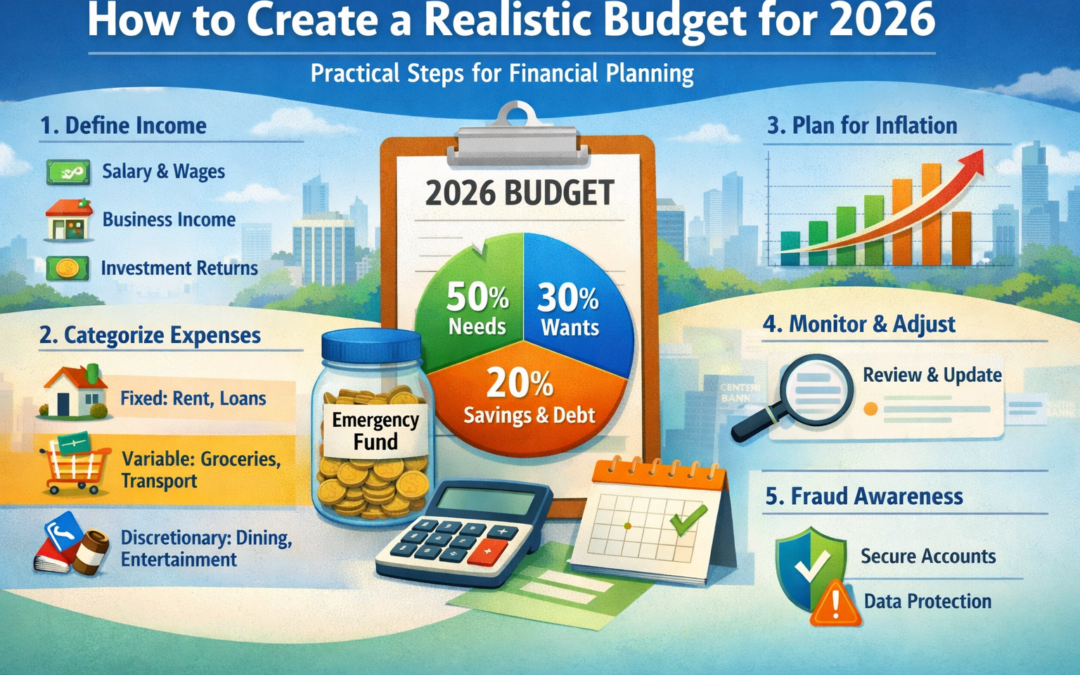
A neutral, informational guide to structuring personal budgets using standard financial planning principles
Creating a realistic budget involves documenting income, categorizing expenses, and monitoring spending patterns over a defined period. Under applicable central banking and consumer protection regulations, financial institutions are required to provide transparent account statements and fee disclosures, which can assist individuals in organizing accurate financial records. This article explains budgeting fundamentals, commonly used methods, and consumer awareness considerations for 2026.
1. Define Net Income
A realistic budget begins with calculating net income, which is income received after taxes and mandatory deductions. Sources may include:
-
Employment wages or salary
-
Business income
-
Government benefits (where applicable)
-
Investment income (variable and not guaranteed)
Using documented amounts from bank statements or payroll summaries can improve accuracy.
2. Categorize Expenses
Expenses are generally grouped into three categories:
Fixed Expenses
Costs that remain relatively stable each month:
Variable Expenses
Costs that fluctuate:
-
Utilities
-
Groceries
-
Transportation
-
Medical expenses
Discretionary Spending
Non-essential spending:
Clear categorization helps identify patterns and potential adjustments.
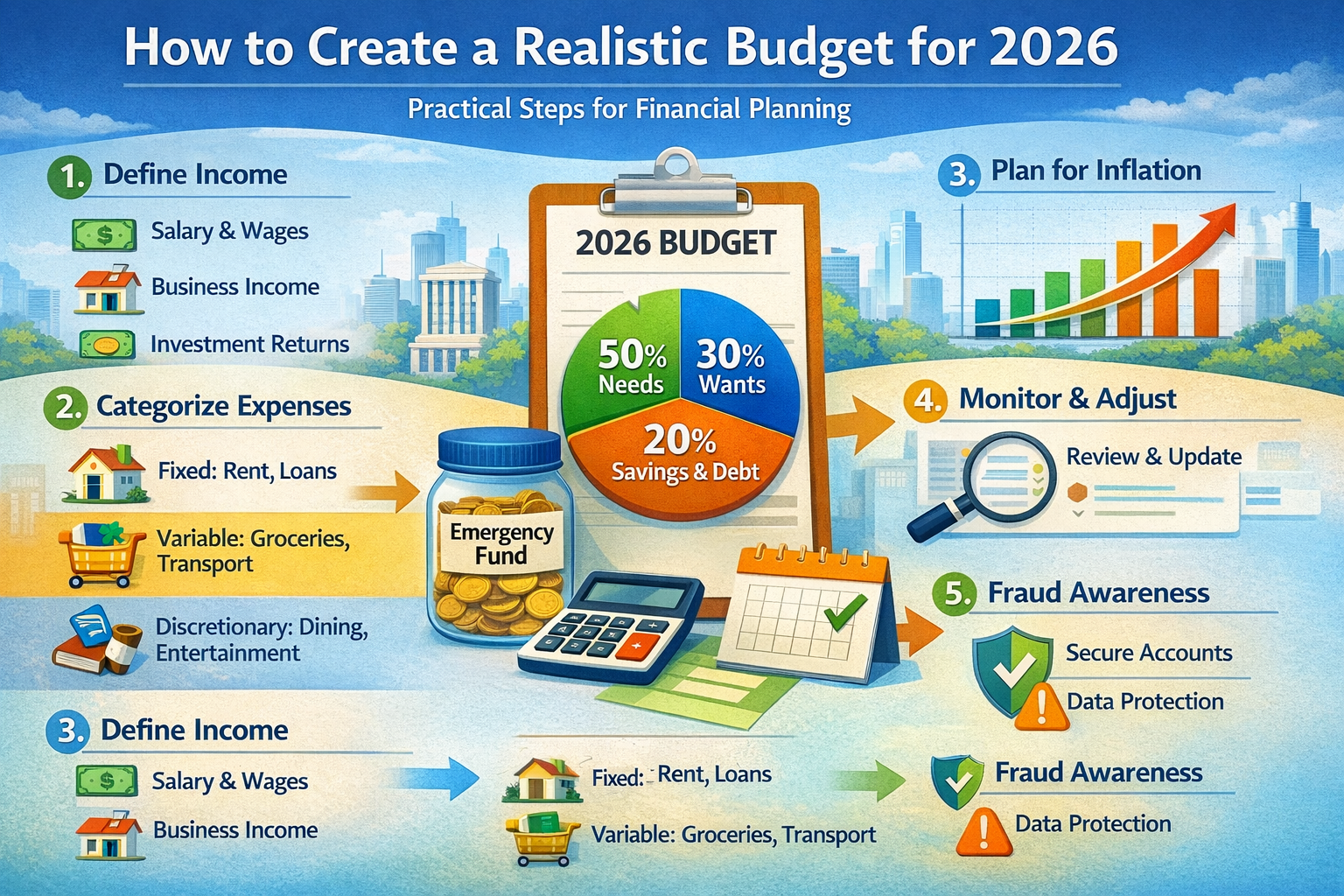
Structured visual summary of budgeting categories, allocation examples, and monitoring elements for 2026.
3. Apply a Budgeting Framework
Several structured budgeting approaches are commonly referenced in financial education materials.
Percentage-Based Model (Illustrative Example)
A commonly discussed structure allocates income across categories. For example (hypothetical illustration only):
This is not a requirement and may not fit all circumstances. Allocation percentages vary depending on income level, location, and household structure.
Zero-Based Budgeting
Every unit of income is assigned a category so that income minus expenses equals zero at the end of the planning period. This method emphasizes detailed tracking.
Envelope or Category Caps
Spending limits are assigned to categories. When the allocated amount is used, additional spending in that category stops until the next period.
4. Include Savings and Emergency Planning
Savings are typically structured for:
-
Emergency funds
-
Short-term goals
-
Long-term objectives
Interest earned on savings accounts depends on institutional policies and prevailing rates set within the broader monetary environment. Returns are variable and not guaranteed.
Under many national regulatory systems, deposits may be protected up to a statutory limit by deposit insurance schemes administered by central banks or designated authorities.
5. Account for Inflation and 2026 Economic Conditions
Budgeting for 2026 may require reviewing:
Central banks regularly publish monetary policy updates that may influence borrowing costs and savings yields.
6. Monitor and Adjust Periodically
Budgets are operational tools rather than fixed contracts. Monthly or quarterly review may help identify:
Many digital banking systems provide transaction tracking tools to support expense monitoring.
7. Consumer Protection and Fraud Awareness
When using digital tools or financial apps:
-
Verify that institutions are licensed by appropriate regulatory authorities
-
Avoid sharing personal identification details through unsecured channels
-
Review privacy policies and data protection disclosures
Applicable consumer protection regulations and data protection frameworks typically require transparent disclosure of fees and secure handling of personal information.
FAQ
What is an emergency fund?
An emergency fund is a reserve of money set aside for unexpected expenses such as medical costs or urgent repairs. The size varies by household and financial obligations.
How often should a budget be reviewed?
Review frequency varies. Many financial education sources suggest monthly or quarterly review to reflect changes in income or expenses.
Are budgeting apps regulated?
Regulation depends on the jurisdiction and whether the provider qualifies as a financial institution. Data protection laws and consumer protection rules may apply.
Trusted Sources for Further Reference
-
National central banks
-
Government consumer protection agencies
-
Financial literacy divisions of monetary authorities
-
Accredited academic institutions offering personal finance education
Disclaimer
This article is for general informational and educational purposes only. It does not constitute financial, banking, legal, or investment advice. References to institutions, account types, or financial structures do not imply endorsement or guarantee results. Readers should consult official regulatory sources and licensed professionals for decisions specific to their jurisdiction.
#FinancialLiteracy, #BudgetPlanning2026, #MoneyManagement, #PersonalFinanceEducation, #ExpenseTracking, #IncomeAllocation, #SavingsStructure, #HouseholdPlanning, #EconomicAwareness, #FinanceConcepts
Explore the full article to review the budgeting structures, allocation models, and financial planning concepts outlined for 2026.