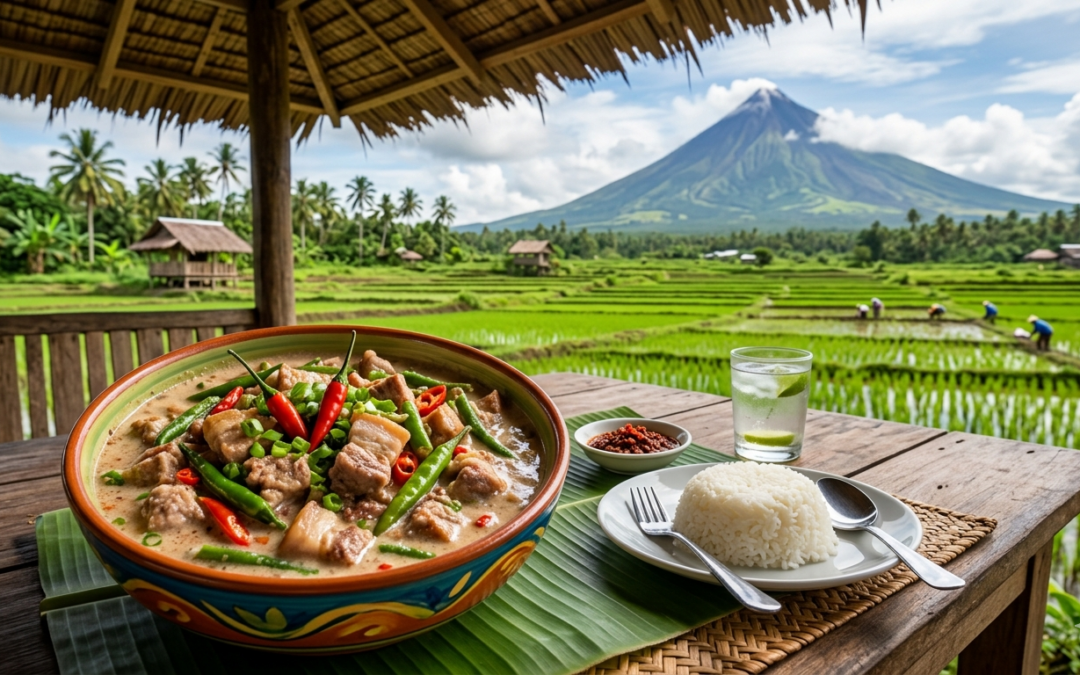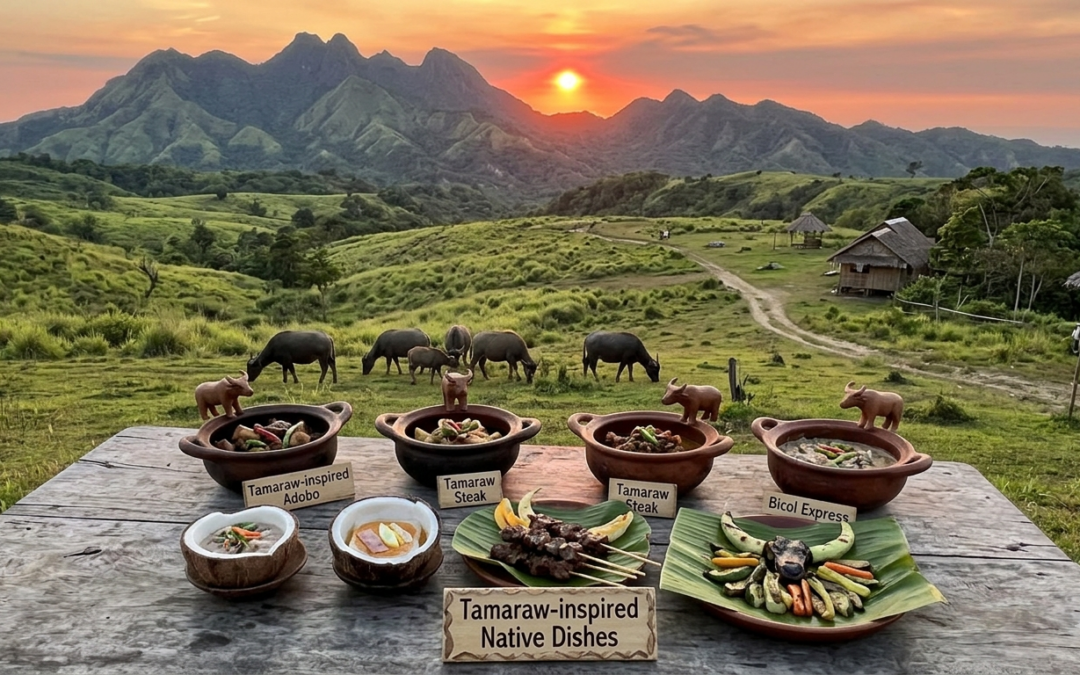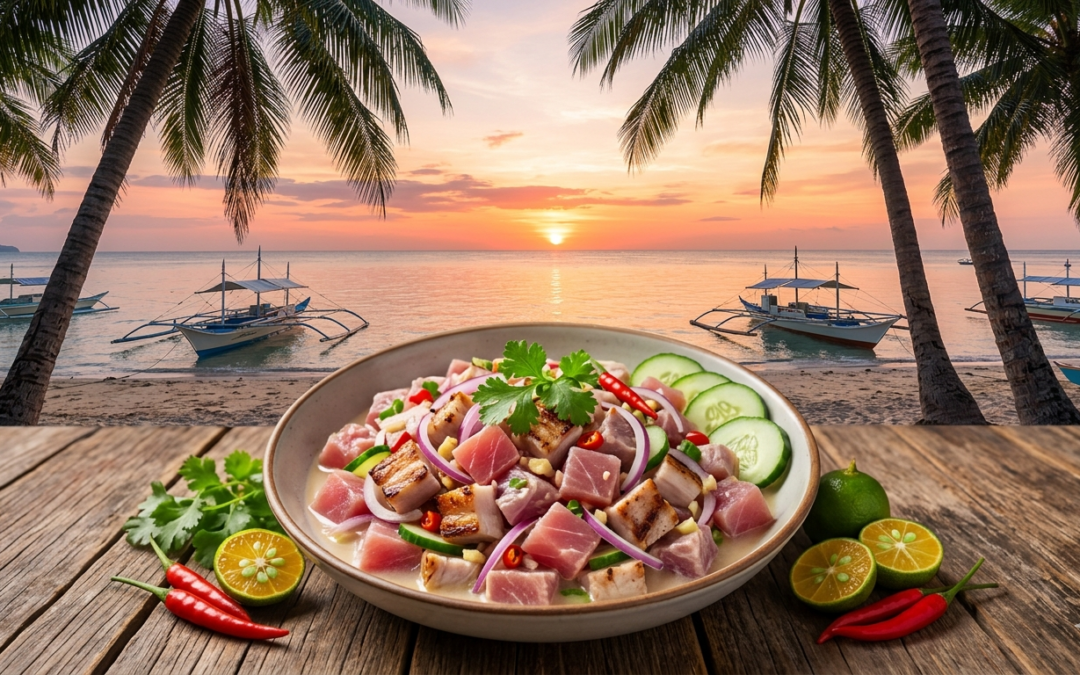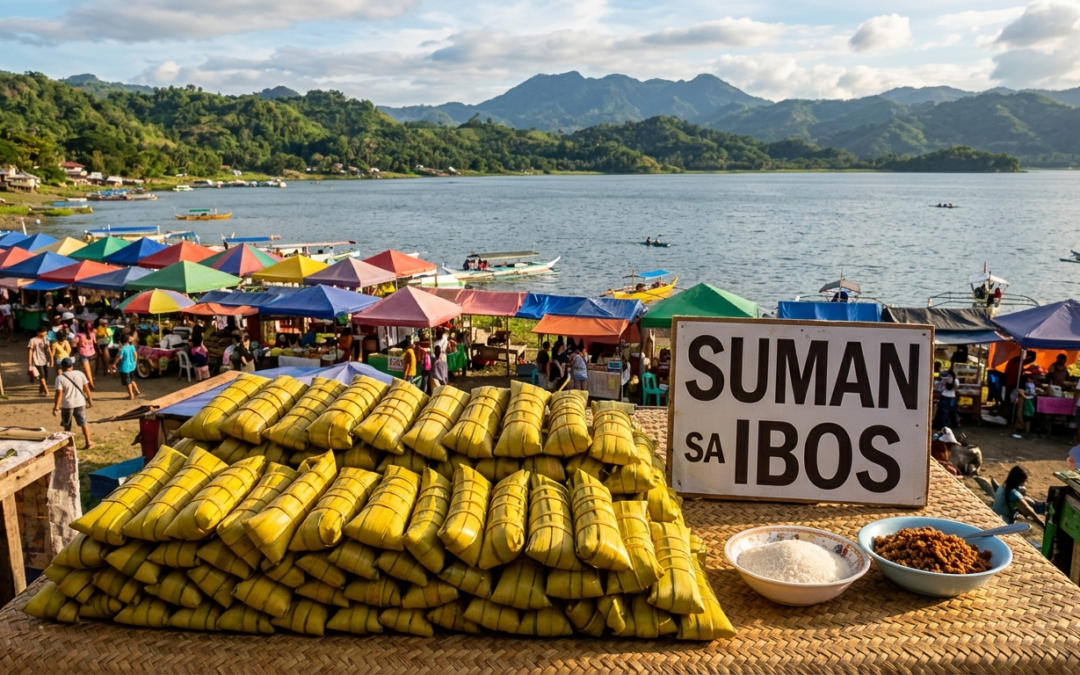
Adobo is one of the most widely recognised dish names associated with Philippine cuisine. While versions of adobo exist across many regions, its earliest documented culinary roots are often discussed in relation to Tagalog cooking practices in pre-colonial and early colonial periods. This article presents a cultural and historical overview of adobo, with emphasis on its Tagalog origins, without ranking, endorsement, or dietary framing.
Table of Contents
- Why This Dish Matters in Philippine Culture
- Dish Overview
- Tagalog Origins and Historical Context
- Regional Variations and Naming
- Serving or Occasion Context
- FAQs
- Trusted Sources
- Mandatory Disclaimer
Why This Dish Matters in Philippine Culture
Adobo is frequently referenced in discussions about Philippine food identity due to its long history and wide regional presence. The dish name appears in historical records from the Spanish colonial period, yet its preparation methods are linked to much earlier indigenous practices. Because of this layered history, adobo is often used as an example when examining how local food traditions interacted with colonial documentation rather than replacement.
Dish Overview
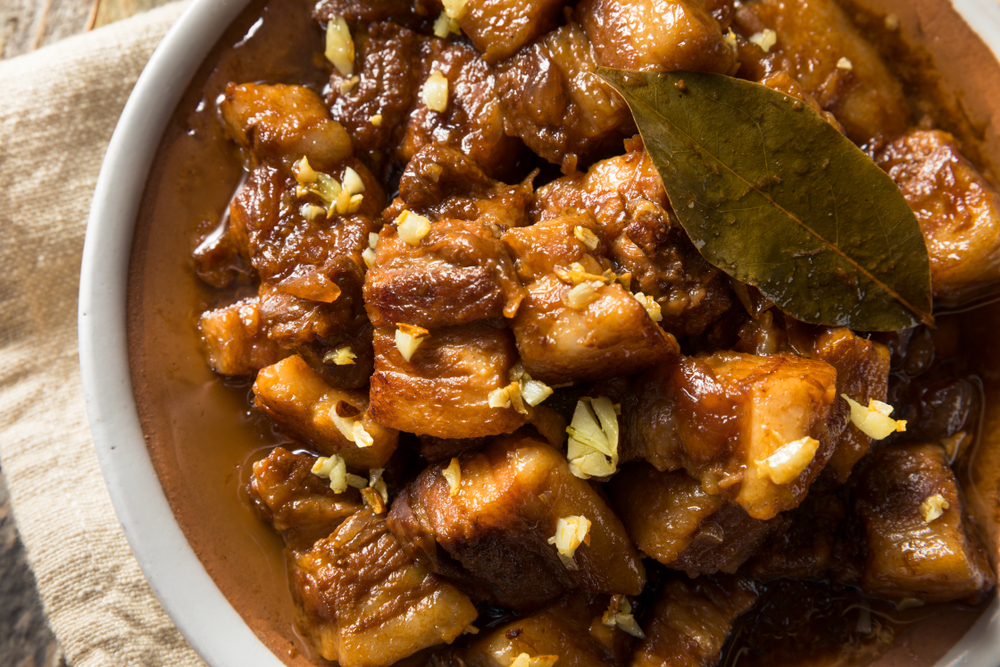
Adobo generally refers to a method of preparing meat or seafood using vinegar, salt, and other commonly mentioned ingredients. In Tagalog contexts, the dish is typically described by its sour and savoury profile rather than by a fixed recipe. The name “adobo” is understood as a later label applied to an existing cooking method rather than the origin of the method itself.
Tagalog Origins and Historical Context
Before Spanish contact, Tagalog communities are documented as using vinegar and salt to preserve and flavour food. Early Spanish chroniclers applied the term “adobo” to these dishes because of perceived similarities to Iberian marinating techniques. Despite the shared name, Tagalog adobo developed independently and reflects local ingredients, climate considerations, and preservation practices.
Regional Variations and Naming
While this article focuses on Tagalog origins, adobo is not exclusive to one region. Different Philippine regions use the same name to describe dishes that vary in ingredients and preparation style. These variations are generally understood as regional interpretations rather than deviations from a single standard version.
Serving or Occasion Context
Adobo is commonly mentioned in everyday meal contexts as well as in discussions of household cooking traditions. It is often referenced in cultural writing as a dish prepared in advance due to its method of preparation. These descriptions reflect common narratives rather than guidance or recommendations.
FAQs
What is adobo in general?
Adobo refers to a group of Filipino dishes prepared using vinegar and salt as key flavouring elements. The term describes a method rather than a single fixed recipe. Variations exist across regions and households.
Where is adobo commonly associated?
Adobo is associated with many parts of the Philippines, including Tagalog-speaking regions of Luzon. Historical accounts often link early forms of the dish to Tagalog cooking practices. Its presence across regions reflects long-term local adaptation.
What ingredients are typically mentioned in Tagalog adobo?
Tagalog adobo is commonly described as using vinegar, salt, and meat such as pork or chicken. Other ingredients may be mentioned depending on the source or household tradition. These descriptions are observational rather than prescriptive.
How is adobo usually described in cultural writing?
Adobo is often described as savoury and tangy due to its use of vinegar. Cultural texts focus on its method of preparation and historical continuity. Descriptions avoid defining a single authoritative version.
What is the difference between Tagalog adobo and other regional adobos?
Tagalog adobo is commonly noted for its emphasis on vinegar and minimal use of sweeteners. Other regional versions may highlight different flavour balances or ingredients. These differences reflect regional food traditions rather than hierarchy.
Trusted Sources
-
Alcina, F. I. Historia de las Islas e Indios de Bisayas
-
Fernandez, D. G. Tikim: Essays on Philippine Food and Culture
-
National Commission for Culture and the Arts (NCCA) – Philippine Food Heritage resources
-
National Library of the Philippines – historical culinary references
Mandatory Disclaimer
This content is provided for cultural and educational purposes only. Dish names, ingredients, and descriptions are presented neutrally and do not imply endorsement, preference, nutritional value, or consumption guidance. Cultural interpretations are based on documented sources and may vary by region and historical account.