Tiyula Itum: Traditional Filipino Black Soup and Its Nutritional Overview
An educational overview of Tiyula Itum, its ingredients, and dietary considerations.
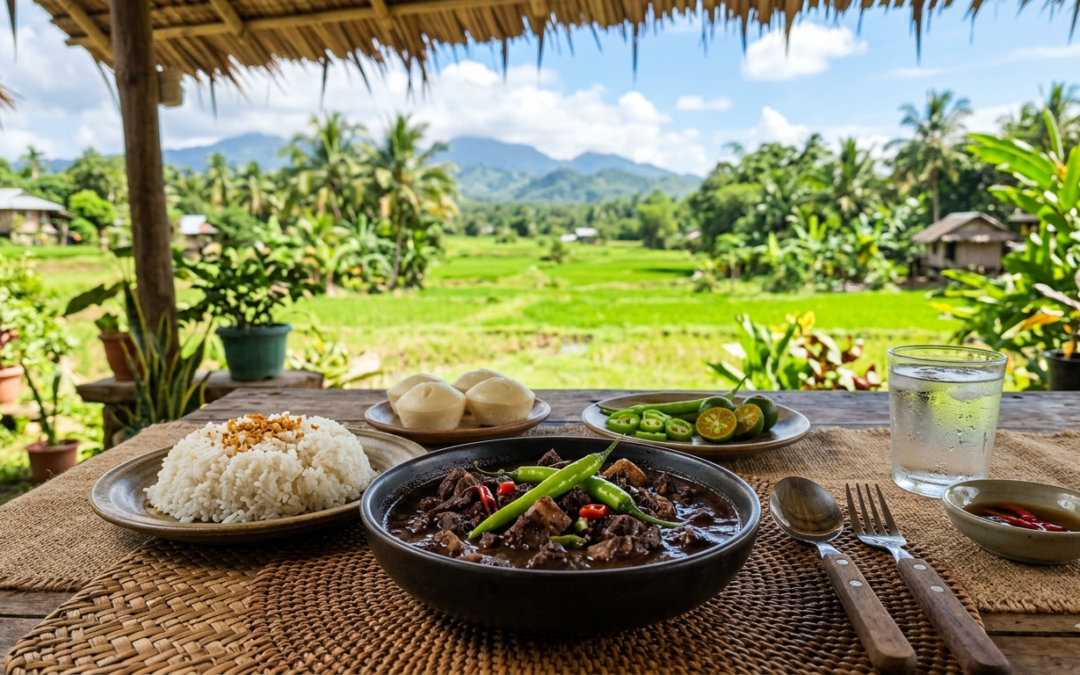
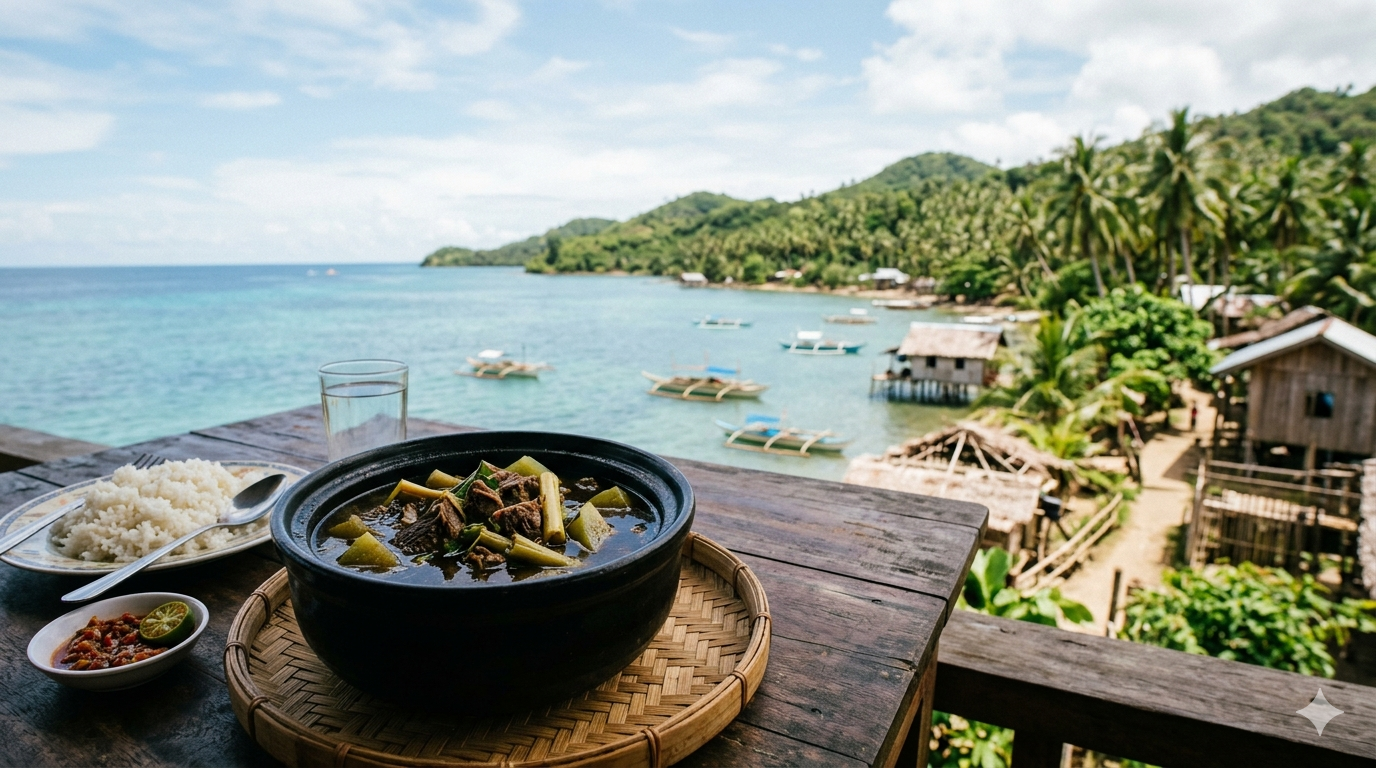
Tiyula Itum is a traditional Filipino dish from the Tausug people of Mindanao. It is a black-colored soup primarily made with beef or goat meat, coconut milk, and burnt coconut for coloring. This article provides a neutral exploration of its typical ingredients, nutritional components, and general dietary considerations under Philippine food safety and consumer protection guidelines.
Ingredients and Nutritional Components
Tiyula Itum is generally prepared using the following ingredients:
- Meat (beef or goat): A source of protein, iron, and vitamin B12. Protein supports cellular function and tissue repair.
- Burnt coconut (charred coconut meat): Provides color and a small amount of dietary fiber. Charred components may contain trace antioxidants but are mostly used for flavoring and appearance.
- Coconut milk: Contains saturated fat and contributes to energy intake; also a source of potassium and magnesium.
- Spices (e.g., turmeric, ginger, garlic, lemongrass, chili): Add flavor and phytochemicals but generally contribute minimal macronutrients.
- Rice (commonly served as a side): A carbohydrate source providing energy and fiber if unrefined.
Dietary Considerations
- Portion balance: Combining protein, fats, and carbohydrates supports overall nutrient balance.
- Saturated fat intake: Coconut milk is high in saturated fat, so moderation is advisable, particularly for individuals monitoring lipid intake.
- Food safety: Under Philippine food safety standards (DOH, FDA), meat should be properly cooked to reduce microbial contamination. Proper handling and storage are essential.
Hypothetical Nutrient Breakdown (per 1 serving, approx. 250g)
| Nutrient | Approximate Amount |
|---|---|
| Calories | 250–350 kcal |
| Protein | 15–20 g |
| Fat | 15–20 g (mostly from coconut milk) |
| Carbohydrates | 10–15 g |
| Fiber | 1–2 g |
| Sodium | Variable (depends on added salt and seasoning) |
Context
In nutrition science studies, traditional dishes like Tiyula Itum are recognized for cultural and culinary value rather than specific health outcomes. Under consumer protection and labeling standards, it is important to understand ingredient content, portion sizes, and preparation methods. Dietary results vary individually, and consulting licensed nutrition or medical professionals can help with personal dietary planning.
FAQs
Q1: What is Tiyula Itum?
A traditional black-colored soup from Mindanao, Philippines, typically made with meat, coconut milk, and charred coconut.
Q2: What nutrients does it provide?
Primarily protein, saturated fats, and some micronutrients like iron, potassium, and magnesium.
Q3: Is Tiyula Itum considered a balanced meal?
It contains protein and fats, and when paired with a carbohydrate source like rice, it can contribute to a balanced macronutrient intake. Individual needs vary.
Trusted Sources
- Department of Health (DOH) Philippines — Food Safety Guidelines
- Food and Drug Administration (FDA) Philippines — Nutrition Labeling References
- Academic references on Filipino culinary practices (peer-reviewed journals on food science and nutrition)
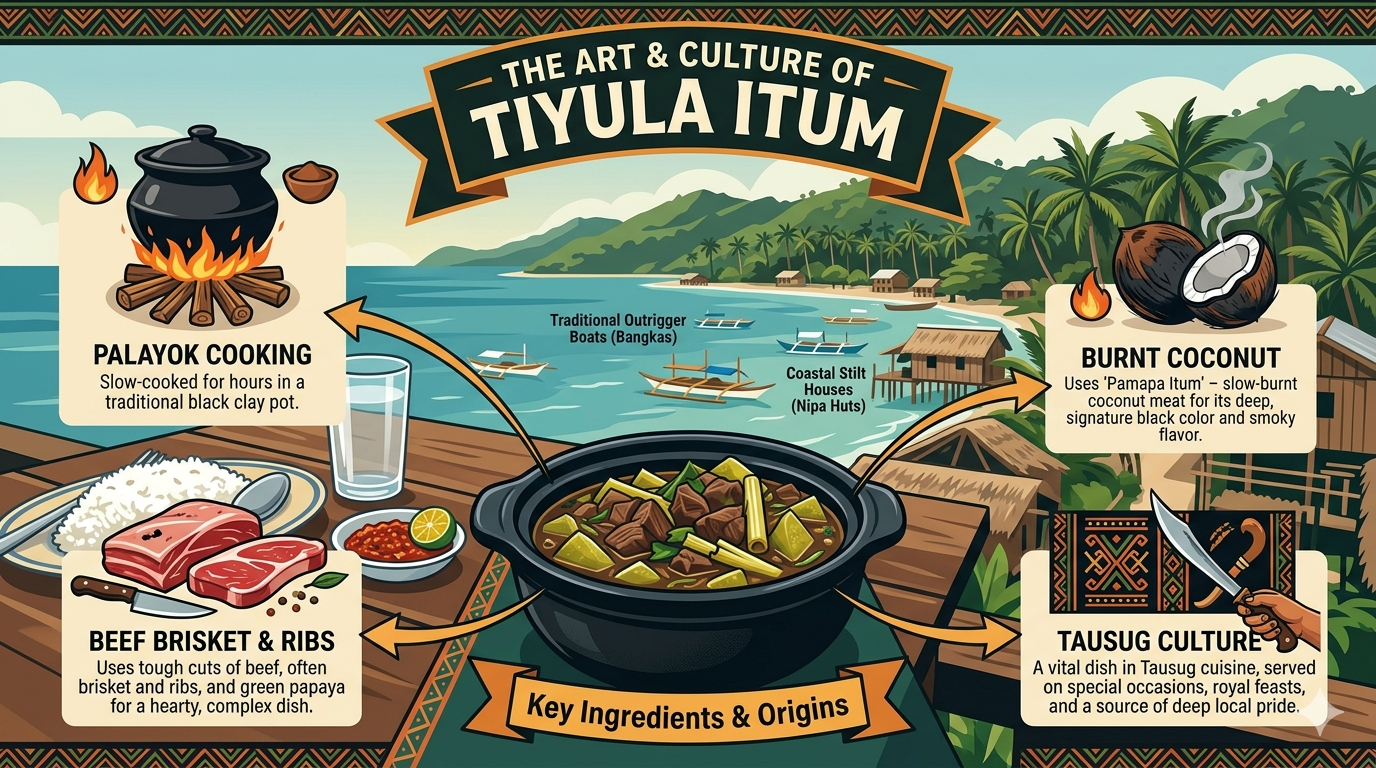
Illustrative infographic displaying key ingredients of Tiyula Itum soup
Disclaimer
This article is for general informational and educational purposes only. It does not constitute professional medical, nutrition, or dietary advice. References to dishes, foods, or ingredients do not imply endorsement or guarantee of health outcomes. Readers are encouraged to consult licensed nutritionists, dietitians, or medical professionals for personalized guidance.