Understanding Randang: Nutritional and Cultural Insights into the Maranao Version
A neutral overview of ingredients, macronutrients, and meal planning considerations.
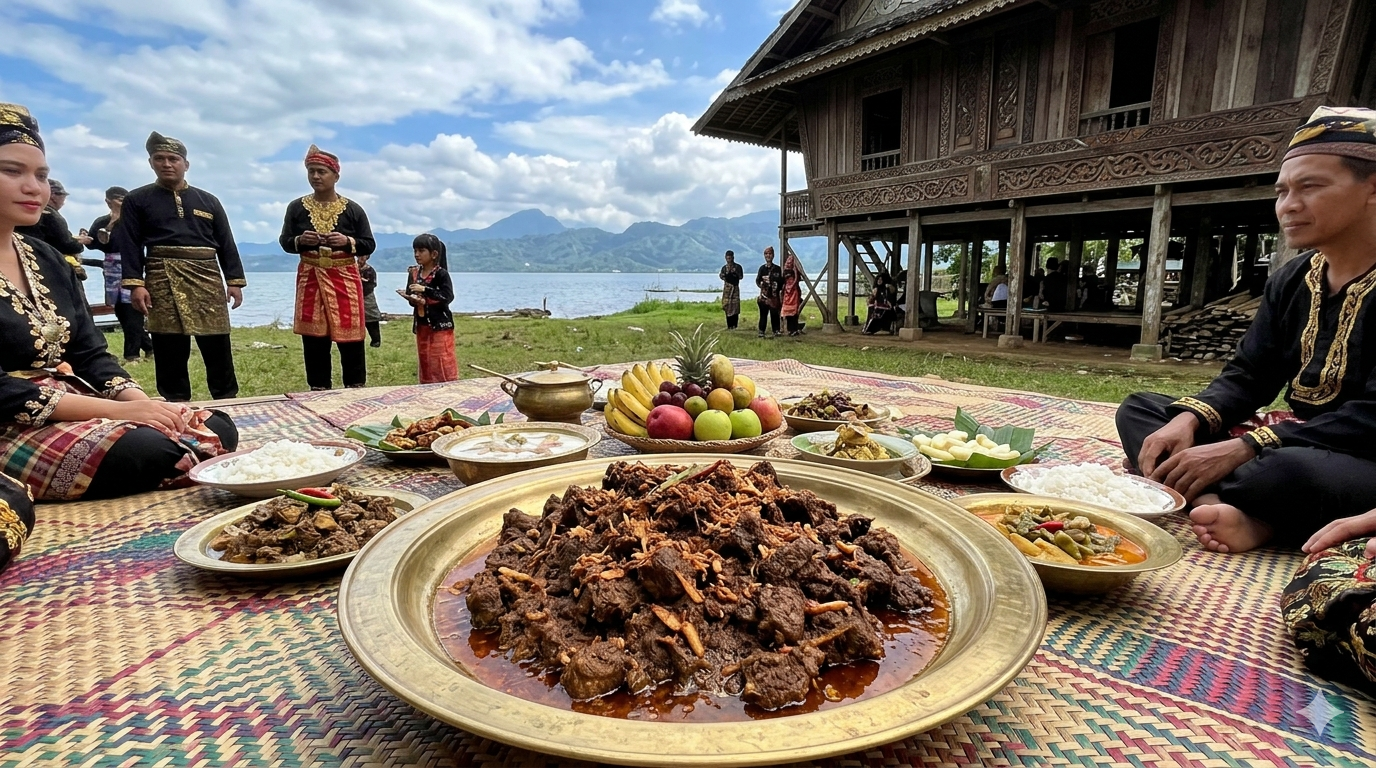
Randang, the Maranao variation of a slow-cooked meat dish, is a staple in Mindanaoan cuisine. This article provides an educational overview of its nutritional components, key ingredients, and hypothetical ways it can fit into balanced meal planning. It references general nutrition principles and Philippine consumer protection standards as outlined by the DOH, FDA, and DTI.
Ingredients and Composition
Maranao Randang typically includes:
- Protein sources: beef, goat, or chicken
- Coconut milk: provides fat, mainly saturated fatty acids
- Spices and aromatics: garlic, ginger, turmeric, lemongrass, chili, and onions
- Optional additions: potatoes, carrots, or other root vegetables
These ingredients contribute macronutrients:
- Protein: important for muscle maintenance and cellular function
- Fat: coconut milk adds energy-dense lipids, mostly saturated fat
- Carbohydrates: present in added vegetables or when served with rice
Micronutrients can include:
- Iron and zinc from meat
- Vitamin C, potassium, and dietary fiber from vegetables
- Phytonutrients from herbs and spices
Hypothetical Meal Planning Considerations
In neutral meal planning, Randang can be considered a protein- and fat-rich dish. Some educational tips for planning around it:
- Portioning meat appropriately (roughly 85–100g cooked per person as a reference)
- Including a variety of vegetables to balance fiber and micronutrient intake
- Serving with moderate portions of rice or whole grains for carbohydrate balance
- Combining with water or other beverages to maintain hydration
These are illustrative examples only, not prescriptive advice. Individual dietary needs vary.
Safe Preparation and Consumer Awareness
Under Philippine food safety standards:
- Ensure meat is fully cooked to prevent foodborne illness
- Store leftovers promptly at safe temperatures
- Read ingredient labels if using packaged coconut milk or spice mixes to check for additives, sodium content, or preservatives
Context
In nutrition science studies, traditional dishes like Randang provide insight into macronutrient distribution and regional dietary patterns. Under consumer protection and labeling standards, awareness of portion size, cooking methods, and ingredient composition supports informed dietary choices. Results of including any dish in a diet vary individually, and consulting licensed nutrition or medical professionals is recommended for personalized guidance.
FAQs
What is Randang?
Randang is a slow-cooked meat dish originating from the Maranao people of Mindanao, Philippines, characterized by coconut milk, spices, and sometimes vegetables.
What are the main nutrients in Randang?
Randang primarily provides protein from meat, fats from coconut milk, and micronutrients from spices and vegetables.
How can Randang fit into balanced meal planning?
It can be part of a balanced meal by pairing with vegetables and appropriate portions of rice or grains, focusing on nutrient variety and moderation.
Trusted Sources
- Department of Health (DOH) Philippines – Nutrition and Food Safety Advisories
- Food and Drug Administration (FDA Philippines) – Food Labeling Guidelines
- Philippine Dietary Reference Intakes (PDRI) – Nutrient Guidelines
- Peer-reviewed journals on Southeast Asian cuisine and nutrition
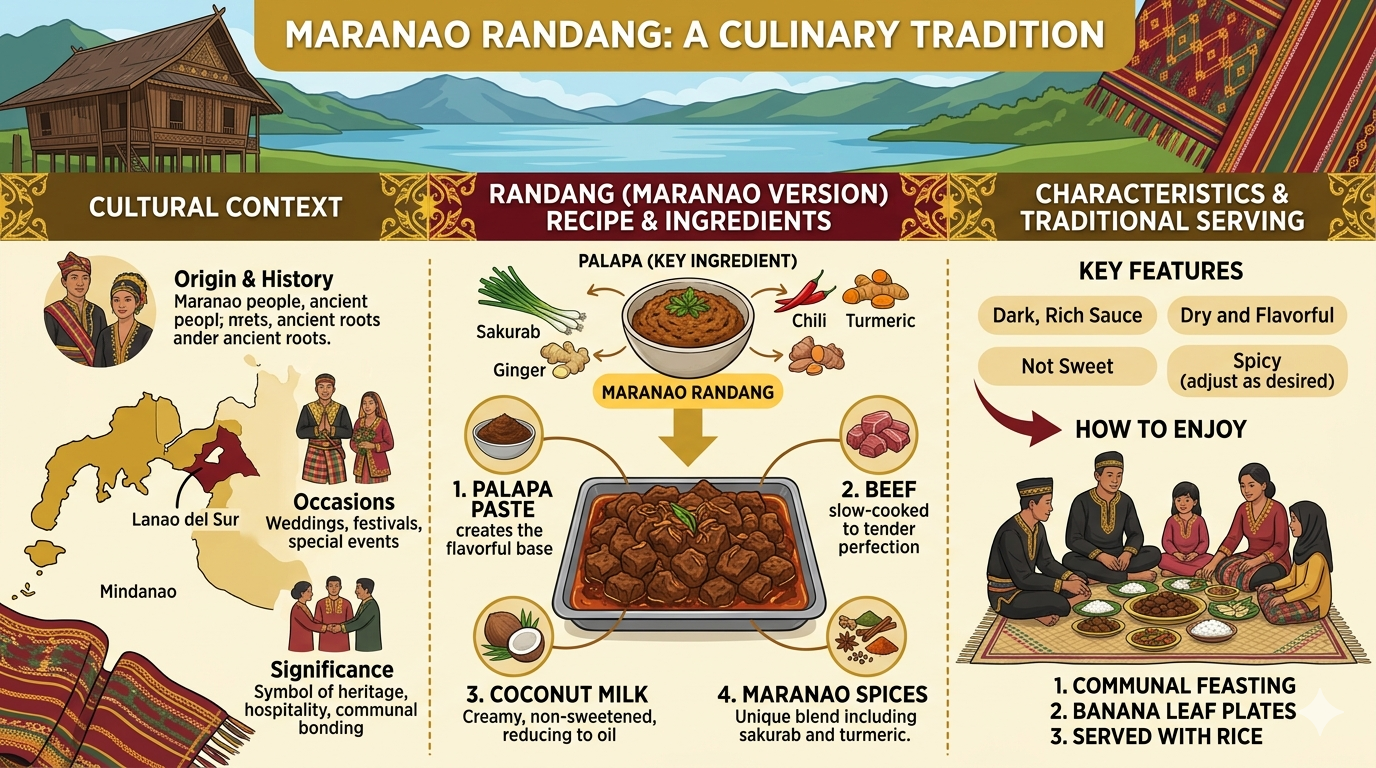
Infographic depicting key ingredients and cooking process of Maranao Randang.
Disclaimer
This article is for general informational and educational purposes only. It does not constitute professional medical, nutrition, or dietary advice. References to dishes, ingredients, or preparation methods do not imply endorsement or guarantee of health outcomes. Readers are encouraged to consult licensed nutritionists, dietitians, or medical professionals for personalized guidance.