Understanding Piaparan Manok: Nutritional and Culinary Overview
A neutral guide to the traditional Filipino dish Piaparan Manok, its ingredients, and dietary considerations.
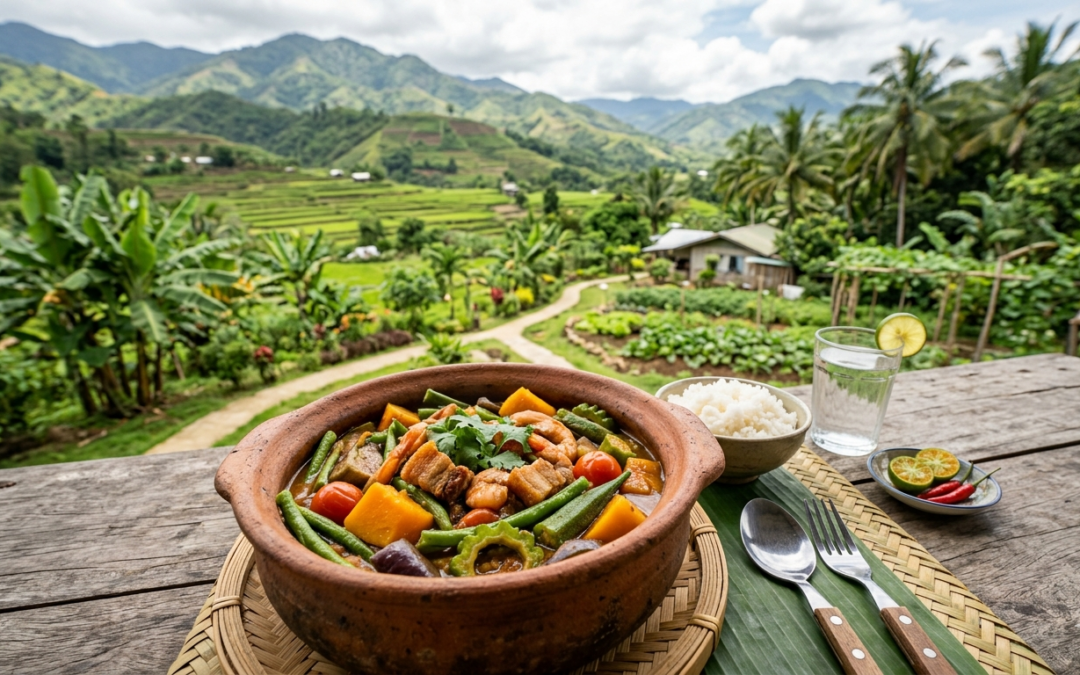
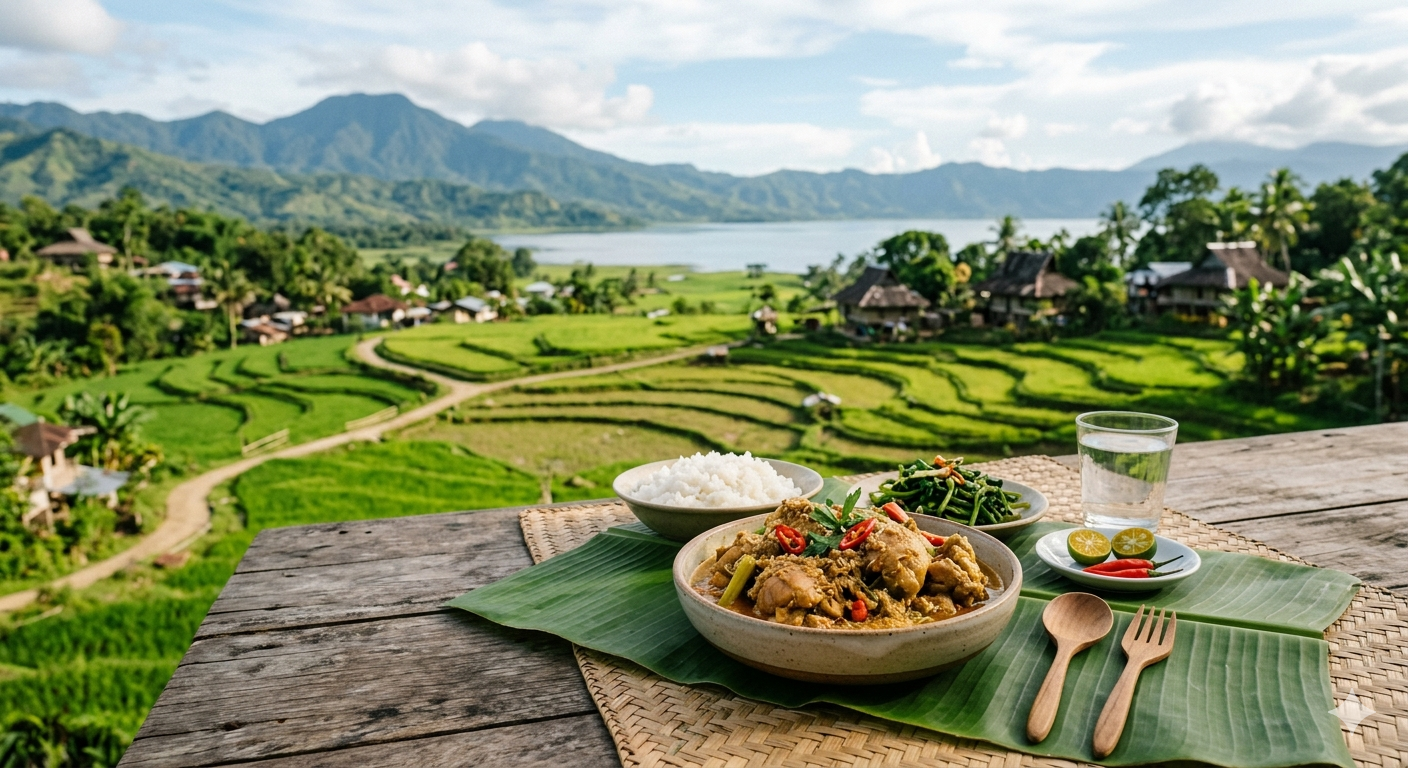
Piaparan Manok is a traditional Filipino dish from the Maranao people of Mindanao, commonly prepared with chicken, coconut, and local spices. This article provides a neutral overview of its key ingredients, macronutrient content, and hypothetical meal planning considerations. Information aligns with guidance from the Department of Health (DOH) and the Food and Drug Administration (FDA Philippines) regarding safe food preparation, ingredient labeling, and nutrition awareness.
Core Ingredients and Nutritional Components
- Chicken – provides protein and essential amino acids. Skinless chicken is lower in fat, while dark meat has higher fat content.
- Coconut milk – contains saturated fat and contributes to the energy content of the dish. Coconut also provides small amounts of minerals like manganese.
- Piaparan spice mix (palapa) – includes ingredients such as ginger, turmeric, chili, and shallots. These contribute flavor, antioxidants, and micronutrients.
- Vegetables (optional additions) – some variations include eggplant, squash, or green beans, which add dietary fiber, vitamins, and minerals.
Macronutrient Considerations
Piaparan Manok is primarily a source of:
- Protein – from the chicken.
- Fat – primarily from coconut milk.
- Carbohydrates – minimal unless served with rice or other staples.
- Fiber and micronutrients – dependent on added vegetables and spices.
Hypothetical Meal Planning Context
In neutral dietary planning, Piaparan Manok can be incorporated as part of a mixed meal with:
- Steamed or boiled vegetables for additional fiber.
- A measured portion of rice or other carbohydrate source for balanced energy intake.
- Hydration with water or non-sweetened beverages.
Safe Preparation Notes
- Cook chicken to an internal temperature of 74°C (165°F) to reduce microbial risk.
- Store coconut milk and leftovers in refrigeration to prevent spoilage.
- Check ingredient labels for additives or preservatives if using packaged coconut milk or spice mixes.
Context
In nutrition science studies, dishes like Piaparan Manok provide insight into balancing protein, fat, and micronutrients in traditional diets. Under Philippine consumer protection and labeling standards, food preparers and consumers should verify ingredient sources, maintain proper storage, and ensure cooking practices minimize microbial risks. Nutrient content will vary depending on ingredient amounts, preparation methods, and portion sizes. For personalized nutrition advice, consultation with licensed nutritionists or dietitians is recommended.
FAQs
What is Piaparan Manok?
Piaparan Manok is a traditional Maranao chicken dish cooked with coconut milk and a spice mixture called palapa.
What nutrients are in Piaparan Manok?
It contains protein from chicken, saturated fat from coconut milk, and micronutrients from spices and optional vegetables.
How can it fit into a meal plan?
It can be part of a balanced meal alongside vegetables and a carbohydrate source, with portion control for overall energy intake.
Trusted Sources
- Department of Health Philippines – Food Safety and Nutrition Guidelines
- Food and Drug Administration Philippines – Safe Food Handling and Labeling
- University of the Philippines Manila, College of Public Health – Nutrition Science References
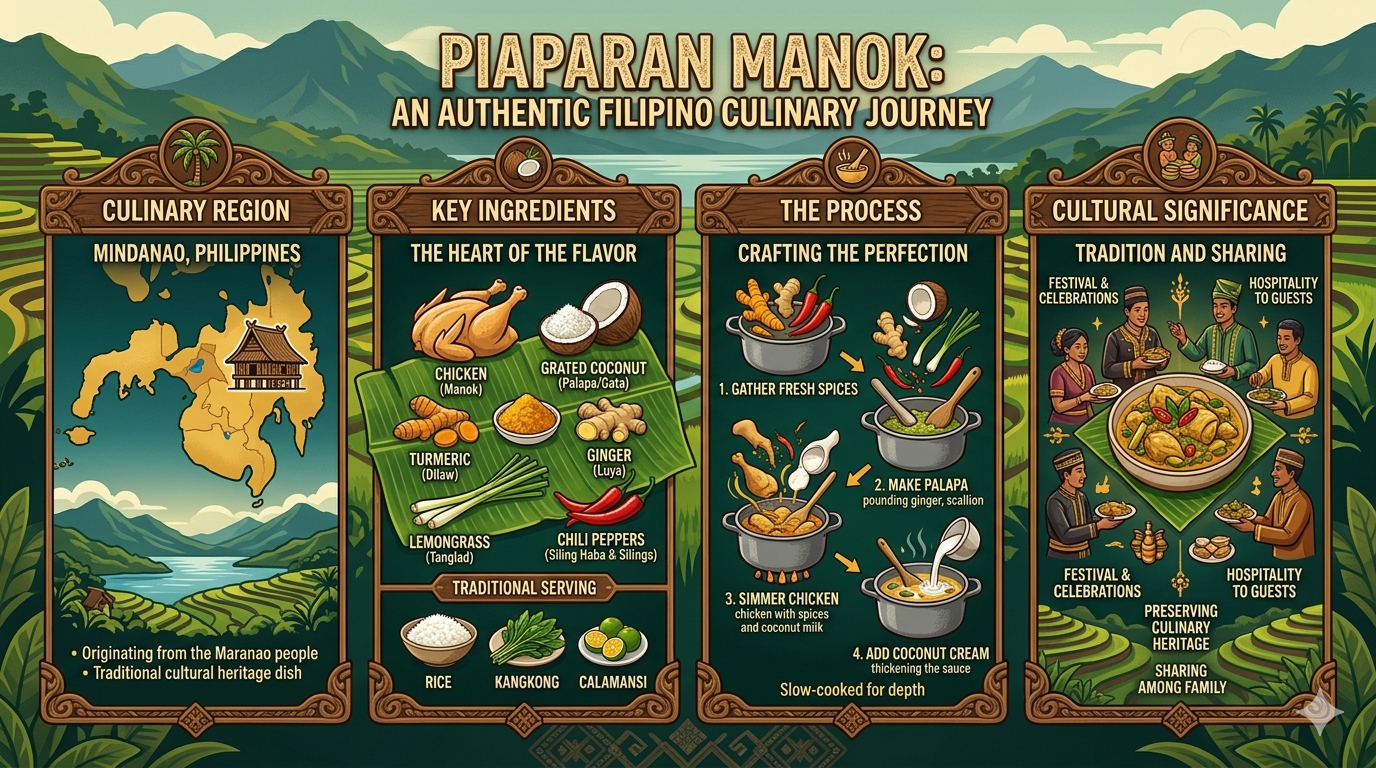
Visual summary of Piaparan Manok ingredients and preparation steps
Disclaimer
This article is for general informational and educational purposes only. It does not constitute professional medical, nutrition, or dietary advice. References to foods or ingredients do not imply endorsement or guarantee of health outcomes. Readers are encouraged to consult licensed nutritionists, dietitians, or medical professionals for personalized guidance.