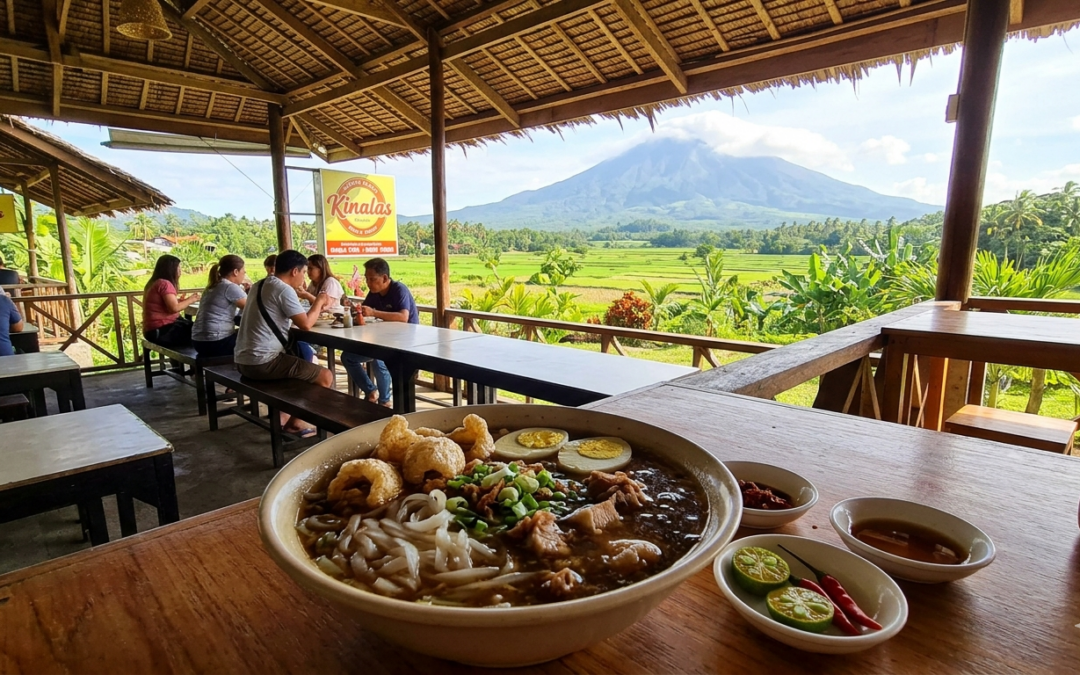
Understanding Dudol: A Traditional Filipino Sweet Delicacy
A neutral overview of ingredients, nutrition, and cultural context.
Dudol is a traditional Filipino sweet delicacy commonly made from glutinous rice flour, coconut milk, and sugar. It is often prepared during local festivals, family gatherings, and special occasions. This article provides an informational overview of dudol, including its basic ingredients, nutritional considerations, and safe consumption practices, aligned with general food safety standards under the Department of Health (DOH) and Food and Drug Administration (FDA Philippines).
Ingredients and Preparation
Dudol typically contains the following ingredients:
- Glutinous rice flour – provides carbohydrates as a primary energy source.
- Coconut milk – adds fat and flavor, containing medium-chain triglycerides.
- Sugar – provides simple carbohydrates and sweetness.
- Optional flavorings – such as pandan leaves, chocolate, or nuts, which can add minor amounts of micronutrients.
Preparation usually involves cooking the mixture over low heat while stirring continuously until it reaches a sticky, gelatinous texture. It is then cooled and cut into small portions.
Nutritional Considerations
From a nutrition perspective, dudol is primarily an energy-dense carbohydrate source. A typical serving provides calories from sugar and glutinous rice, along with fats from coconut milk. It contains minimal protein and micronutrients unless fortified or enhanced with additional ingredients such as nuts.
Safe consumption considerations include:
- Portion awareness, as dudol is high in sugar and fat.
- Food handling hygiene, ensuring it is cooked thoroughly and stored in a clean environment to prevent microbial contamination.
- Reading ingredient labels if commercially packaged dudol is purchased, especially for added preservatives or artificial flavorings.
Hypothetical Portion Example
A small piece (approximately 50 grams) of dudol may provide:
- Carbohydrates: ~25–30 g
- Fat: ~4–6 g
- Protein: ~1 g
- Sugars: ~10–15 g
This example is for illustrative purposes only and may vary depending on recipe and serving size.
Context
In nutrition science studies, foods like dudol are considered occasional treats rather than staple items due to their high sugar content. Under consumer protection and labeling standards, packaged dudol should clearly display ingredient lists, allergen warnings, and expiration dates to comply with FDA and DTI regulations. Diet planning typically involves balancing energy-dense treats with nutrient-dense foods such as fruits, vegetables, lean proteins, and whole grains.
Dietary outcomes vary individually, and dudol consumption should be incorporated mindfully within an overall balanced diet. Licensed nutritionists or dietitians can provide guidance tailored to personal nutritional needs.
FAQs
What is dudol?
Dudol is a sticky, sweet Filipino delicacy made primarily from glutinous rice flour, coconut milk, and sugar. It is often consumed during special occasions and festivals.
Is dudol nutritious?
Dudol provides energy mainly from carbohydrates and fat. It contains minimal protein and micronutrients, so it is considered an occasional treat rather than a daily staple.
How should dudol be stored?
Homemade dudol should be kept in a clean, airtight container and consumed within a few days to prevent spoilage. Commercially packaged dudol should follow the storage instructions indicated on the label.
Trusted Sources
- Department of Health Philippines. Food Safety Guidelines.DOH
- Food and Drug Administration Philippines. Food Labeling Regulations. FDA Philippines
- Food Science and Nutrition Journals, peer-reviewed studies on carbohydrate-rich traditional foods
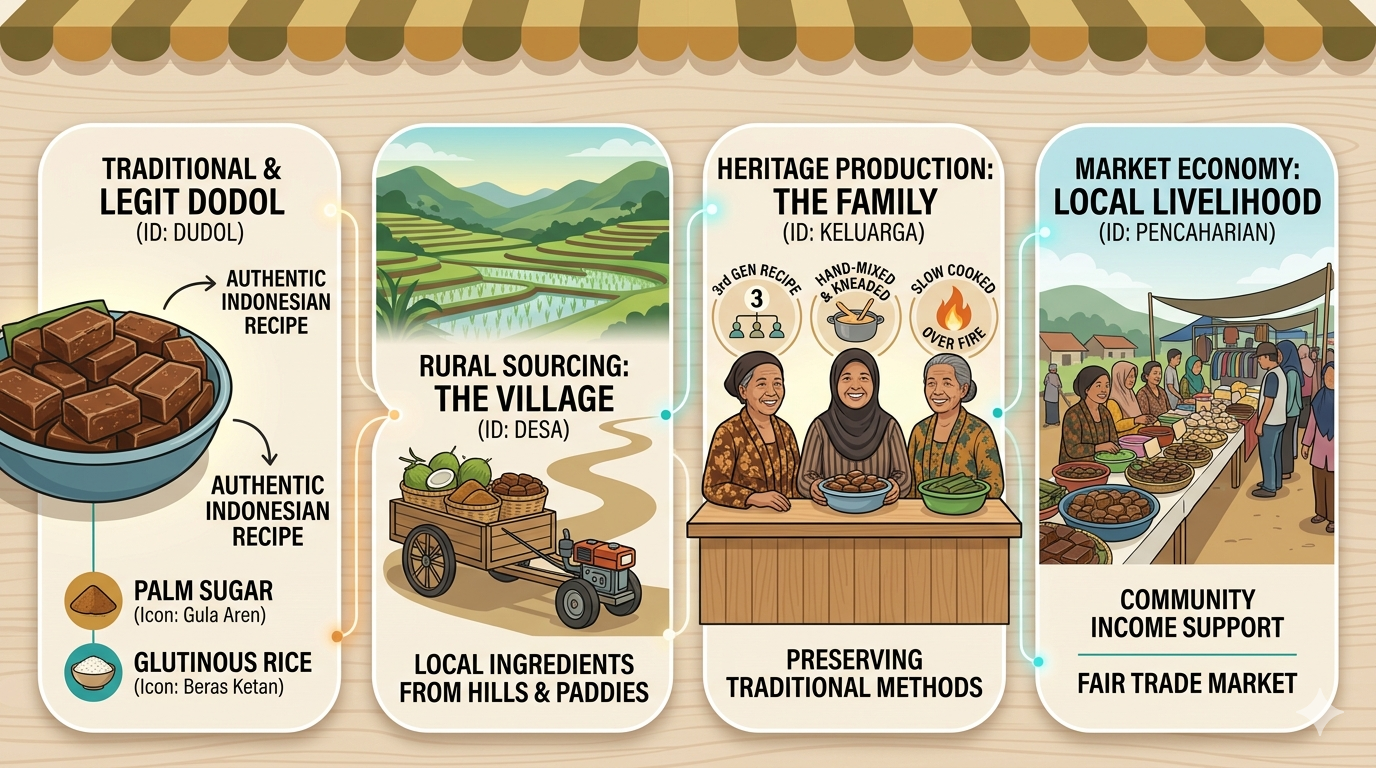
Infographic illustrating dudol ingredients and traditional preparation steps.
Disclaimer
This article is for general informational and educational purposes only. It does not constitute professional medical, nutrition, or dietary advice. References to foods do not imply endorsement or guarantee of health outcomes. Readers are encouraged to consult licensed nutritionists, dietitians, or medical professionals for personalized guidance.